
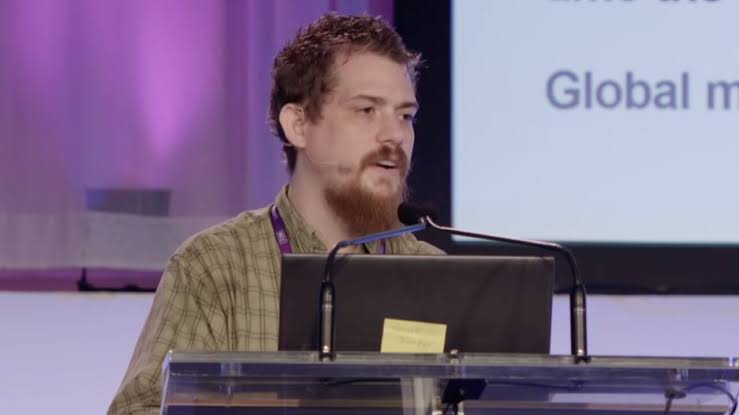
Bitcoin developer Luke Dashjr’s BIP-110 soft fork proposal failed quickly after attracting only about 2.6% miner support, well below its 55% threshold. The forked chain mined just two blocks before coming to a halt, while Bitcoin’s main chain kept running as usual.
After the proposal collapsed, Dashjr was also removed from his role as an editor of Bitcoin Improvement Proposals, or BIPs. The dispute around Bitcoin governance and the use of block space has now widened.
BIP-110 targeted non-financial data on Bitcoin
The central goal of BIP-110 was to create a new forked chain that would limit the use of the Bitcoin network for storing images, text and other non-financial data. The proposal was aimed mainly at inscription transactions that surged after the rise of the Ordinals protocol.
Once the proposal entered its signaling period, when miners and node operators could show support, momentum faded almost immediately. Supporting miners accounted for only about 2.6%, far below the 55% threshold set by the plan, and the fork never gained enough backing to move forward.
The result was a forked chain that produced only two blocks before stopping, with no disruption to Bitcoin’s main chain.
Removal battle shifted attention to the BIP process
Following the failure of BIP-110, Dashjr was stripped of his BIP editor role. He was accused of misusing editorial authority during the push for the proposal, including assigning a BIP number before the proposal had been fully discussed and merging updates into the code repository without following normal procedure.
Bitcoin developer Mark Erhardt, in a motion calling for Dashjr’s removal, said: 「Since joining the editorial team in April 2024, Luke Dashjr has hardly participated in the day-to-day maintenance work of BIP editing: during this period, his editorial comments accounted for less than 1% of the total, and this proposal merge was his first merge operation since May 2024.」
Dashjr rejects the allegations and steps back from Ocean posts
Facing heavy criticism, Dashjr said on X that removing him from the editor role was an 「abuse of power」. When the removal motion was first raised, he had already pushed back strongly and said the accusations were entirely false.
He also announced that he would temporarily step down as chairman and chief technology officer of Bitcoin mining pool Ocean, shifting his focus to Bitcoin and open-source projects.
Block space use remains the core fault line
The conflict around BIP-110 stems from a long-running argument over how Bitcoin block space should be used. Since the Ordinals protocol went live in 2023, images, text and other forms of data have been written into Bitcoin blocks in large quantities, leading to applications such as inscriptions and BRC-20.
Supporters of BIP-110 argue that this non-financial data consumes limited block space, pushes up transaction costs and moves Bitcoin away from its core functions as peer-to-peer electronic cash and a store of value. Opponents argue that as long as transactions follow consensus rules and pay fees, nodes and miners should not censor them based on whether the content is considered useful.
BIP-110 attempted to restrict those transactions through a new fork, but the level of miner support fell far short of what was needed. With Dashjr now removed from the editor role, the debate has expanded from whether Bitcoin should restrict inscriptions to questions about due process in open-source governance and how much power developers should hold in the BIP pipeline.