
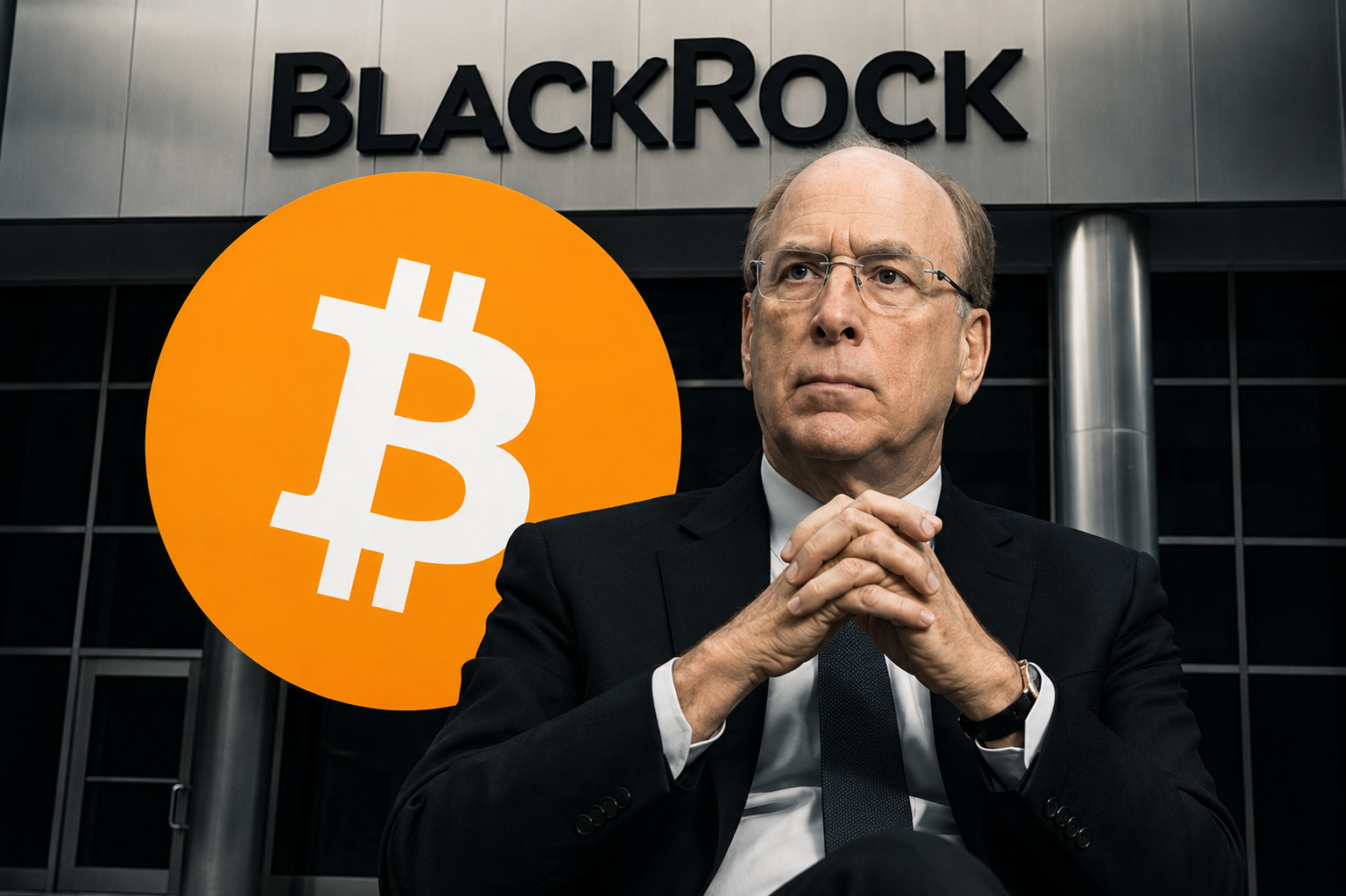
BlackRock’s new iShares Bitcoin Premium Income ETF, trading under the ticker BITA, has become a point of debate across the crypto industry. Crypto commentator MartiniGuyYT posted that veteran ETF analyst Eric Balchunas had revealed the upcoming Bitcoin income ETF from BlackRock, citing Balchunas as saying the fund aims to generate a 15% to 25% annual yield while seeking to capture at least 70% of Bitcoin’s upside. The original piece was written by Boaz Sobrado and translated by Luffy for Foresight News, appearing in TechFlow’s selected coverage.
The product went live on Nasdaq in mid-June. Bitcoin itself does not generate native yield, yet BITA is designed to distribute cash income to investors through a financial structure built around BlackRock’s spot Bitcoin fund, IBIT. The mechanism is based on selling covered call options to earn option premiums. The trade-off is clear: investors receive premium income, but give up part of the upside when Bitcoin rises sharply in a one-way move. Robert Mitchnick, BlackRock’s global head of digital assets, told CoinDesk that the income-oriented Bitcoin fund is a natural next step in the industry’s evolution. He described it as a product built for investors and institutions seeking stable cash flow, and as an answer to the difficulty some institutions face when holding a zero-yield asset. Mitchnick also said the fund performs better when Bitcoin trades sideways or declines, while it would lag spot Bitcoin if the asset posts a major rally.
Bullish voices see new demand from yield-seeking capital
Supporters argue that BITA can expand the pool of Bitcoin demand. Trading blogger TimWarrenTrades said BlackRock is directly targeting Strategy, and that the ETF would essentially convert high-yield wealth management capital into incremental Bitcoin demand. He also noted that previous Bitcoin-related ETFs issued by BlackRock had been followed by rising market action. Flows into IBIT have been cited as evidence for that view: according to @thepfund, IBIT recorded a single-day net inflow of 906 BTC this week, worth $57.67 million. CoinEdition also stated that Fidelity had accumulated 37,700 BTC during the same period, indicating that institutional allocation activity remains active.
Longtime Bitcoin investor Michael Terpin connected the timing of the launch with the four-year Bitcoin halving cycle during an appearance on the podcast On The Margin. Terpin said he had observed the pattern for ten years and that the four-year cycle had never failed, even though in every bear market most analysts declare that the cycle logic has stopped working. In his view, broad pessimism is a bottoming signal. He argued that those who have lived through full bull and bear cycles understand that the current period is a time for positioning, and that the cycle has an underlying logic supporting it.
Terpin also pointed to adoption figures as part of his longer-term demand argument. He said only about 4% of the global population holds Bitcoin, while the share of people holding any type of crypto asset is only 8%. According to his framing, the industry is at a key point in crossing the chasm, with early adopters sitting right at the 4% threshold. Several institutional price targets also lean optimistic in the source article: JPMorgan forecasts a cycle high of $170,000 for Bitcoin, VanEck sees $180,000, and Standard Chartered has identified the area near $59,000 as the cycle bottom while saying the crypto winter has ended.
Critics warn of capped upside and ETF concentration
The opposing camp describes BITA as a yield trap wrapped in a high-income structure. Paolo Ardoino, the chief technology officer of Bitfinex and Tether, warned against heavy inflows into ETFs. In an interview, he said he did not believe ETFs are necessarily good for the crypto ecosystem and asked what the industry would become if 99.99% of Bitcoin ended up concentrated in various ETFs. The point is especially ironic because custody is part of the revenue base of the companies he is associated with. Ardoino acknowledged that many users treat them like banks every day and that custody can be profitable, but he said he would prefer users to self-custody their private keys and truly hold Bitcoin themselves.
Some traders raised a more specific objection: they argue that the income product does not create new Bitcoin capital, but instead diverts money that would otherwise have gone directly into spot Bitcoin. A popular video from the information channel Glimpse Market framed the contradiction bluntly. Bitcoin does not generate cash flow out of nothing; the fund’s income is manufactured through options. In that structure, investors’ upside is capped, while their downside exposure remains open. For critics, that is why the product is a trap rather than a simple income opportunity. Bottom expectations are also sharply divided. Galaxy Research has placed the possible cycle bottom in the $40,000 to $46,000 range, in direct contrast to Standard Chartered’s view that the bear market has ended around the $59,000 area.
Flows into BITA and IBIT will test both narratives
On the question of how Bitcoin’s market structure could be affected, Terpin distinguished between two types of capital. ETF money, in his view, is not the same as long-term capital that stays put. It differs from corporate treasury capital such as MicroStrategy’s debt-funded Bitcoin accumulation strategy, where coins are held for the long term. At the same time, Terpin emphasized Bitcoin’s supply scarcity. He said the network mined its 20 millionth BTC a few weeks ago, leaving only 1 million BTC still to be mined, and that full issuance will take more than a century. His long-term price target is far above the figures cited from large institutions: he believes that as adoption enters an explosive phase on the S-curve, supply shortage will drive a major reversal, and the scarcity effect will push Bitcoin into a super bull market with a price target reaching $1 million.
Fees and timing are also part of the discussion. BITA charges a management fee of only 0.65%, below comparable covered call income funds in the market. A YouTube industry analyst who reviewed the filing documents said BlackRock is accelerating its move to capture the market before Goldman launches a similar competing product in July. The final answer will come from fund flows. If BITA and IBIT continue to absorb Bitcoin while BTC holds the $65,000 range, that would show that institutional real buying has durability. If the income ETF merely redirects existing capital from spot funds, then the bearish “yield trap” argument would be validated. Twitter user @frugalbc summarized the shift by saying that Bitcoin in the $60,000 range is no longer the same situation as before: in 2021, $67,000 marked the all-time top, while today that level is closer to the bottom of the current cycle, a point the bears continue to overlook.