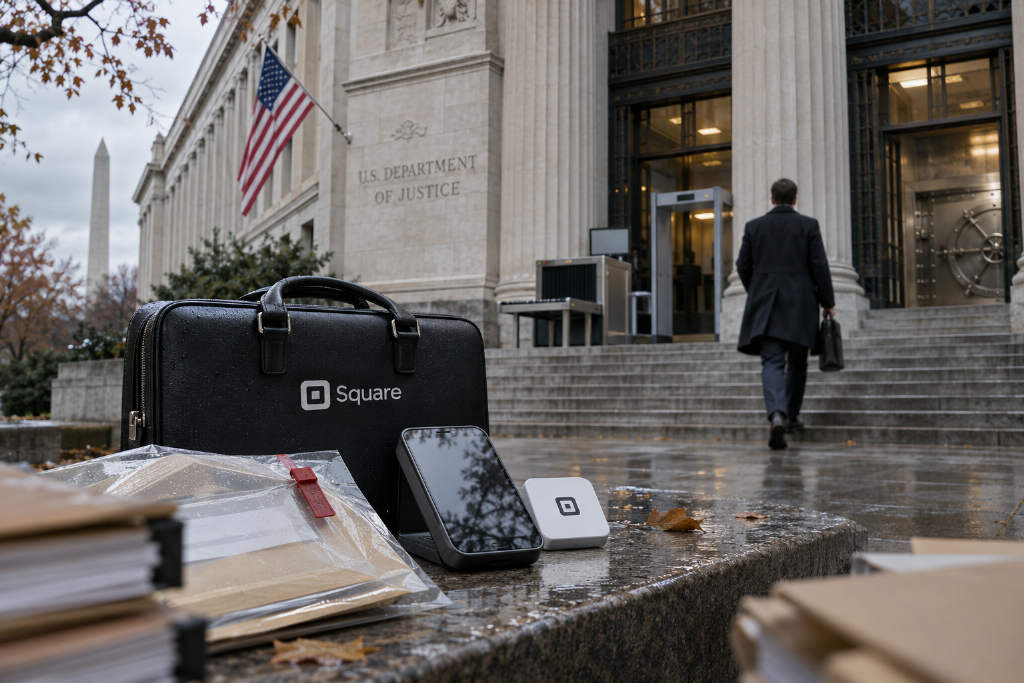
Block, the payments company founded by Jack Dorsey, said in a regulatory filing submitted Tuesday that it reached an agreement in principle with the U.S. Department of Justice in October over an investigation into its anti-money laundering compliance, according to Bloomberg. Under the proposed deferred prosecution agreement, the Justice Department would defer prosecution for three years over allegations that Block failed to maintain an effective anti-money laundering program and violated the Bank Secrecy Act. The agreement still requires court approval. Block said the total amount is expected to be about $964 million, with a net payment of about $764 million. The company had previously recorded a $526 million reserve at the end of June and increased that reserve to $764 million by the end of September.
Block, the payments company founded by Jack Dorsey, disclosed in a regulatory filing submitted Tuesday that it reached an agreement in principle with the U.S. Department of Justice in October over an investigation into its anti-money laundering compliance, according to Bloomberg.
Under the proposed deferred prosecution agreement, the Justice Department would defer prosecution for three years over allegations that Block failed to maintain an effective anti-money laundering program and violated the Bank Secrecy Act. The agreement still needs court approval. The total amount is expected to be about $964 million, with a net payment of about $764 million.
Block had previously recorded a $526 million reserve at the end of June and raised that reserve to $764 million by the end of September.
This article was originally published by Bit.Fan. For more cryptocurrency news and market insights, visit www.bit.fan. Disclaimer:
The market information, project data, and third-party content displayed on this platform are for industry information sharing only and do not constitute any form of investment advice or return commitment.
Cryptocurrency trading carries high risks. Users should fully assess their risk tolerance and make independent decisions. All profits, losses, and legal responsibilities are borne by the users themselves.