
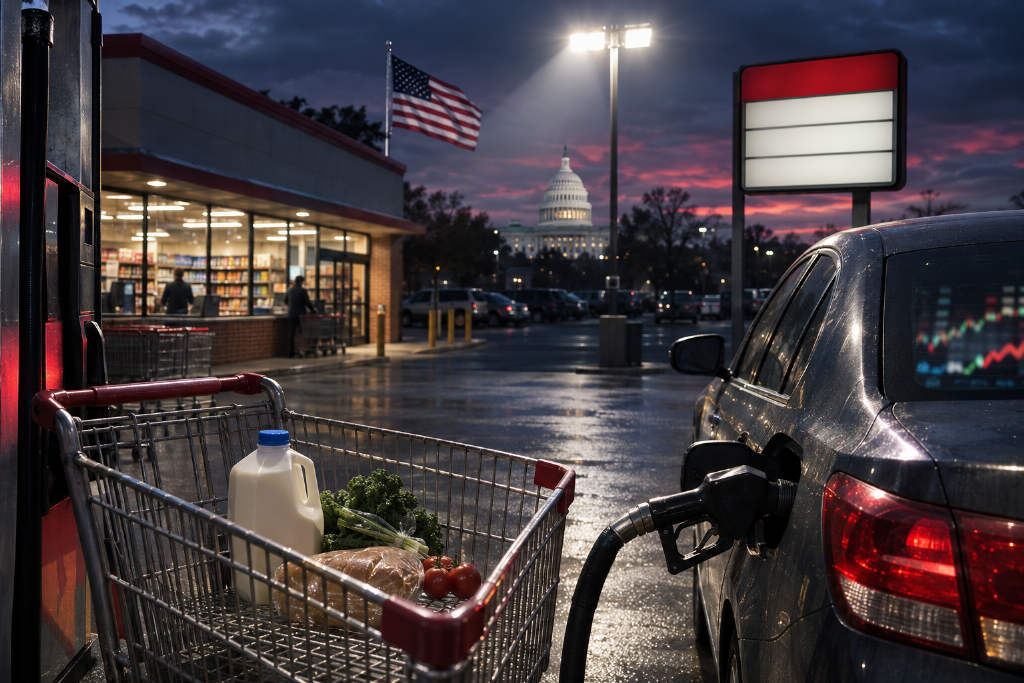
Blockcast published a "Madman Trend" column arguing that U.S. voters ultimately vote with their feet. The article says that although Trump used a number of methods during the process, he still could not stop Democrats from winning both chambers, and it identifies rapid inflation and a swift decline in living standards as the core reason.
Inflation framed as the key driver behind the election outcome
The piece says that in the past, many Americans rarely checked prices when shopping. They picked what they liked, and when driving they would often floor the accelerator from a standstill, because their income meant those day-to-day costs did not matter much.
That, the author writes, changed after the Iran conflict. Oil prices rose by nearly 100%, vegetable prices also jumped, and anything tied to transportation became more expensive. Because the U.S. is described as a country built around cars, the article argues that higher fuel prices are not much different from higher food prices in terms of pressure on household budgets. The author adds a line in a joking tone: "Now the fuel cars drink is more expensive than the milk we drink."
The article says household pressure in the U.S. has become more visible
According to the column, daily life in the U.S. now feels tighter for many people. Discounted items in supermarkets are quickly snapped up, and drivers are noticeably less aggressive when accelerating from a stop. In California, the article says, homes are being listed for sale everywhere as some residents move to states with lower costs.
The author writes that a lifestyle once seen as part of American pride has been fading bit by bit. Many people may not want to give up a more lavish way of living, but in the end they are being forced to adjust.
The piece contrasts wealthy households with ordinary workers
The article says richer people are doing better, collecting high interest income while large pools of capital earn returns in the U.S. stock market. Those gains, in the author’s view, ultimately come from the labor of people at the bottom of the income ladder.
On that basis, the column says some states that once backed the ruling party turned into opposition states. The explanation offered is simple: when living standards fall, people blame the party in power.
Author says assets will keep rising and money issuance will continue
The article closes by saying that, from a rational standpoint, nobody in the current environment has come up with a way to keep the U.S. economy running other than continuing inflation. So regardless of which party is in office, the result does not change; only the process does.
From that premise, the author concludes that once the midterm election picture is settled, assets will keep rising and money will keep being issued.
The original article states that the views are solely those of the author, do not represent Blockcast’s position, are for reference only, and do not constitute investment advice. Investors are responsible for their own decisions and trades, and neither the author nor Blockcast accepts liability for direct or indirect losses arising from them.



