
Taiwan prosecutors have indicted 17 people in a major fraud case linked to BNT vaccine procurement during the 2021 COVID-19 crisis, after investigators said the Tzu Chi Foundation was deceived into paying more than NT$1.06 billion in entrusted compensation.

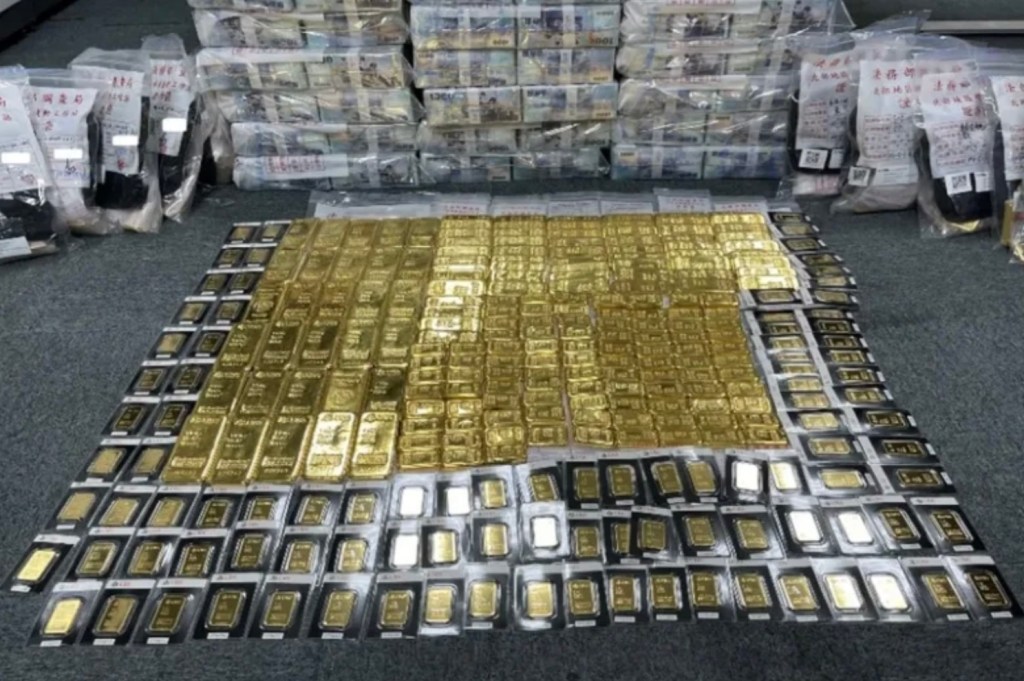
According to the case, former Changhua Bar Association chairman Chen Yu-hsuan allegedly worked with Li Yi-ru, who was accused of posing as a vaccine broker, and claimed they had channels in China that could help TSMC and Hon Hai procure BNT vaccines. The Taichung District Prosecutors Office has charged the defendants with fraud, money laundering, and tax evasion. Authorities also seized cash, gold, and related assets worth more than NT$1 billion. The broader investigation is still ongoing.
$30 million consulting fee at the center of the case
An investigation by the Northern Mobile Team of the Investigation Bureau said Chen and Li took advantage of Taiwan’s vaccine shortage in 2021. They allegedly claimed they had access to procurement channels through Shanghai Fosun and used a shell company called Yuda, along with false claims that they could assist TSMC and Hon Hai with vaccine purchases, to induce the Tzu Chi Foundation to pay a $30 million consulting fee, or about NT$1.06 billion.
Investigators said Chen later moved part of the money into personal accounts, bought 232 kilograms of gold bullion to break the money trail, and was also suspected of tax evasion. After searching her luxury residence, authorities seized a large amount of cash and gold and then sought asset preservation through a court process. The case has now been formally prosecuted by the Taichung District Prosecutors Office.
Why Tzu Chi did not report the case earlier
One point that has drawn public attention is why Tzu Chi did not proactively report the suspected fraud for years. News reports and related accounts said the foundation had not realized it had been deceived. It was only after investigators traced suspicious fund flows from companies under Chen’s name and then checked the nature of the transactions with Tzu Chi that the foundation recognized it had been defrauded.
In a statement, Tzu Chi said it had commissioned the procurement at the time under a principle of prudent use of donations. The foundation said it will fully cooperate with the judicial investigation and has already appointed lawyers to handle the matter. It also said that if personnel from the entrusted company are found guilty by a final judgment, it will seek the return of relevant criminal proceeds in accordance with the law to protect donor interests.
Chen Shih-chung says Tzu Chi was a victim
After the case became public, Chen Shih-chung, who served as head of Taiwan’s Central Epidemic Command Center during the pandemic, said he had repeatedly warned the public about vaccine scams at the time. He said those clarifications were distorted and smeared by political figures, and that the facts are now clear. He added that those who made false accusations should answer to society and said again that Tzu Chi was a victim in the case, while the people who should be condemned are the fraud suspects.
Scholar questions Tzu Chi’s higher vaccine budget
The case has also triggered debate over how the large commission payment was reflected in financial statements and over the gap in procurement budgets. Shen Jung-chin, an associate professor at York University in Canada, wrote on social media that Chen, who had served as chairman of the Changhua Bar Association, as a director of the National Bar Association, and as a legal adviser to county and city governments, allegedly joined Li in falsely claiming they could help procure 5 million doses of BNT vaccine during the height of the pandemic and fraudulently collected about NT$1.06 billion in service commissions.
Shen said what puzzled him was that the money was not the vaccine purchase payment itself, raising the question of how Tzu Chi was persuaded to pay it. On procurement costs, Tzu Chi said in a public explanation that vaccine quotations in Taiwan at the time were generally above $42 per dose. In order to save time and ensure delivery in step with TSMC and Hon Hai, it accepted a total quoted price of $205 million from Yuda. That quoted price, however, did not include the separate $30 million service fee that was said to be necessary to secure the vaccines.
After comparing public disclosures, Shen questioned why Tzu Chi’s budget was higher than those of TSMC and Hon Hai. Because both companies are listed, he said, they were required to disclose procurement amounts, and the data showed each company’s budget for 5 million doses did not exceed $175 million. With the same purchase volume, he asked why Tzu Chi’s procurement budget was higher and why it still had to pay an additional service fee to Chen and Li. He also questioned how Tzu Chi’s financial statements were prepared in connection with the transaction.