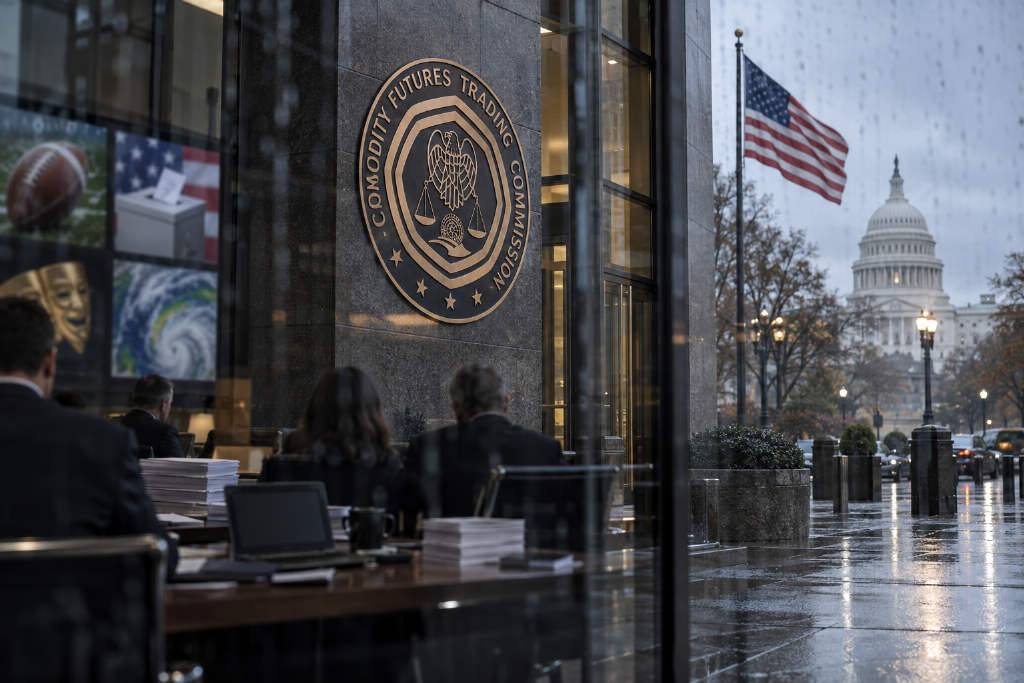
The U.S. Commodity Futures Trading Commission has issued a notice of proposed rulemaking that would clarify event contracts tied to sports, politics, culture and weather fall within the definition of swaps. The proposal says such contracts are generally viewed as swap instruments and is intended to address ambiguity around how they are defined. CFTC Chairman Michael S. Selig said Americans use event contracts to hedge risk, speculate and provide the public with information about the outcomes of future events. He said these products are commodity derivatives and clearly sit within the agency’s authority under the Commodity Exchange Act. The public will be able to submit written comments through Regulations.gov within 30 days after the notice is published. The update was cited from a CFTC press release.
The U.S. Commodity Futures Trading Commission has issued a notice of proposed rulemaking that would clarify that event contracts tied to sports, politics, culture and weather are included in the definition of swaps.
The proposal says these contracts are generally considered swap instruments. The move is meant to address ambiguity around how such contracts are defined.
CFTC Chairman Michael S. Selig said Americans use event contracts to hedge risk, speculate and provide the public with information about the outcomes of future events. He said the products are commodity derivatives and clearly fall within the CFTC’s regulatory authority under the Commodity Exchange Act.
Written comments can be submitted through Regulations.gov within 30 days after the notice is published.
This article was originally published by Bit.Fan. For more cryptocurrency news and market insights, visit www.bit.fan. Disclaimer:
The market information, project data, and third-party content displayed on this platform are for industry information sharing only and do not constitute any form of investment advice or return commitment.
Cryptocurrency trading carries high risks. Users should fully assess their risk tolerance and make independent decisions. All profits, losses, and legal responsibilities are borne by the users themselves.