
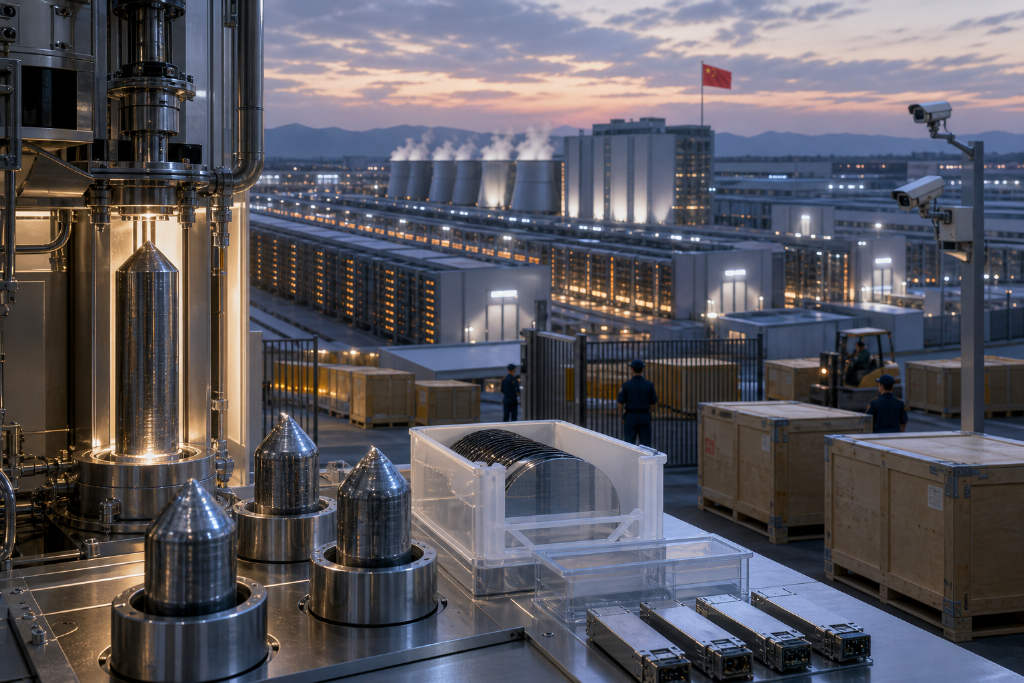
Indium phosphide has become one of the most strained materials in the optical supply chain as AI data center spending drives demand for high-speed optical modules and co-packaged optics, or CPO. Those products rely on optical chips, and more than half of those chips are made with indium phosphide, according to the article. The result is a supply crunch that has spread from modules to the far upstream end of the chain.
Earlier this month, Lumentum CEO said at an industry summit that the shortage in indium phosphide is even more severe than the shortage in memory. He was quoted as saying, “I don’t think our capacity and Coherent’s can meet demand from Nvidia and other customers.” The article says the two companies together account for more than 80% of the high-end indium phosphide optical chip market.
Pressure is also showing up downstream. Nokia, described as one of Lumentum’s major customers, bought Infinera’s California indium phosphide wafer fab last year and recently added NXP’s Arizona plant, with plans to convert it into an indium phosphide optical chip production line.
Japanese supplier Sumitomo and U.S.-listed AXT have become targets of complaints from downstream buyers. But AXT has repeatedly said on recent earnings calls that the real cause of the shortage sits further upstream, in raw material access and export restrictions.
China sits across all three steps of the supply chain
The article breaks indium phosphide wafer production into three stages: primary indium smelting, indium purification, and indium phosphide wafer manufacturing. It argues China has leverage in each one.
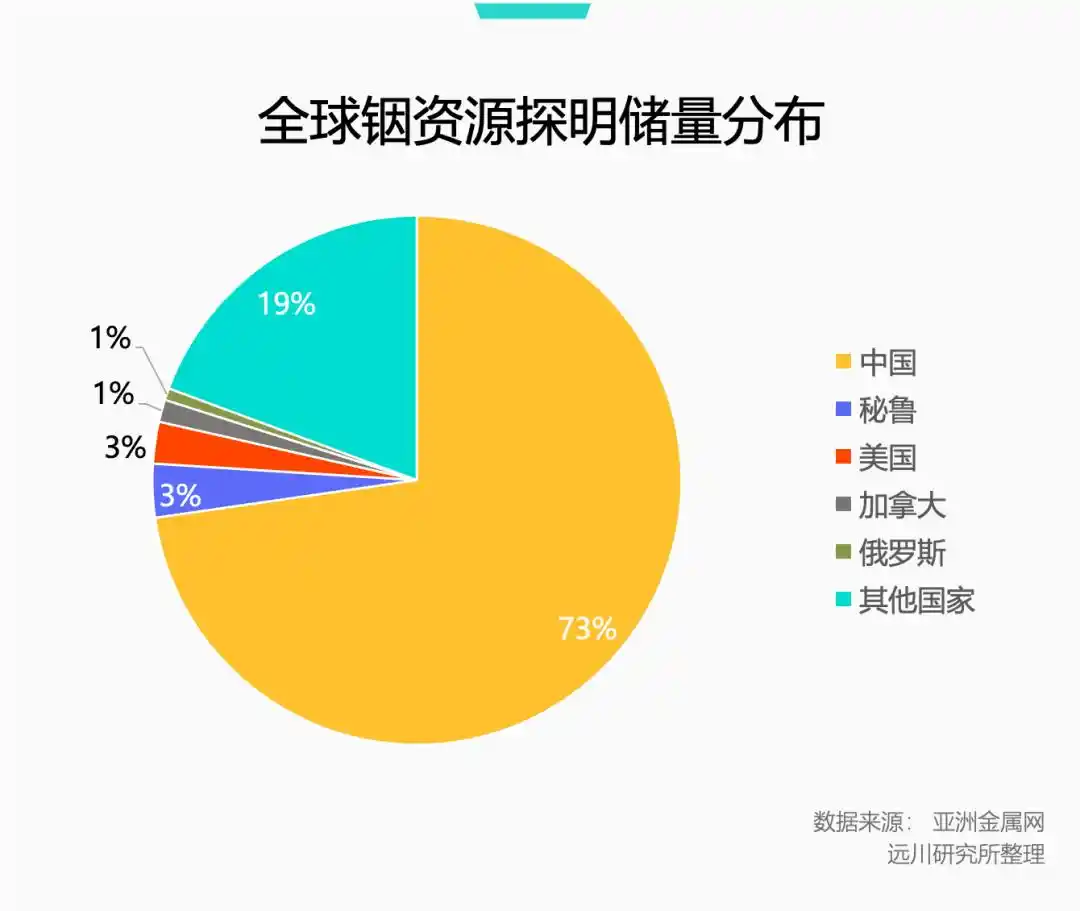
At the raw material level, global indium reserves are put at 50,000 tons, with only half considered extractable. More than 70% of discovered reserves are in China. Indium is not typically mined on its own because it is dispersed in the earth’s crust and no rich ore deposits have been found. Instead, it is mainly produced as a byproduct during zinc and tin smelting, which means output is tied more to zinc and tin supply and demand than to indium prices themselves.
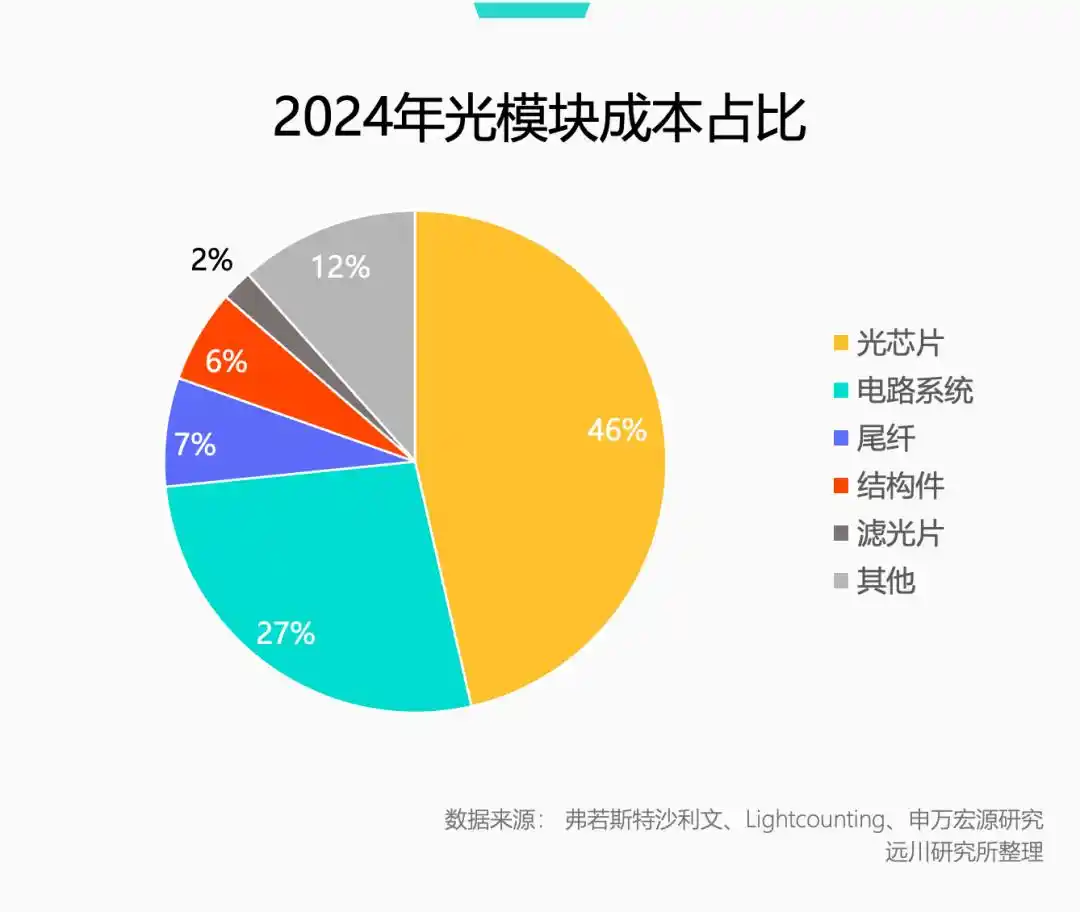
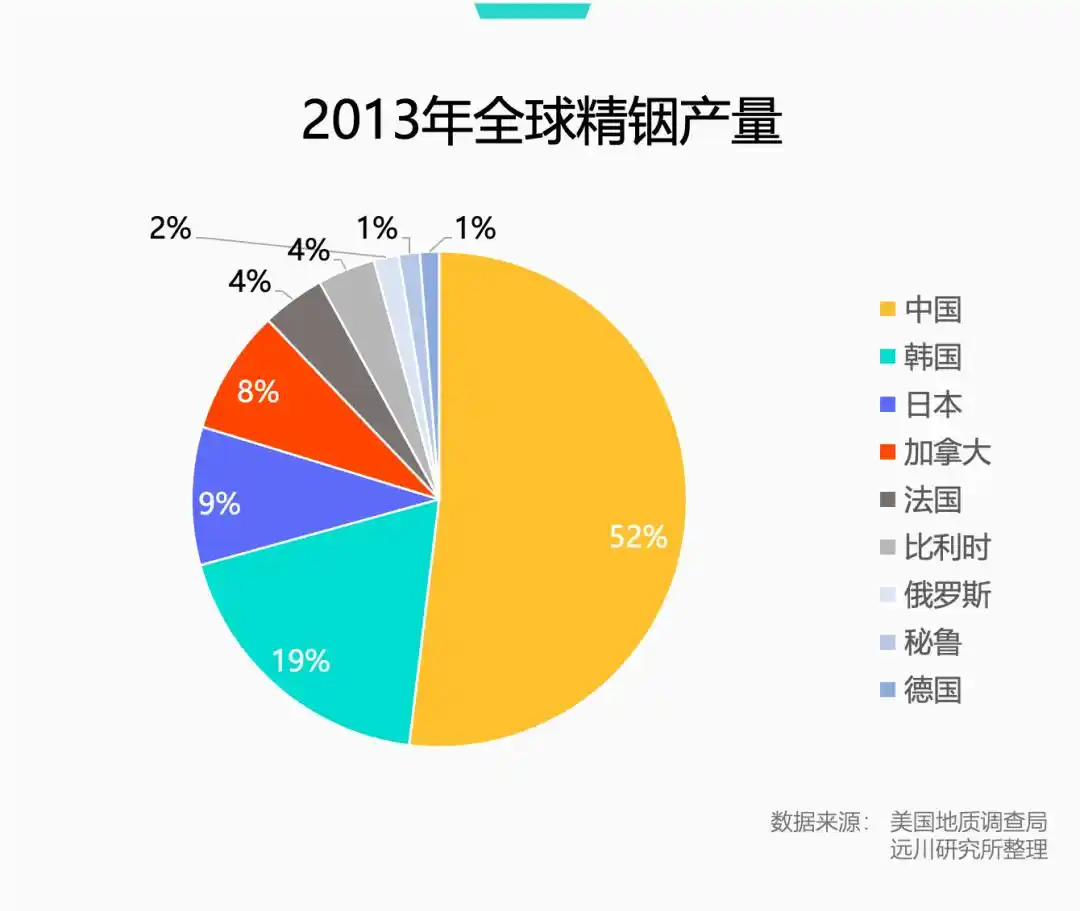
That structure favors China because of its scale in metal smelting. The article says China accounts for more than 50% of global primary indium output. At peak levels, 80% of the world’s annual 400 tons of indium exports came from Yunnan in China.
Refining is the next chokepoint. Primary indium, with purity of 95% to 99%, must be refined into 4N to 5N material and then purified further into 6N high-purity indium before it can be used in indium phosphide optical chips. China accounts for 70% to 80% of refined indium output worldwide, the article says. But 6N and higher material is still dominated by Japanese companies, with Dowa and JX Metals holding most of the market. Even so, the raw indium they use is said to come almost entirely from China.
The wafer stage is more unusual. China is weaker here in absolute terms, but Beijing Tongmei has become a pivotal production base. The company is AXT’s operating entity in China and is described in the article as the world’s second-largest indium phosphide wafer supplier after Sumitomo. AXT moved its indium phosphide wafer lines to China to stay close to primary indium production and reduce shipping costs. Over time, Beijing Tongmei took on AXT’s physical operations, including wafer manufacturing, while the North American parent focused on capital operations. In practical terms, the report says, all indium phosphide wafers produced by AXT are theoretically Chinese-made and must pass through China’s export process even when shipped back to the United States.
Export controls deepened supply uncertainty
The article says China’s export controls have made that structural leverage much more powerful.
In February last year, China added indium phosphide and related products to its export control list. According to the report, Beijing Tongmei was one of the first companies hit. Although the company said it obtained an export license in June, the volume approved was “less than expected,” contributing to fourth-quarter revenue that fell short of expectations.

AXT later said on its second-quarter earnings call that even when demand is strong and internal capacity is available, its ability to ship to customers outside China still depends on Chinese government approval. In a supply chain that is already thin, that kind of uncertainty carries its own cost.
Control measures then moved one step further upstream earlier this year. The article says China capped exportable indium volume at 30% of total output and tightened approval for exports of 6N and higher high-purity indium. That placed direct pressure on the critical feedstock used in indium phosphide production.
Sumitomo and JX Metals were singled out as especially exposed. More than 90% of their high-purity indium feedstock is sourced from China, according to the article. It cites reports saying their annual capacity has fallen from 180,000 wafers to below 100,000 and delivery times have stretched from less than six months to 18 months.
Against that backdrop, Coherent’s push into China looks easier to understand. The article says Coherent CEO Jim Anderson joined Donald Trump’s delegation to China in May. Coherent is described as one of the world’s largest indium phosphide optical chip suppliers, and Nvidia uses Coherent’s indium phosphide lasers in its CPO products. To secure supply, Nvidia made a $2 billion strategic investment in Coherent. The article also says Jensen Huang attended the June ceremony marking the topping-out of Coherent’s new plant. Publicly, the trip was framed as an effort to promote U.S.-China optical chip cooperation. The report says the underlying goal was to secure material supply.
Chinese suppliers are gaining orders and moving into higher-end products
The immediate winners from tight supply and stricter controls are companies across China’s indium phosphide chain. Even so, the article makes a distinction: China’s strongest position remains in primary indium, while high-purity indium and advanced wafers are still areas where domestic players are catching up.
In high-purity indium, Chinese producers are strongest in mid- and lower-end products below 6N. Material suitable for optical chips, especially 6N and 7N, has long been led by Japanese suppliers including DOWA and JX Metal. Some Chinese companies, including Zhuzhou Keneng, have made progress in recent years, but customer qualification remains slow.
The wafer picture is similar. China has the highest localization rate in 2-inch wafers. Domestic 3-inch and 4-inch wafers can already compete with overseas products and have captured much of the local market. But in advanced 6-inch wafers, the domestic penetration rate is still below 5%. Across all wafer sizes, Chinese suppliers hold less than 10% of the global market, the article says.
The first benefit from tighter controls has been order transfer. As overseas companies face disruptions in sourcing raw materials from China and greater uncertainty over continuity, downstream customers have become more inclined to work with Chinese suppliers that can offer more stable access, especially inside China.
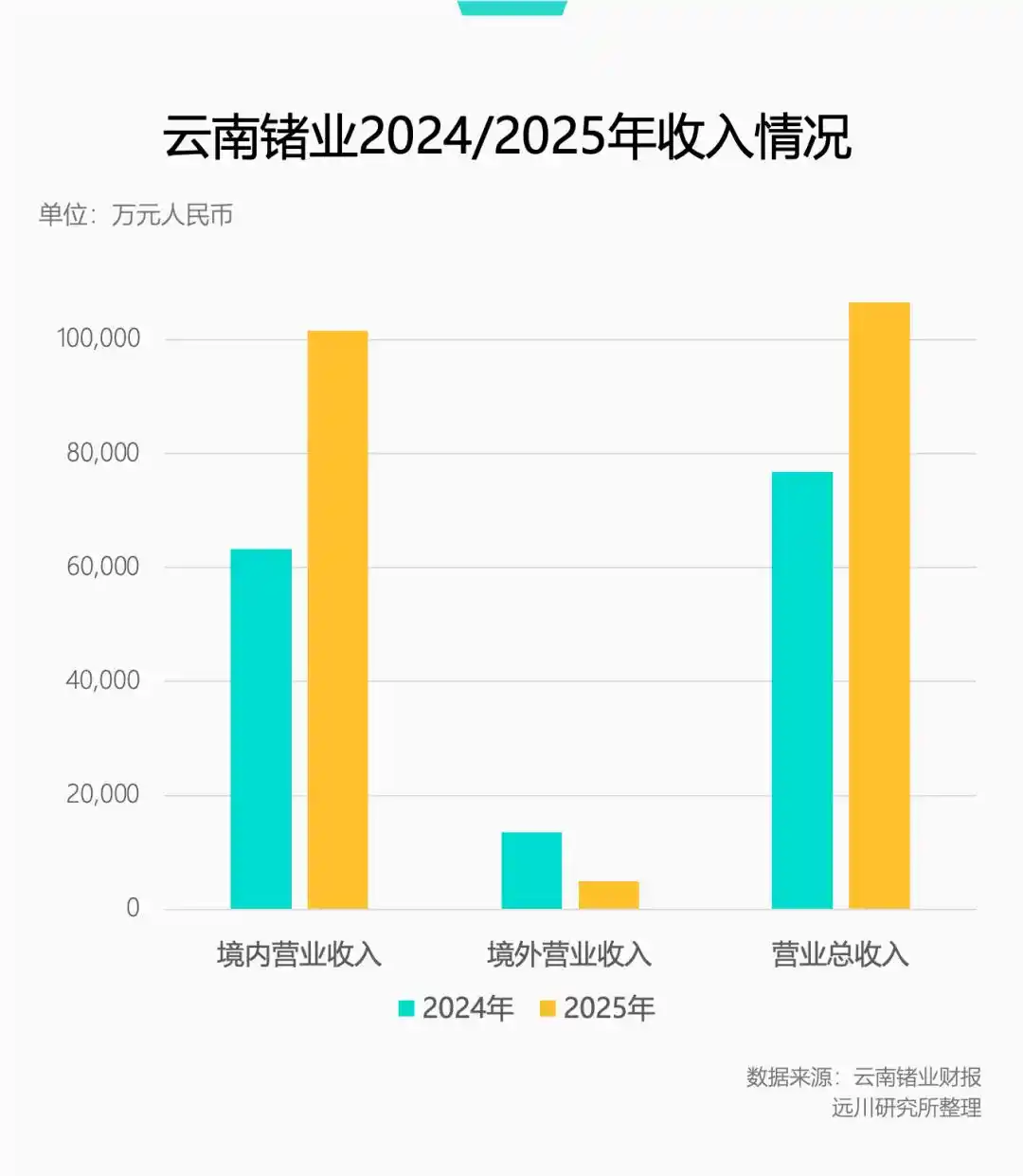
Yunnan Germanium is described as the leading domestic indium phosphide wafer producer and the only Chinese company currently able to mass-produce 6-inch indium phosphide wafers. In 2025, its domestic revenue rose 60.77% year over year to about RMB 1.016 billion, according to the article. Based on its first-half earnings guidance this year, net profit excluding non-recurring items surged by more than 500%.
Its subsidiary Yunnan Xinyao signed a wafer supply agreement with a customer last month worth RMB 570 million to RMB 855 million including tax. The article notes that the contract exceeds Yunnan Germanium’s full-year 2025 revenue.
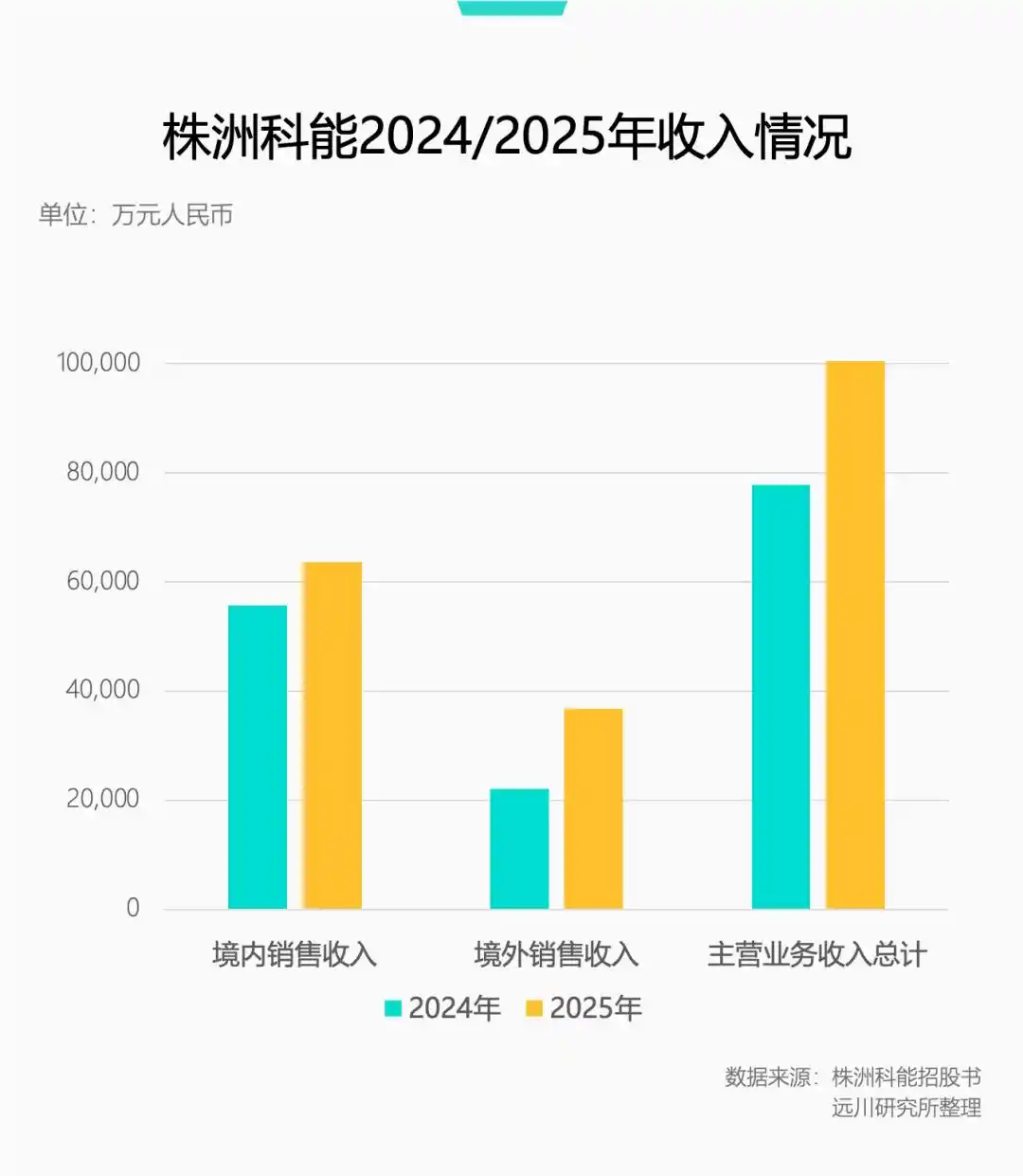
Upstream, Zhuzhou Keneng also posted strong growth. Domestic order revenue in 2025 increased by more than 60%, with onshore revenue topping RMB 1 billion for the first time. Overseas revenue climbed from less than RMB 30 million in 2023 to nearly RMB 200 million in 2025.
The article says another benefit is that higher-end products are finally getting a seat at the table. Yunnan Germanium’s latest capacity expansion and production planning explicitly include 6-inch wafers, which the report interprets as a sign that its larger-diameter products have moved from the lab stage into qualification and delivery preparation.
Zhuzhou Keneng, meanwhile, has started stable supply of 6N and 7N high-purity indium to overseas indium phosphide producers including Wafer, according to the article. It also says the company has broken the U.S.-Japan-Europe monopoly in 8N ultra-high-purity indium and has already recorded substantive sales.
Qualification cycles and capacity are still the two big constraints
The article says the domestic supply chain now faces two main bottlenecks: qualification and production scale.
Qualification gets tougher the further upstream a product sits. Indium phosphide wafer qualification usually takes from several months to one year, while high-purity indium can take one to five years. Downstream customers typically run multiple rounds of small-batch testing before establishing a formal supplier relationship. That means a number of Chinese companies that have reached technical milestones are still stuck in the qualification phase.
One example is Yuguang Gold and Lead, which has reached stable mass production of 7N high-purity indium. The article says market reports indicate the company has sent samples to Huawei and Accelink for testing. In its latest response on an investor interaction platform, the company said it is still in the sample certification stage and waiting for customer feedback.
Demand projections suggest the pressure is not going away. Citing institutional estimates, the article says global demand for indium phosphide wafers will reach 2.6 million to 3 million pieces in 2026, while effective global capacity will be just 600,000 to 700,000 pieces. That implies a supply gap of roughly 70%. For high-purity indium, industry media data cited in the report point to a shortage of about 50 tons in optical communications in 2026.
The article adds that the shortfall could widen further as Nvidia accelerates CPO volume production and high-speed optical modules ramp more quickly.
Capacity comparisons still show a wide gap. As of the end of 2025, Yunnan Germanium had annual indium phosphide wafer capacity of 150,000 pieces and plans to lift that to 180,000 in 2026. Sumitomo, by comparison, has monthly capacity of 39,000 pieces, implying annual capacity above 400,000. Yunnan Germanium’s “high-quality indium phosphide single-wafer construction project” is said to add another 300,000 pieces of annual capacity. Japanese rivals are also expanding, so the race now comes down to who can build faster.
For high-purity indium, Zhuzhou Keneng had annual capacity of 150 tons of 5N-and-above material by the end of 2025, including 6N and 7N grades. Its IPO fundraising project, titled “500-ton annual semiconductor high-purity materials and recycling project,” is expected to add another 60 tons of high-purity indium capacity. The article says Japanese giants including Dowa have not disclosed corresponding expansion plans.
A May report from U.S. investment firm Rosenblatt Securities, also cited in the article, said Nvidia has urged suppliers to increase indium phosphide laser capacity by 20 times before 2030. Suppliers, however, only committed to a 12-fold increase.
An old lesson from the indium trade is resurfacing
The article closes by revisiting an earlier period in China’s indium industry. In 2011, domestic financial media reported that metallic indium prices rose from RMB 4.6 per gram to RMB 6.2 per gram in one month. China had exported 80% of global indium over the previous decade, yet domestic pricing power remained weak. Japanese companies used that imbalance to buy indium cheaply in China, process it into parts in Japan, and then sell those parts back to Chinese buyers at many times the original price.
That episode is presented as an early scar for the industry and a reminder that control over raw materials does not automatically translate into control over value. The larger opportunity lies in building downstream processing and manufacturing strength on top of upstream resource access.
In 2011, the Pan Asia Nonferrous Metals Exchange in Yunnan was established to consolidate supply, centralize price quotes, and allow institutions and individual investors to participate in trading. The article says that marked the start of China regaining pricing power in indium. The current rush around optical modules, in that telling, is another beginning.
The original piece was published by Yuanchuan Tech Review on WeChat and written by He Lvheng.