Crypto traders turn to “dopamine shopping” as fake luxury checkouts gain traction

Crypto traders turn to “dopamine shopping” as fake luxury checkouts gain traction

N
News Editor
2026-09-25 17:28:40
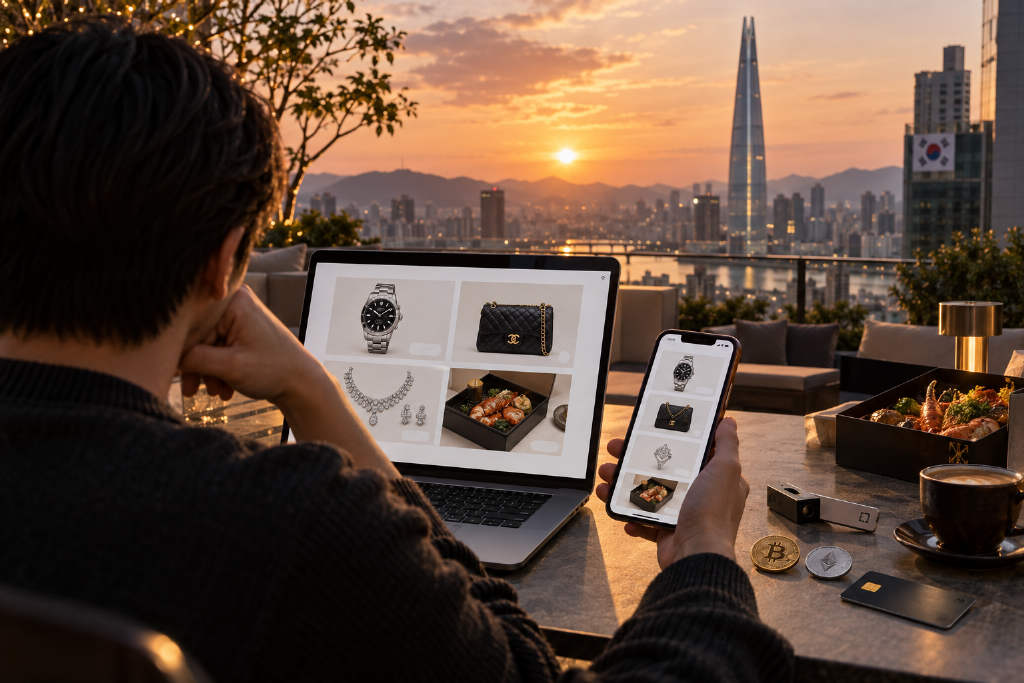
A niche online habit known as “dopamine shopping” is finding an audience among crypto users whose portfolios have stalled. The trend, which emerged in South Korea earlier this year, lets people browse and “buy” expensive items such as luxury watches, designer clothing, and upscale meals without spending real money. The appeal is the sensation of making a big purchase without taking the financial hit. Protos said the behavior is showing up in crypto circles after the sector’s total market capitalization fell 30% from its all-time high a year ago, leaving less room for actual luxury spending. A Singapore-based lawyer and crypto influencer mocked the idea by joking about a startup that would add real giveaways to fake shopping apps, saying a business that paired a dopamine purchase with a lottery entry for a real item could be worth “multi billions.” Examples already online include Dopamine Shop, which lists fake luxury jewelry and watches, and FoodNeverComes, a site that imitates the UberEats ordering flow. The BBC recently said FoodNeverComes has logged more than 2.7 million visitors since June 2026. This week, a commentator pushed the concept deeper into crypto culture after posting screenshots of fake storefronts that drew nearly two million views.

Crypto users with stagnant portfolios are turning to so-called “dopamine shopping,” a form of fake online spending built around the thrill of buying expensive items without actually paying for them.

The trend emerged in South Korea earlier this year. Users browse high-ticket goods such as luxury watches, designer clothes, and fancy meals, move through the checkout flow, and get the sensation of a major purchase without any real financial cost. The point is the rush, not the item.

Crypto joins a broader “dopamine shopping” trend

Protos said budgets for genuine luxury goods remain tight after crypto’s total market capitalization fell 30% from its all-time high a year ago.

A Singapore-based lawyer and crypto influencer joked about the idea by proposing a startup that would add real giveaways to fake shopping apps as a way to introduce variable rewards. He said, jokingly, that a company able to combine a dopamine purchase with a lottery entry for a real item and convert users into paying customers could be worth “multi billions.”

Fake storefronts are already live

One example is Dopamine Shop, which features a fake jewelry section including a $10,950 Rolex Submariner and a $56,000 Audemars Piguet. Its slogan reads: “Shop freely. Buy nothing.”

The BBC recently counted more than 2.7 million visitors to FoodNeverComes since June 2026. The site is described as a “dopamine kitchen” that recreates the experience of ordering through UberEats.

Crypto commentators picked it up this week

The idea spread into crypto circles this week after a commentator posted screenshots of fake storefronts and drew nearly two million views. In a reply, he gave a nod to his own audience, writing, “Degens would love it.”

Commenters kept the joke going. One wrote, “I love checking TripNeverLeaves right after a 45-minute session with FoodNeverComes.” A fintech worker added, “Why do we keep coming up with new and creative ways to gamble?”

This article was originally published by Bit.Fan. For more cryptocurrency news and market insights, visit www.bit.fan.
2900

Disclaimer:

The market information, project data, and third-party content displayed on this platform are for industry information sharing only and do not constitute any form of investment advice or return commitment.

Cryptocurrency trading carries high risks. Users should fully assess their risk tolerance and make independent decisions. All profits, losses, and legal responsibilities are borne by the users themselves.