
The crypto industry is in the midst of a profound generational shift. For a decade, its core strength was asset issuance—launching chains, coins, governance tokens, and economic models, then pushing them to the market with narratives, airdrops, and liquidity incentives. Today, those native assets are drifting toward a slow death, making every dip-buying attempt feel futile. What is now siphoning liquidity and attention are not new protocols, but mapped versions of old-world assets: US stocks, treasuries, gold, crude oil, and indices.
From Asset Factory to Global Asset Channel
Every bear market brings cries that “ETH is dead,” that “altcoins have no buyers,” or that “DeFi is finished.” Yet the despair today feels different because it is not about price cycles or narrative rotation. The function of the crypto sector has shifted: it is no longer a “new-asset factory” but is turning into a “global asset channel.” Stablecoins were the earliest and most successful proof. The mass adoption of USDT and USDC did not mean crypto conquered the dollar; rather, the dollar found a more efficient circulation method on-chain. Ordinary users do not seek a new world currency—they want a dollar that moves faster, cheaper, and without time or geographic limits. The capability that blockchain ultimately validated at scale is not value storage, governance, or complex financial innovation, but peer-to-peer transfers and global settlement.

The Plight of Native Altcoins
Beyond Bitcoin, the store-of-value thesis for other tokens has been largely debunked. They are marked by extreme volatility, thin cash flows, and demand driven entirely by speculation. During hot-money inflows, the industry compared internal metrics—TPS among L1s, TVL among DeFi protocols, community heat among memes—everyone swimming in the same narrative pool. Now that internal stories have run dry, external competitors have emerged. On one side are traditional assets backed by real cash flows and global pricing systems; on the other is AI, which offers both visionary narratives and concrete products. A revenue-less, demand-free altcoin sitting next to Nvidia or crude oil looks painfully out of place.
Ethereum and DeFi’s Collapsing Worldview
Ethereum faces more than short-term roadmap and liquidity pressures; its entire “native-asset worldview” is being squeezed out. Users can pay on Base, trade on Arbitrum, move assets across rollups, and trade tokenized US equities on-chain, but none of those activities require holding ETH. DeFi’s grand narrative of rebuilding finance has also been reduced to infrastructure. Lending, DEXs, and yield aggregators still exist but increasingly resemble plumbing—essential yet unable to capture the imagination on their own. On-chain finance does not need to reinvent the dollar; it only needs to make existing assets more freely transferable, tradeable, collateralizable, and shortable.

Hyperliquid’s Rise: Four Waves of On-chain Perpetuals
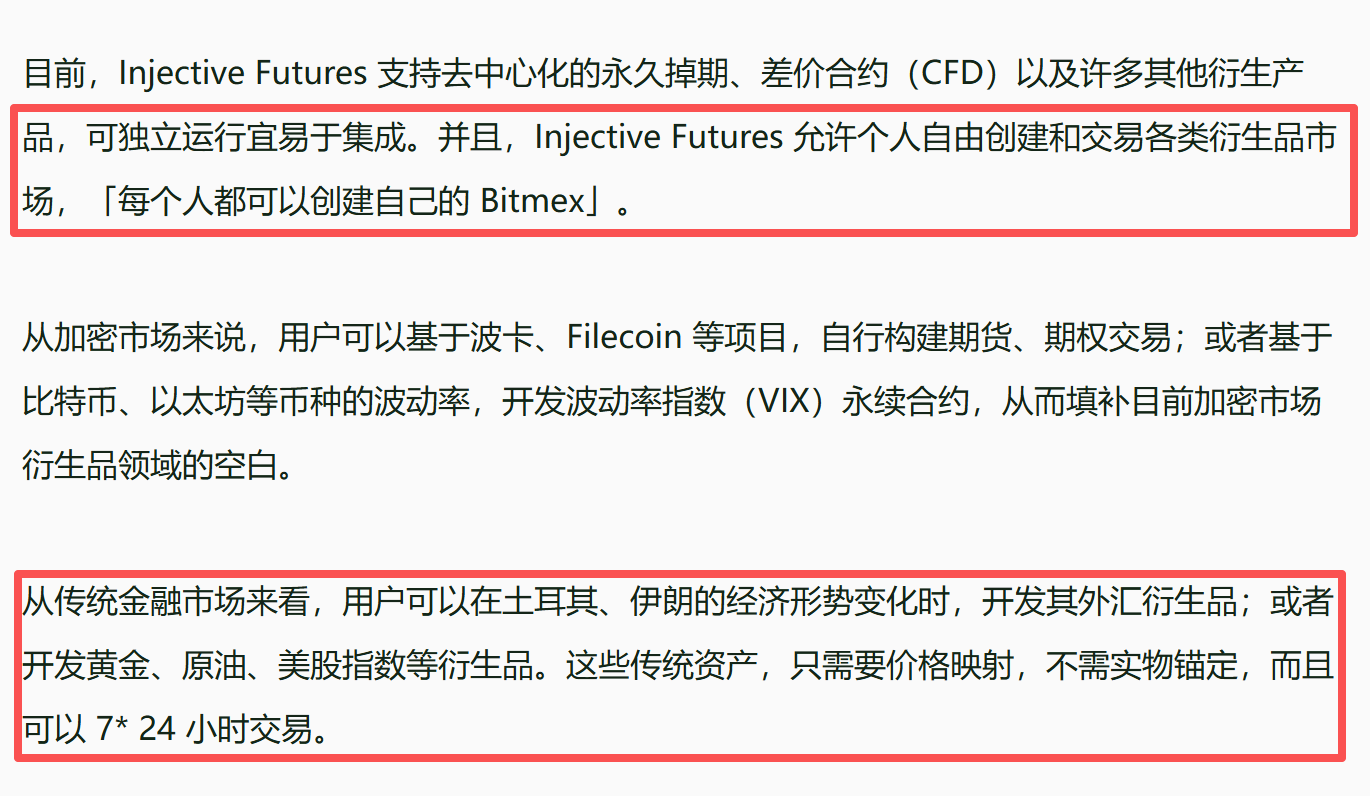
Hyperliquid’s breakthrough did not come from building yet another Perp DEX, but from making on-chain derivatives feel like a centralized exchange—an order book, low latency, APIs, rebates, community wealth effects, and a no-VC token distribution. Those elements turned a protocol into a trading venue, creating the initial liquidity that is the hardest to build. Then came the trust shift after the USDT depeg scare, when whales chose to trade transparently on-chain rather than risk being trapped in opaque CEX environments. The third wave arrived with macro asset volatility; wars and geopolitical tension drove demand for a 24/7 global trading venue. Finally, the explosion of stock trading on-chain accelerated the flywheel. Veteran players dismissed Hyperliquid because they had seen similar attempts years ago, but timing, mature infrastructure, and external catalysts were what made the difference.

Perpetual Contracts: The Most Successful and Dangerous Financial Innovation
Launching spot US stock trading on-chain requires tackling compliance, custody, underlying-asset mapping, trading hours, clearing, equity rights, dividends, and corporate actions—every link must interface with legacy finance. A stock perp, by contrast, needs only a contract pool built around a price feed. Liquidity can come from ecosystem partners, and users trade pure price exposure without owning the underlying equity. Perps bypass the heaviest parts and capture what traders want most: volatility. They reduce an asset to a bettable price symbol, compress complex ownership into long/short direction and leverage multiples, and care only whether the price moves. This design eliminates expiration dates, closes no markets, and crosses borders, creating unprecedented liquidity and price-discovery efficiency. Countless fortunes have been wiped out, yet it is precisely this simplification that proves so compelling. People may not want to own Nvidia, but they want to trade its swings; they may not need gold, but they want to bet on its direction. Perps distill that desire into a product where every asset becomes a 24-hour tradeable price.

So “crypto is dead” means the era of perpetual native-asset inflation has ended. Today’s industry is no longer obsessed with inventing new assets; it is working to build a new API for the old world, so that US stocks remain US stocks but can now trade 24/7 with global liquidity and permissionless access on-chain. The failure of the idealists may simply be the market completing its selection. Humanity’s chase for wealth, risk appetite, and fascination with leverage have never changed, and the perpetual contract may well be crypto’s most enduring gift to global finance.