
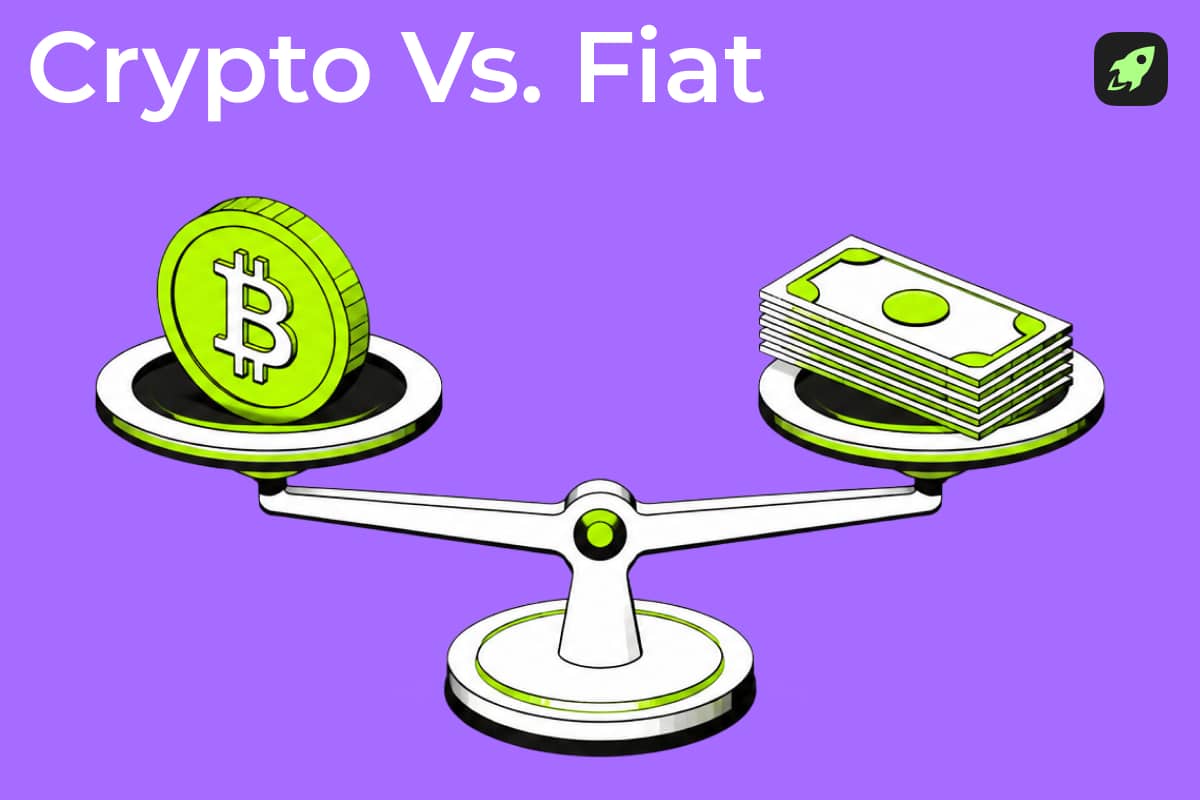
Money must serve three core functions: medium of exchange, unit of account, and store of value. Crypto and fiat money each excel in different areas. Fiat relies on government authority, central bank credibility, and legal tender status; crypto depends on blockchain consensus, cryptography, and network participants. Neither is universally superior — the real question is which works better for specific use cases.
Supply Rules: Hard Cap vs. Central Bank Elasticity
Bitcoin's 21 million cap is enforced by protocol and halving events, creating predictable scarcity. Fiat money supply adjusts through central bank policies — interest rates, reserve requirements, open market operations — allowing rapid response to recessions but risking long-term inflation. Stablecoins like USDT and USDC peg to the dollar via reserves, offering a crypto-native asset with measured supply elasticity. Their safety hinges on reserve audits and redemption mechanisms.
Payment Experience: 24/7 Settlement vs. Banking Hours
Crypto networks process transactions around the clock, with finality occurring within minutes to hours depending on the chain (Bitcoin ~10 min, Ethereum ~12 sec). Fiat payments depend on bank cutoffs, intermediary chains (SWIFT, ACH), and compliance checks, often taking 1-3 business days. Crypto enables instant cross-border transfers without correspondent banks, but merchant adoption remains low, and self-custody risks (lost private keys) deter mass use.
Price Stability: Daily Volatility vs. Central Bank Pegs
Major fiat currencies trade in deep, liquid markets and are supported by central bank interventions. Daily moves rarely exceed 1%. Cryptocurrencies — especially non-stablecoins — are highly sensitive to news, leverage liquidations, and sentiment. Double-digit daily swings are not uncommon. This volatility makes it impractical to denominate wages, rent, or long-term contracts in BTC or ETH. Stablecoins solve this by anchoring to fiat, but their reserves must be verifiable to maintain trust.
Regulation widens the gap: fiat deposits enjoy legal protections (e.g., FDIC up to $250,000 in the U.S.) while crypto accounts are uninsured and subject to unclear jurisdictional rules. The most realistic future is coexistence: fiat dominates daily transactions and tax obligations; crypto carves out niches in cross-border remittances, DeFi lending, and programmable money; stablecoins and CBDCs (like the digital euro, possibly 2029) serve as bridges between the two ecosystems.