
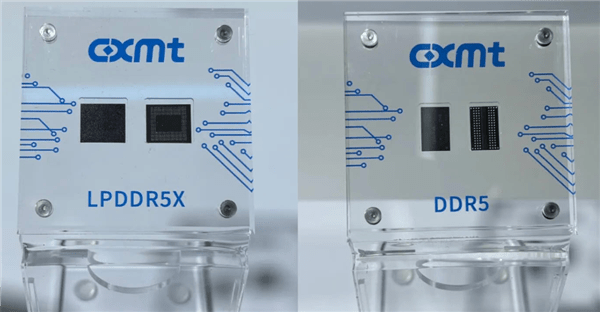
ChangXin Memory Technologies (CXMT), a major Chinese memory chip maker, opened subscriptions for its initial public offering on July 16, pricing the deal at 8.66 yuan per share and raising 66.6 billion yuan, or about $9.8 billion. By size, the listing is the largest semiconductor IPO in China’s A-share market and the second-largest A-share IPO overall, behind Agricultural Bank of China’s roughly $10 billion deal in 2010.
Retail investors placed about 9.4 million orders
According to Bloomberg, citing filing documents disclosed Thursday, the retail portion of the IPO was still oversubscribed by 212 times even after a clawback mechanism was activated. Individual investors submitted about 9.4 million subscription orders, pointing to exceptionally strong demand.
CXMT sold 7.69 billion shares at 8.66 yuan each, including a 1 billion-share greenshoe option. The company has been widely seen by the market as one of Beijing’s main hopes for building greater self-sufficiency in memory chips.
CXMT serves China’s domestic memory demand
The report described CXMT as the world’s fourth-largest DRAM manufacturer after Samsung Electronics, SK Hynix and Micron. Its chips are supplied to a range of domestic Chinese devices, from smartphones to AI servers.
As U.S.-China tech competition continues and Washington restricts exports of advanced components, CXMT has become a key company in Beijing’s push to cut reliance on foreign suppliers, especially in memory products used in AI data centers.
Analyst flags listing-day risks
Wang Zhongyuan, chief investment officer at an investment institution in Shenzhen, said, “This is an IPO that will 100% jump because the issue P/E is too low.”
He added, “What worries me most is that it could break away from the script on the first day, push the scale to an extreme level, and instead become a signal that Chinese technology stocks have peaked.” The report also said that, based on historical experience, highly watched large IPOs often mark a short-term high soon after listing.
Memory shares fell on supply expansion concerns
As the market expects the funds raised in CXMT’s IPO to be deployed into new capacity and more advanced process technology, investors have started to weigh the risk that the global DRAM market could re-enter a period of rapid supply expansion.
Micron shares closed down 5.65% on the day, while SK Hynix ADRs dropped about 13.69%. Selling also spread across memory-related stocks in Japan, South Korea and Taiwan.
At the same time, some market voices said CXMT may find it difficult to materially challenge the technological lead of the top three memory makers in the short term. The reasons cited were lower process yields, a smaller customer certification base than Samsung and Micron, and HBM technology that has yet to fully mature.