Market Cycles: 50% Drawdown Normal, $60K Becomes New Support
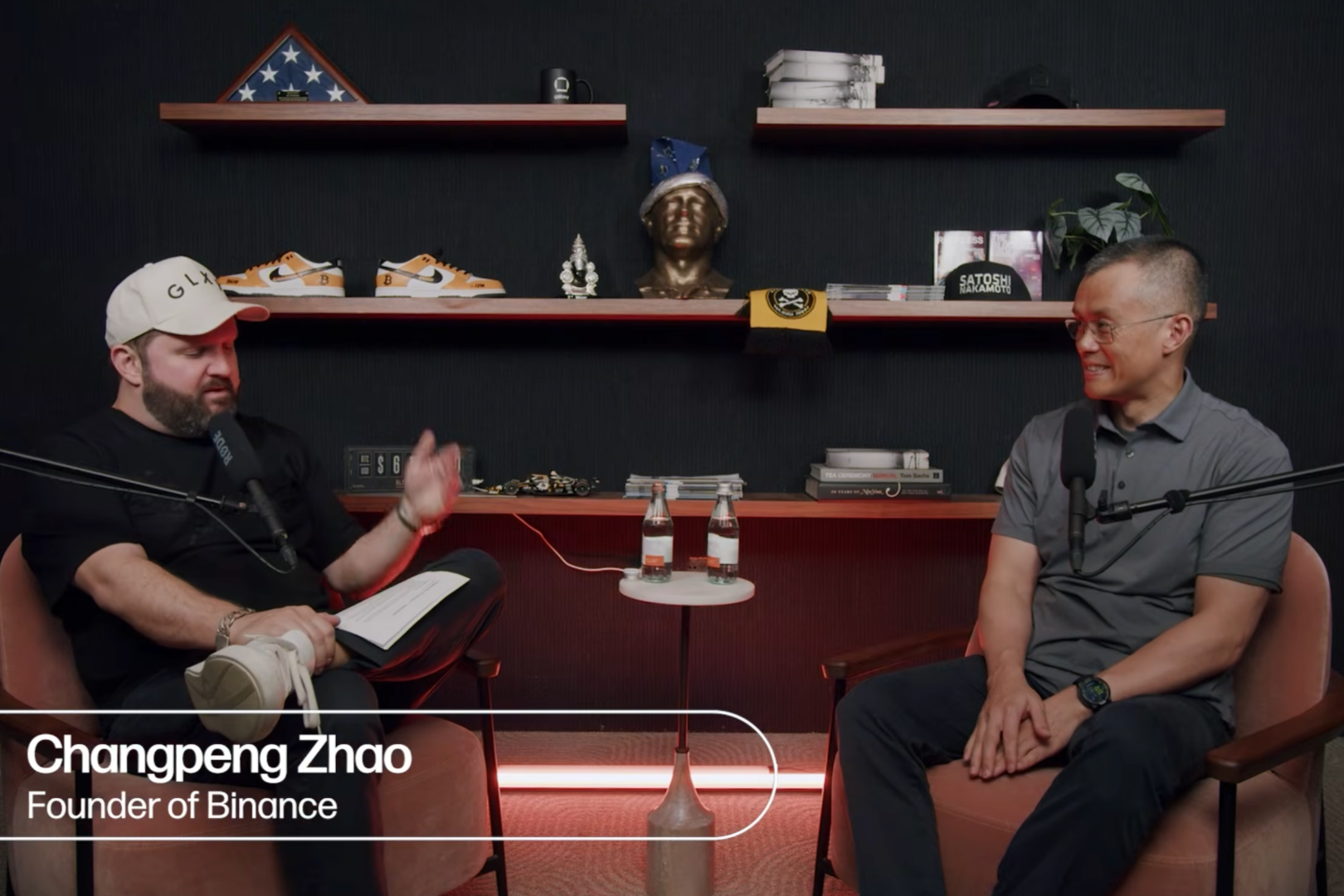
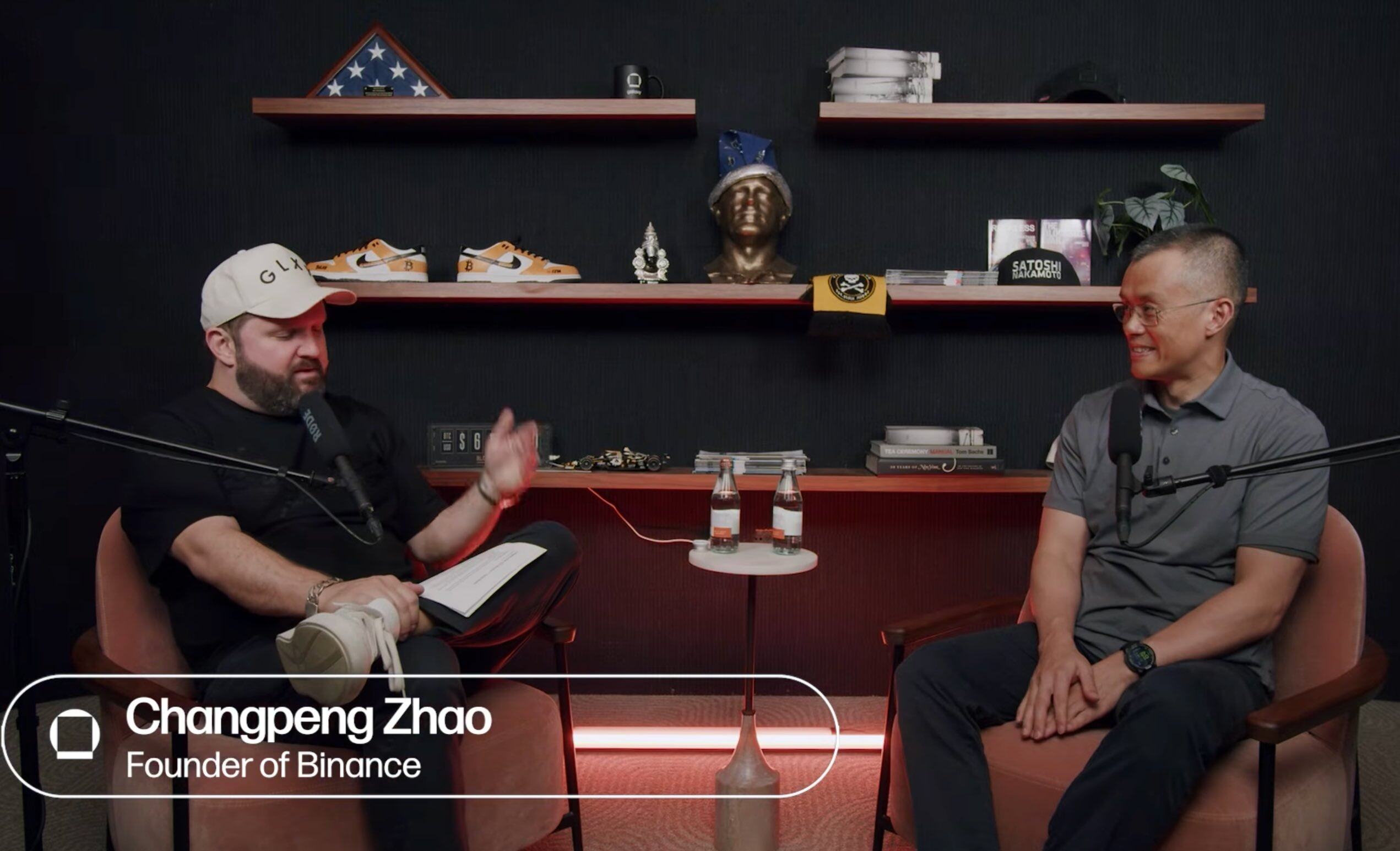
In his Galaxy interview, CZ offered a measured view on the current crypto market cycle. He believes the four-year cycle remains valid, with prices currently down about 50% from peaks — far better than historical extremes such as the Luna crash and FTX collapse in 2022, when Bitcoin dropped to $16,000. Today's price is 4-5 times higher than that trough. CZ notes that each cycle starts from a higher base, forming a pattern of rising bottoms. Technically, previous highs often become future support levels: $60,000 (the all-time high from 4-5 years ago) is now acting as a support floor.
Compared to previous cycles, the industry's fundamentals are stronger: multiple countries now openly support Bitcoin, institutions like BlackRock have entered, BNB ETFs are listed, and more stablecoins and RWA tokenization are emerging. Importantly, no major institution has come close to bankruptcy in the last six months, and overall leverage is better controlled, reducing systemic risk.
Crypto–TradFi Convergence: Not a Dichotomy, but a Unified Fintech Industry
CZ argues that crypto is not a standalone industry but a new technological tool enabling faster, cheaper, and more transparent financial transactions. Just as the internet evolved from a separate sector to an infrastructure layer, traditional finance firms can adopt blockchain, while crypto companies can offer lending, savings, and stock trading. The boundaries blur, ultimately forming a single fintech ecosystem. On centralization vs. decentralization, CZ believes both will coexist indefinitely: any platform or team inherently bears centralization features, but technology will continue to push toward decentralization. He is a staunch supporter of decentralization but acknowledges that centralized institutions can provide high-quality, low-cost services that attract users through network effects. A genuinely decentralized world can accommodate centralized participants.

Investment Philosophy: 70% Crypto, 20% AI, 10% Biotech — Impact Over Returns
CZ revealed Yzi Labs' allocation principle: approximately 70% in cryptocurrency, 20% in AI, and 10% in biotech. These three sectors are massive and continuously innovating. More importantly, the firm prioritizes positive impact on civilization over pure financial returns. For example, investing $1 billion in a cheap cure for a common disease that saves millions of people — even if the company makes no profit — would be a success in his eyes. Specific investments include an "artificial womb" company that allows fetal development outside the human body for up to 10 years (now tested in rats) and a knee cartilage regeneration technology using 3D-printed scaffolds to stimulate growth (in early human trials). CZ says these biotech projects excite him the most.

AI Competition and Risks: Crypto Can't Destroy Civilization, AI Can
CZ uses multiple AI products — OpenAI, Anthropic's Claude, DeepSeek, Kimi — noting significant regional availability differences. He finds US large language models more accurate, while Chinese models are good but occasionally less comprehensive. On AI regulation, CZ believes the industry hasn't deeply considered how to promote AI growth without stifling innovation. He cautions that while crypto cannot destroy civilization, AI (if misused) has the potential to harm it — for instance, by hacking systems or designing nuclear weapons. Therefore, AI development speed must be carefully managed. CZ also observes that massive capital flows into AI stocks, but that money will ultimately circulate on blockchains because traditional payment rails (credit cards, KYC with passports) are incompatible with autonomous AI agents, whereas blockchain's API-driven nature is AI-friendly.

Crypto's Future: Not Dying, AI Is Catalyst, Multi-Chain and L1 Remain Dominant
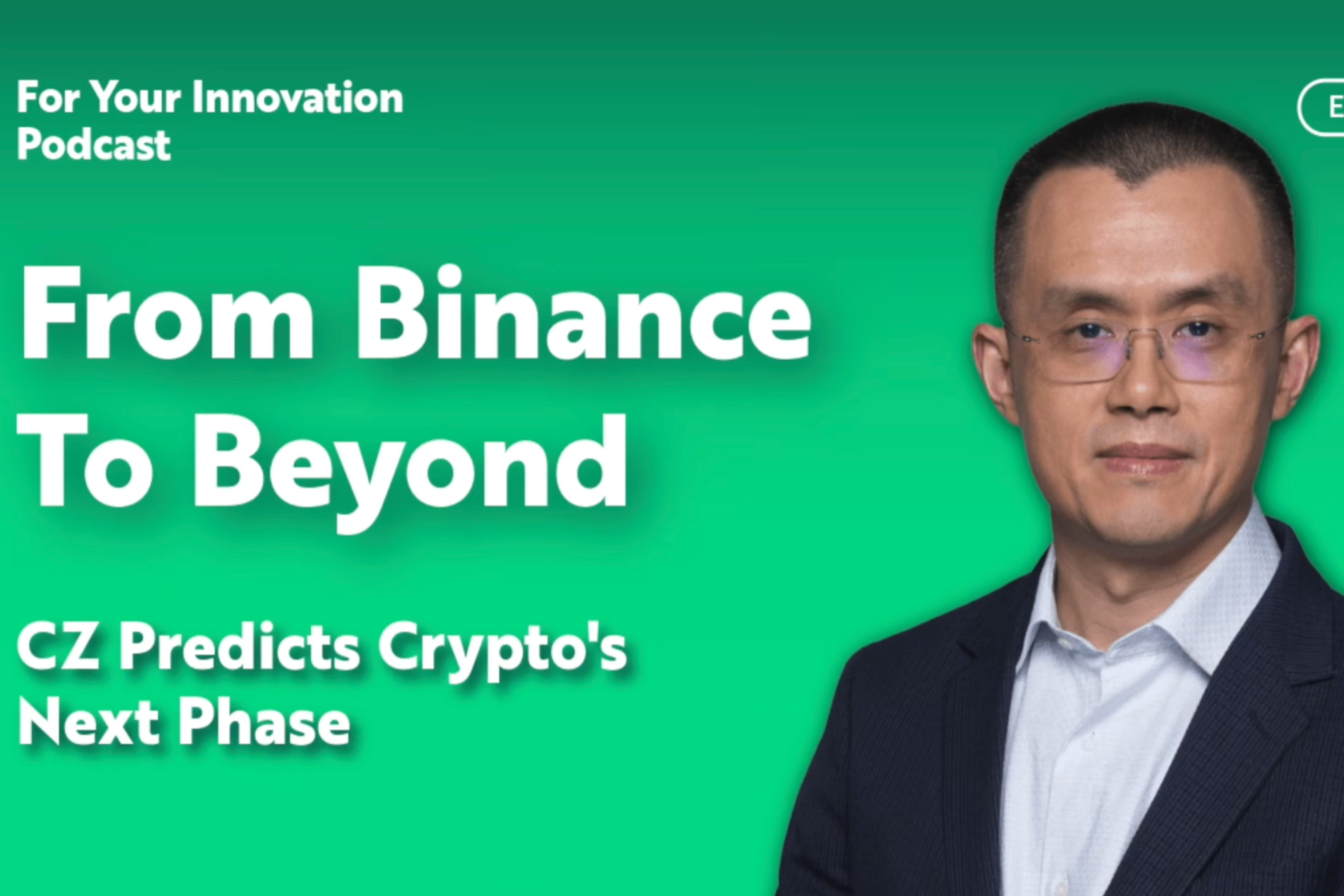
CZ is confident that crypto's future is larger than ever. Although hot money has shifted toward AI, people are trading AI stocks using crypto tokens, so AI is effectively contributing to crypto volumes. He envisions AI agents automatically integrating payment systems, executing KYC, and more — and blockchain is the most suitable financial infrastructure for that. On the technical side, CZ favors L1s in the long run; despite strong L2s today, L1 speed will improve, demand will increase, and history will likely cycle between L1 and L2. He advises all blockchain projects to perform major upgrades during bear markets. BNB Chain is developing a next version that is faster, cheaper, and offers more privacy controls. He also praises Hyperliquid for carving out a niche (no KYC, claim of decentralization) that Binance cannot directly compete with. Overall, crypto will not die; it will co-evolve with AI to build a better financial system.