

Asia’s crypto industry saw a broad mix of regulatory tightening, licensing expansion and corporate repositioning this week. Dubai’s Virtual Assets Regulatory Authority (VARA) has now issued its 50th virtual asset service provider license, while Taiwan’s legislature passed the island’s first comprehensive law covering crypto firms and stablecoins. At the same time, India’s central bank reportedly reiterated that banks should be insulated from crypto assets and private stablecoins, even as policymakers preserve space for regulated tokenization. Russia, for its part, said its central bank digital currency remains on schedule for a Sept. 1 rollout.
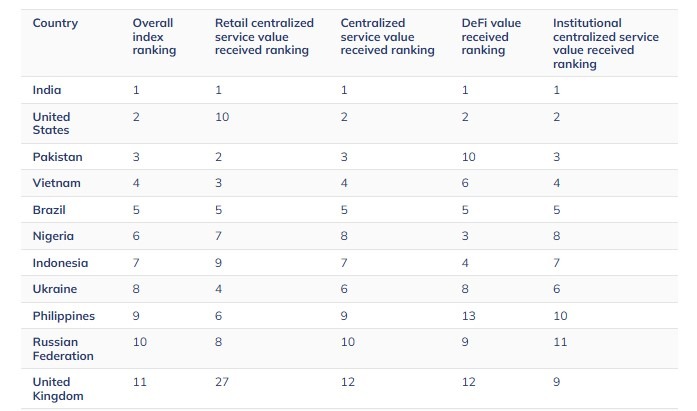
Corporate developments were equally notable. SBI Crypto, the digital-asset arm of Japan’s SBI group, said it will shut down its Bitcoin mining pool on July 31, ending a five-year run. The pool is currently ranked as the world’s 12th largest by hashrate. Elsewhere, Japan-listed Metaplanet continued to expand its Bitcoin treasury, lifting its holdings above 43,000 BTC during the second quarter. In contrast, South Korea’s K Wave Media sold its remaining 88 BTC to repay $6 million in debt, formally stepping away from its Bitcoin treasury strategy.
Regulatory divergence grows across Asia
According to a report from The Economic Times, the Reserve Bank of India has renewed its effort to keep the banking system separated from crypto exposure. RBI Deputy Governor Rohit Jain and Executive Director P. Vasudevan reportedly presented the bank’s position to the Parliamentary Standing Committee on Finance on Thursday. In a background note, the central bank said that prohibition remains a recognized policy option and recommended blocking the use of crypto in payments and settlements while limiting banking-sector exposure.
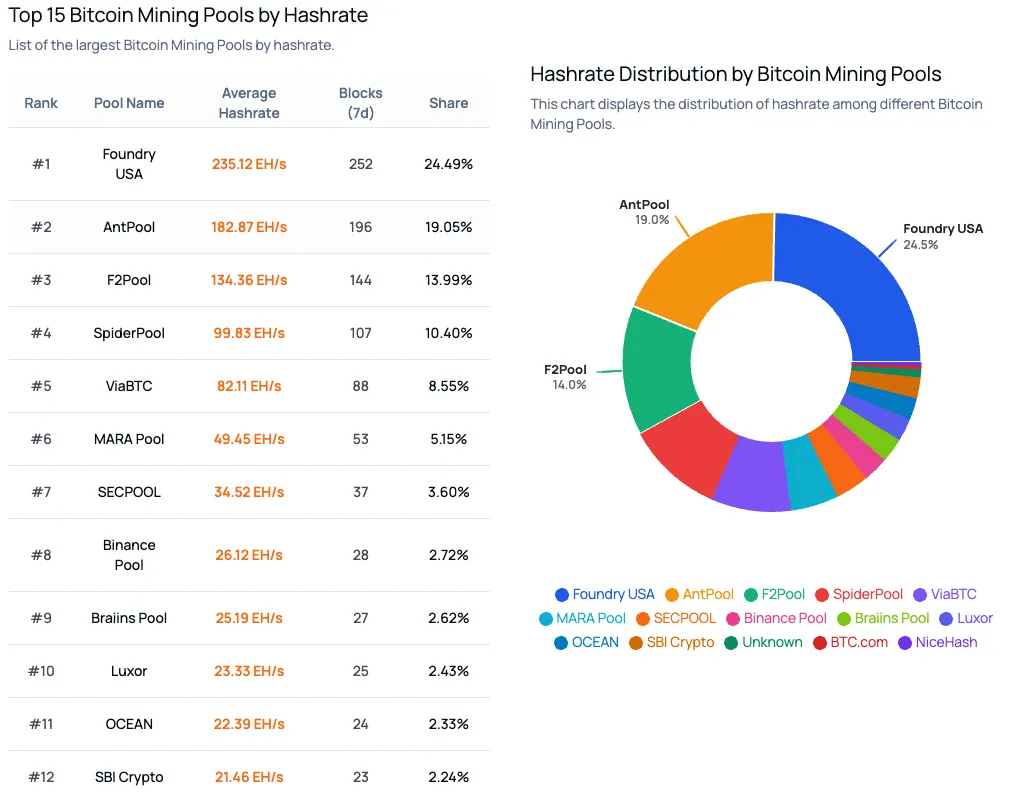
The RBI also warned that applying conventional financial regulation to crypto assets could inadvertently legitimize speculative instruments and give users a misleading sense of safety. At the same time, it argued that crypto assets should be distinguished from tokenized government securities, corporate bonds and other regulated financial products, so that restrictions on crypto would not undermine tokenization as a policy objective.
Taiwan moved in the opposite direction by formalizing a dedicated legal framework. The Financial Supervisory Commission said the Legislative Yuan passed a law requiring all virtual asset service providers to obtain approval before operating. The law also states that any stablecoin issued in Taiwan must be approved by both the central bank and the FSC. Issuers must maintain sufficient reserves through a trustee and undergo regular audits. The measure marks Taiwan’s first law directly regulating both crypto and stablecoins.
Dubai also continued to strengthen its position as a regional licensing hub. On Thursday, VARA said its latest approval was granted to tokenized assets platform Tribe Tokenisation FZE, bringing the total number of licensed VASPs in Dubai to 50. On a headline basis, that puts Dubai ahead of Hong Kong, which has reported 13 licensed firms, and Singapore, which has reported 37. Even so, license count alone does not fully show how many firms are actively operating or how much business they generate.
CBDCs and tokenized finance remain central policy themes
Russia’s central bank governor, Elvira Nabiullina, said the country is ready to launch the digital ruble in roughly two months. According to Russian state media outlet RIA Novosti, Nabiullina said that “everyone is ready” for a Sept. 1, 2026 rollout. The digital ruble will be introduced as a complement to the existing ruble and will initially be accepted by financial and credit institutions.
The project is moving ahead despite earlier action from the European Union. In April, EU authorities announced restrictions targeting the digital ruble as part of sanctions responding to Russia’s war against Ukraine. That means the CBDC is entering circulation under an existing geopolitical constraint, even before broader international adoption or interoperability questions are addressed.
In South Korea, Bank of Korea governor Hyun Song Shin used a panel at the European Central Bank Forum in Sintra, Portugal, to make the case for tokenized government bonds. He said tokenization can simplify issuance and management by making it easier to verify collateral, credit the asset provider’s account and reverse transactions when needed. Shin described government bond tokenization as the “big prize”, arguing that a fully tokenized system would be simpler and less error-prone.
He also outlined a plan to place tokenized government bonds, wholesale CBDCs and tokenized commercial bank deposits on a unified ledger as part of an extension to “Project Hangang,” the Bank of Korea’s pilot for a blockchain-based wholesale CBDC system. Data from RWA.xyz shows that US Treasury debt remains the largest tokenized real-world asset category, worth about $14.6 billion and accounting for roughly 46% of the broader $31.7 billion RWA market.
Mining, sanctions and treasury strategies continue to shift
SBI Crypto said it will cease operations of its Bitcoin mining pool on July 31 and stop accepting mining shares at the same time. The company did not provide a reason for the closure. Data from SimpleMining shows the pool currently has around 21.46 EH/s of hashrate, representing about 2.24% of the Bitcoin network and ranking it as the 12th largest pool globally. SBI Crypto asked miners to continue directing hashrate to the pool until the cutoff so final payouts can be calculated properly.
On the enforcement side, the US Treasury’s Office of Foreign Assets Control added 134 cryptocurrency wallet addresses tied to ISIS-Khorasan to its Specially Designated Nationals list. Chainalysis said Tether froze balances linked to 131 Tron addresses, while the remaining three sanctioned addresses were on the Monero network. The move followed an earlier June 22 sanctions round that targeted three individuals and six entities across Europe, the Middle East and West Africa accused of helping ISIS move funds among regional affiliates.
Metaplanet, meanwhile, said it bought 2,823 BTC in the second quarter at an average price of about 12.71 million yen per Bitcoin, or roughly $78,850 at current exchange rates. Because the purchase price came in below the firm’s prior average cost, its average acquisition price dropped from $96,258 to about $95,117 per BTC. The company now holds 43,000 BTC acquired for approximately $4.1 billion.
The firm also reported about $10.95 million in revenue from its Bitcoin income-generation strategy during the quarter. That strategy includes selling cash-secured options and using other Bitcoin-related yield approaches. By contrast, Nasdaq-listed South Korean company K Wave Media sold its last 88 BTC to repay $6 million in debt and exited the Bitcoin treasury strategy, according to a filing submitted to the US Securities and Exchange Commission.

Dubai and Kazakhstan push regional expansion
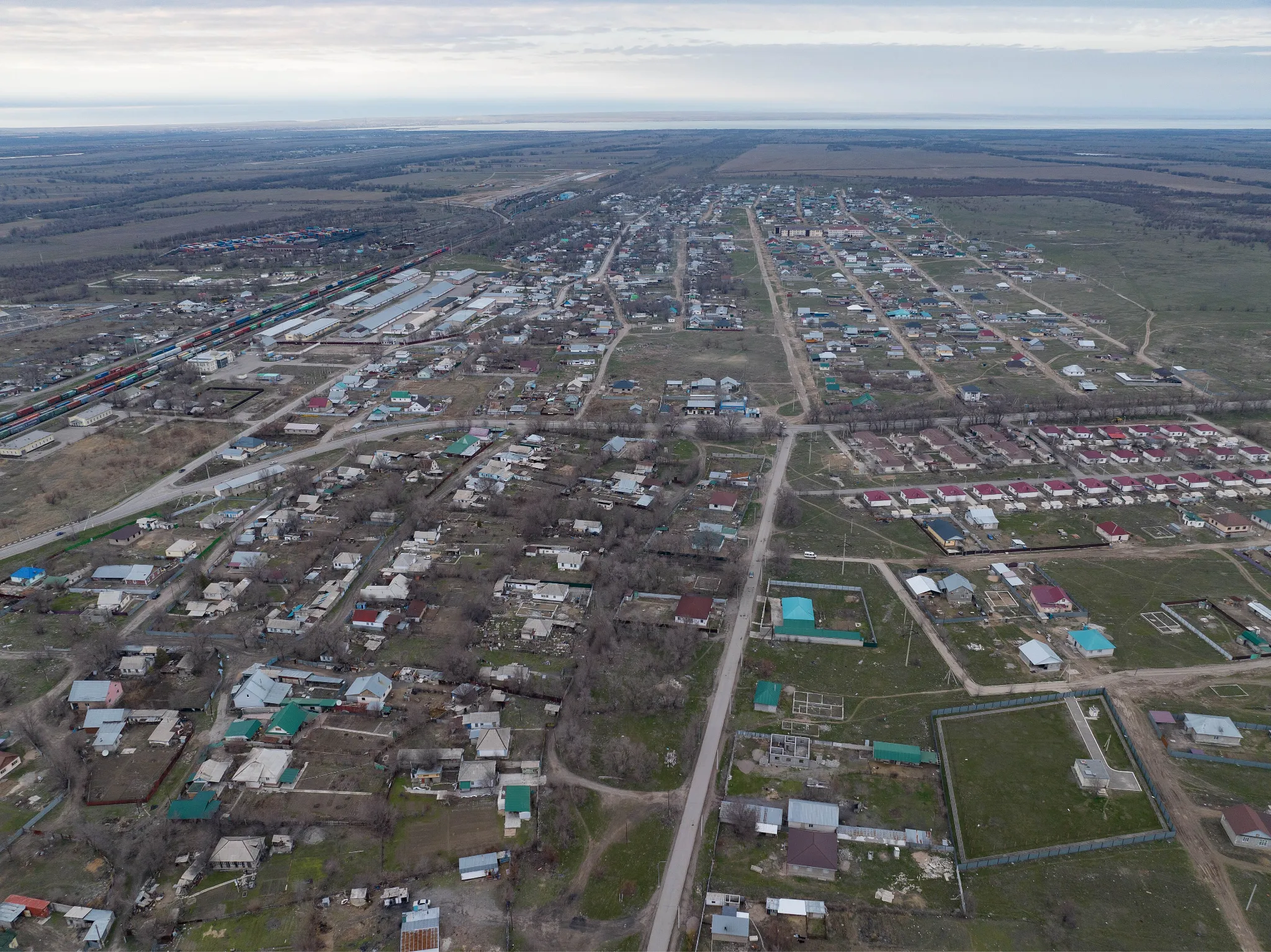
Beyond licensing growth in Dubai, Central Asia is also accelerating crypto-related infrastructure plans. Nasdaq-listed Solana Company signed a memorandum of understanding to support the development of blockchain and crypto infrastructure for Alatau City, a planned digital-first megacity in Kazakhstan. The agreement was signed during the Alatau City Roadshow held in Shenzhen and Hong Kong in June. Reports said the roadshow secured 30 cooperation agreements with a combined investment potential of more than $6 billion.
Solana Company chair and CEO Joseph Chee said the company expects to deepen the partnership and expand the Solana ecosystem’s footprint across the region. Kazakhstan has already been moving closer to the Solana ecosystem. Last year, the country launched Central Asia’s first Solana Economic Zone in Astana together with the Solana Foundation. Last week, the Kazakhstan Stock Exchange also launched its first Solana ETF, giving investors a regulated way to gain exposure to SOL through one of Central Asia’s largest exchanges.