

Students at elite U.S. universities are more and more willing to pick San Francisco AI startup houses over internships at Wall Street banks and big tech companies, according to a MarsBit article that cited the WeChat account Xinzhiyuan.
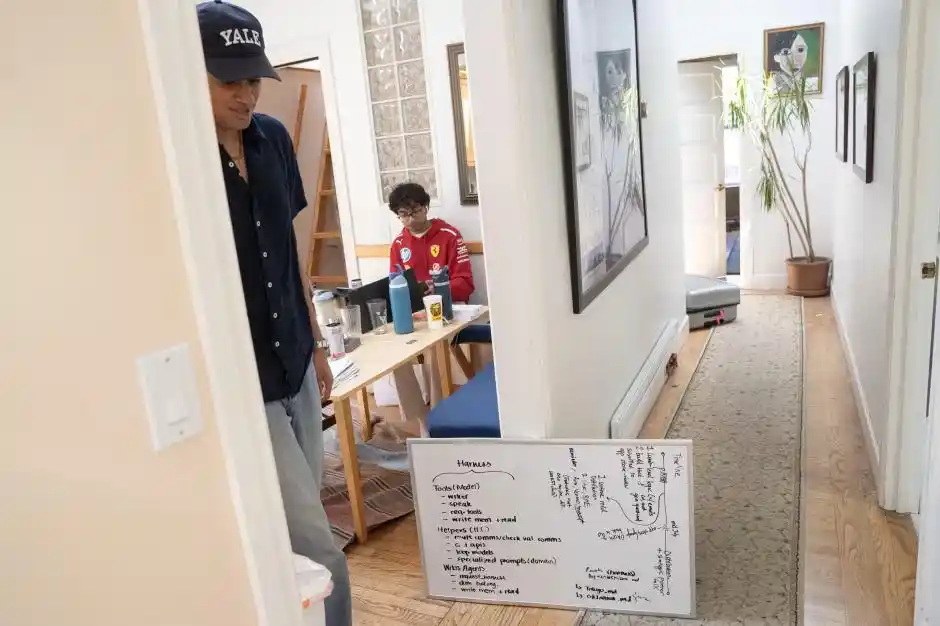
The report says San Francisco looked a little different this summer. Students from the Ivy League, Stanford University, and the Massachusetts Institute of Technology turned down internship offers from big tech firms and investment banks, then moved into what are known as hacker houses. Some were not even sure they would go back to school once the summer ended.
Princeton student launched an AI startup in four weeks
The article points to Princeton student Charles Muehlberger as a case in point. He did not take the standard path. He started building instead. Four weeks later, he had launched his own AI startup and flown to Barcelona to pitch a plan for deploying open-source AI models offline on local devices.
He also chose to take a year off from school. Muehlberger said, "The people who start building now are the ones who will have a voice in shaping the future."
The old elite career track is losing its pull
For decades, the script for top students barely changed: get an internship at a prestigious company, turn that into a full-time job after graduation, then keep moving up. Finance, consulting, and large technology firms were seen as the three dependable lanes.
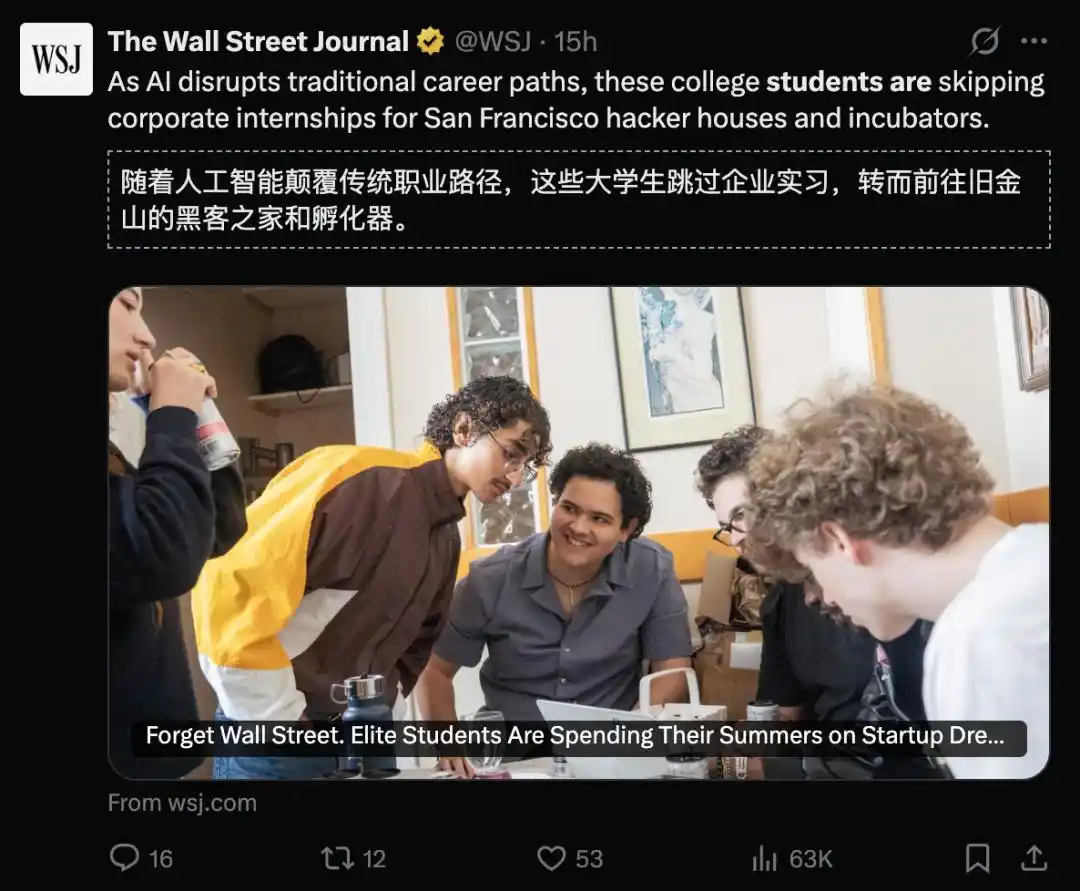
The article says lines like “I interned at Goldman Sachs” or “I interned at Google” carried huge status in elite university circles. At alumni dinners linked to Harvard University and the Wharton School, people often opened their self-introductions with the name of the institution where they worked. Elite school plus blue-chip employer. That pairing had long been treated as a reliable formula.
Now AI is putting that formula under pressure, and software engineering is getting hit most directly. Computer science used to look like the safest option for technical students, with starting pay at major firms often reaching six figures in U.S. dollars. The report says tools like Cursor, Copilot, and Claude Code have changed the math, letting one person with AI handle work that used to require three junior engineers.
So students like Muehlberger are making a different bet. Instead of becoming a replaceable piece inside a huge company, they would rather build the machine themselves.
Hacker houses offer beds, mentors and startup support
According to the report, these hacker houses and incubators are scattered across San Francisco’s Mission District and SoMa. The barrier to get in is fairly low. The package is wide: free housing, mentorship, and access to founder networks.

Some incubators also offer small amounts of startup funding and legal help, with the goal of stripping away as much operating friction as they can. In return, participants are expected to go all in on an AI startup project.
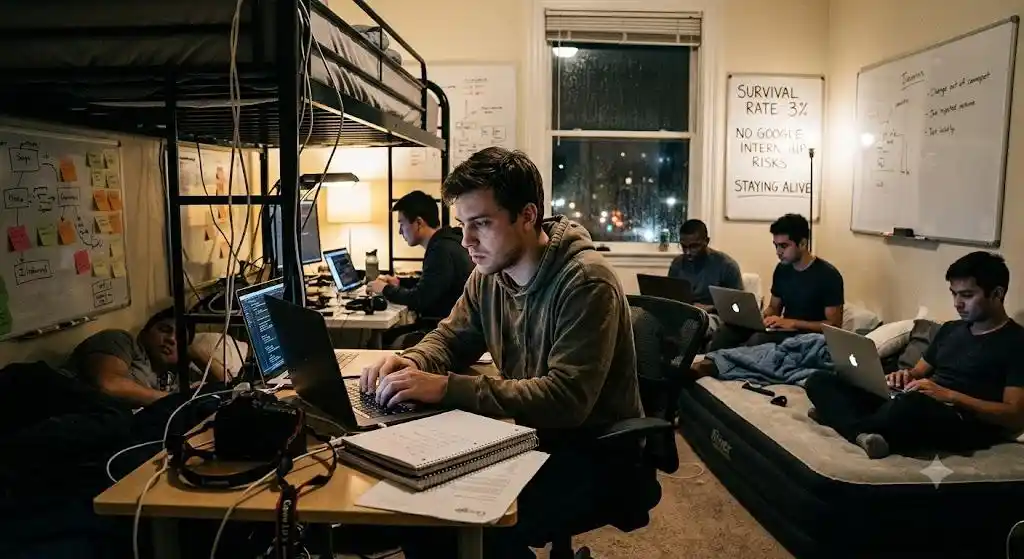
No salary. No big-company title. No polished brand name to post on LinkedIn. What they usually get instead is a bed, a computer, and a room full of peers who are just as nervous and just as fired up.
The article says that is what makes these places different from ordinary dorms. Nobody was assigned to be there. Everybody gave up a more comfortable option and picked the bunk bed on purpose.
A pace built around shipping, testing and iteration
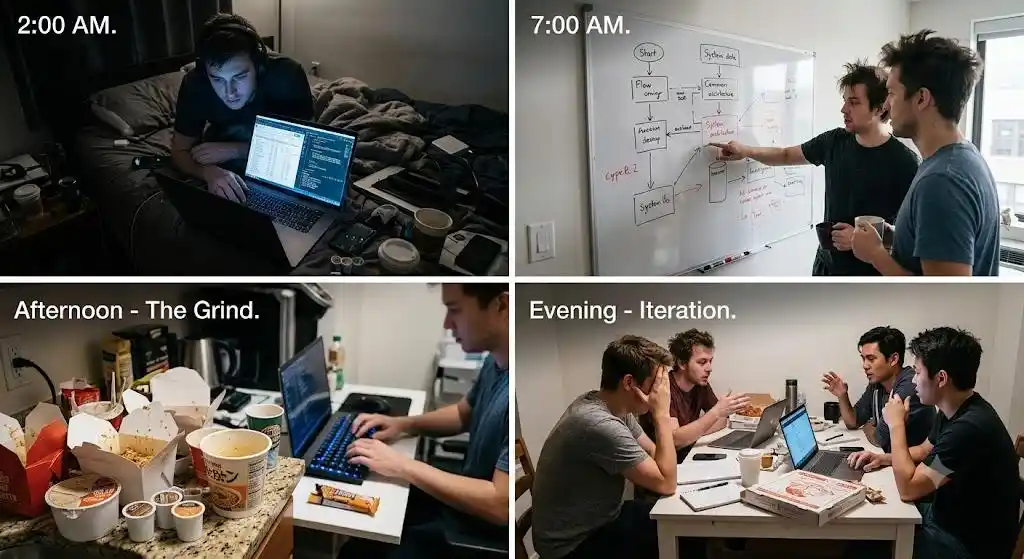
The report describes a routine that starts before most offices open and ends long after they shut down. At 2 a.m., someone is still tuning model parameters. By 7 a.m., another founder is already at a whiteboard sketching system architecture. Half-eaten takeout boxes stack up in the kitchen because nobody has time to cook.

The daily rhythm does not look like life inside a large company. At 9 a.m., people argue about product direction. At noon, real users test the idea. The afternoon goes to coding and model tuning. The evening is for reviewing results and rewriting the plan overnight. Seven days a week. A demo is expected after one month, and investor meetings can arrive in two.
One line has become common inside these houses: "What you learn in one month here is more than what you learn in a full semester sitting in a lecture hall." Another founder quoted in the article said university teaches a system of knowledge, while hacker houses teach survival instinct, and that the gap between them looks like the gap between a simulator and live ammunition.
Some universities are backing the trend
The article says some of these efforts already have support from top universities. Princeton AI Lab has organized founder demo events that connect students with investors. Stanford’s startup semester program lets students work full time on a startup for one semester without dropping out.
Universities, the report says, have accepted an uncomfortable reality: if they do not engage with this trend, students may simply leave.
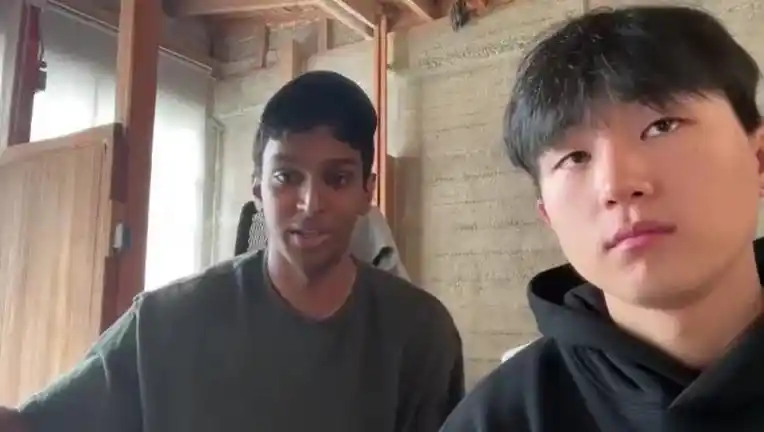
It also points to an earlier example from last year, when two 21-year-old Ivy League dropouts started an AI company in the Bay Area and raised several million dollars within months. Stories like that travel fast on campus. And they chip away at the old message that students need to finish school before trying to build something in the world.
The risks are real, and so is the competition
The article is also clear about the downside. Most AI startups fail within 12 months. For students without internship experience at major firms, a failed startup attempt can make it tougher to get back onto the traditional recruiting track. Taking a year away from school also comes with a real opportunity cost.
Family pressure is another barrier. The report says that when students tell their parents they are giving up a Google internship to live in bunk beds and work on a startup, the usual response is silence first, then a video call.
And the competition inside these houses is fierce. The article says they are full of people who are just as smart and just as driven. A student who thinks they have the best idea may discover that the Stanford PhD in the next bed has already built a better prototype.
There is no HR department screening out rivals, and no structured interview process to make the fight feel gentler. The market is the interviewer. The product is the answer sheet.
An incubator mentor put the odds at 3%
One incubator mentor, speaking privately in the article, said: "Out of 100 people here, maybe only 3 will actually build something real. But what those 3 achieve will make the other 97 feel like they should have come too."
The piece presents that as a 3% success rate, roughly in line with early-stage venture investing. Even so, almost everybody believes they will be part of that small group.
Leaving certainty, not competition
The article goes back to Muehlberger with a simple bet: in an AI window, speed may matter more than credentials.
What stands out in this shift is the direction of the move. These students are not walking away from competition. San Francisco is no less competitive than Wall Street, and hacker houses are no less demanding than investment banks. They are not escaping pressure either.
But the report argues that what they are really leaving behind is certainty. In that sense, they are using one kind of uncertainty to hedge against another.
It ends by saying the flow of elite talent is changing in structural ways: from large companies to startups, from stable salaries to equity bets, and from corporate ladders to the open ground of entrepreneurship. The article compares this moment to 2007, when the iPhone launch pulled many of the brightest young people into mobile internet startups. This time, it says, the AI window may be shorter and the stakes may be higher.
The original article was published by the WeChat account Xinzhiyuan and written by ASI Qishilu.



