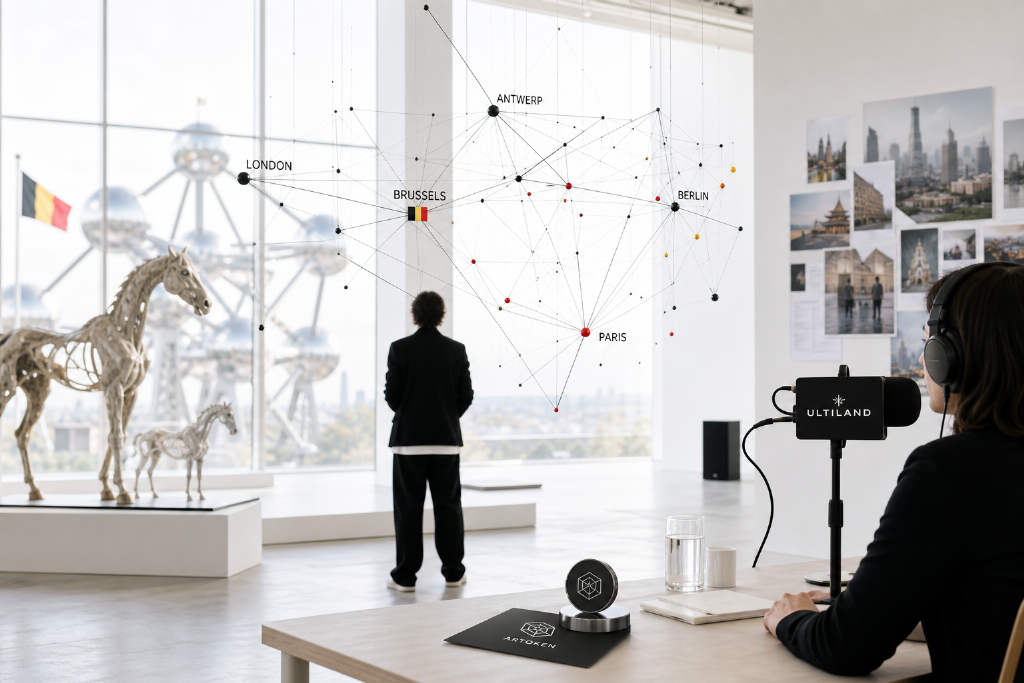
Foresight has published a recap of a previous ULTILAND podcast episode, The Creative Edge, featuring Belgian artist Stef, the creator of L'Ecurie de Marcelo, and ULTILAND ecosystem lead Loven. The conversation covered Europe’s art ecosystem, differences between Asian and European creators, the line between art and design, the role of AI in creative work, and how ARToken is positioned to support that model.
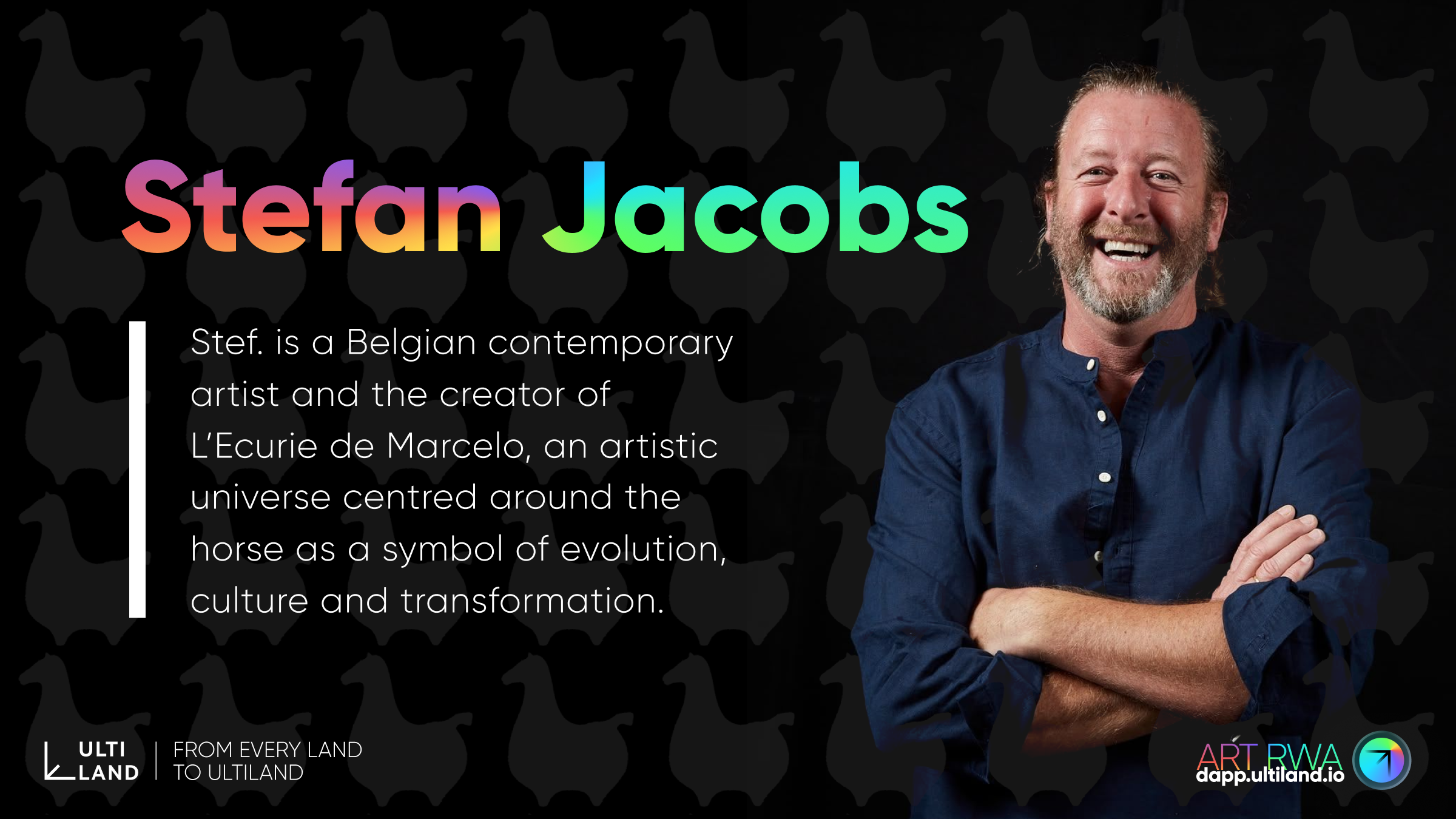
Stef and the world of L'Ecurie de Marcelo
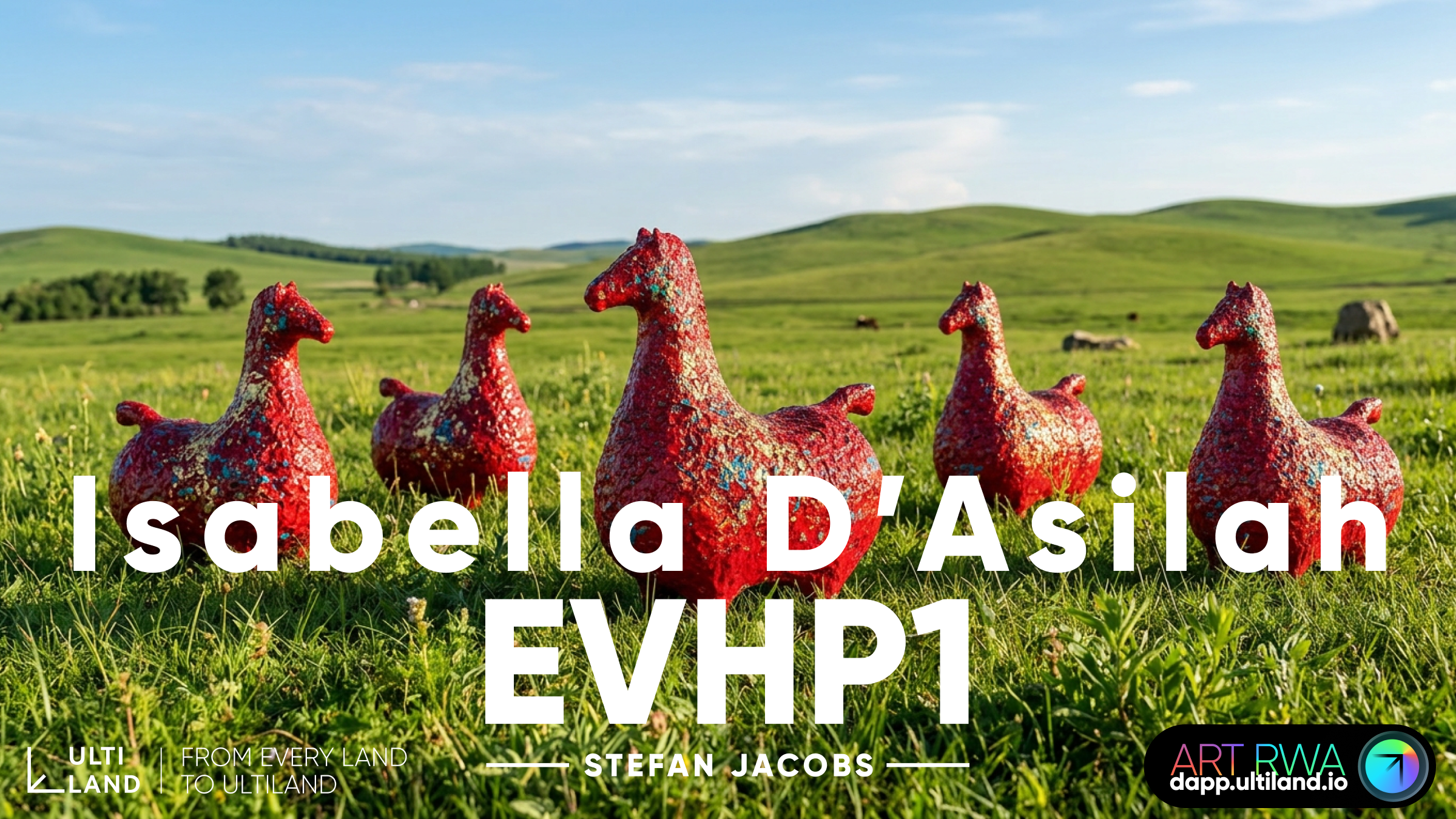
The recap describes Stefan Jacobs as a Belgian contemporary artist and the creator of L’Ecurie de Marcelo, an artistic universe that uses the horse as a symbol of evolution, culture and transformation.
At the center of that body of work is Evohippus, a fictional horse species that evolves through encounters with different cultures, materials and traditions. Rather than repeating a fixed visual language, Stef lets the work mutate as it travels, building links across art, design, craft and contemporary culture.
The article also notes that he comes from four generations of printers and has close to three decades of creative practice, combining traditional craftsmanship with an experimental and distinctly international approach.
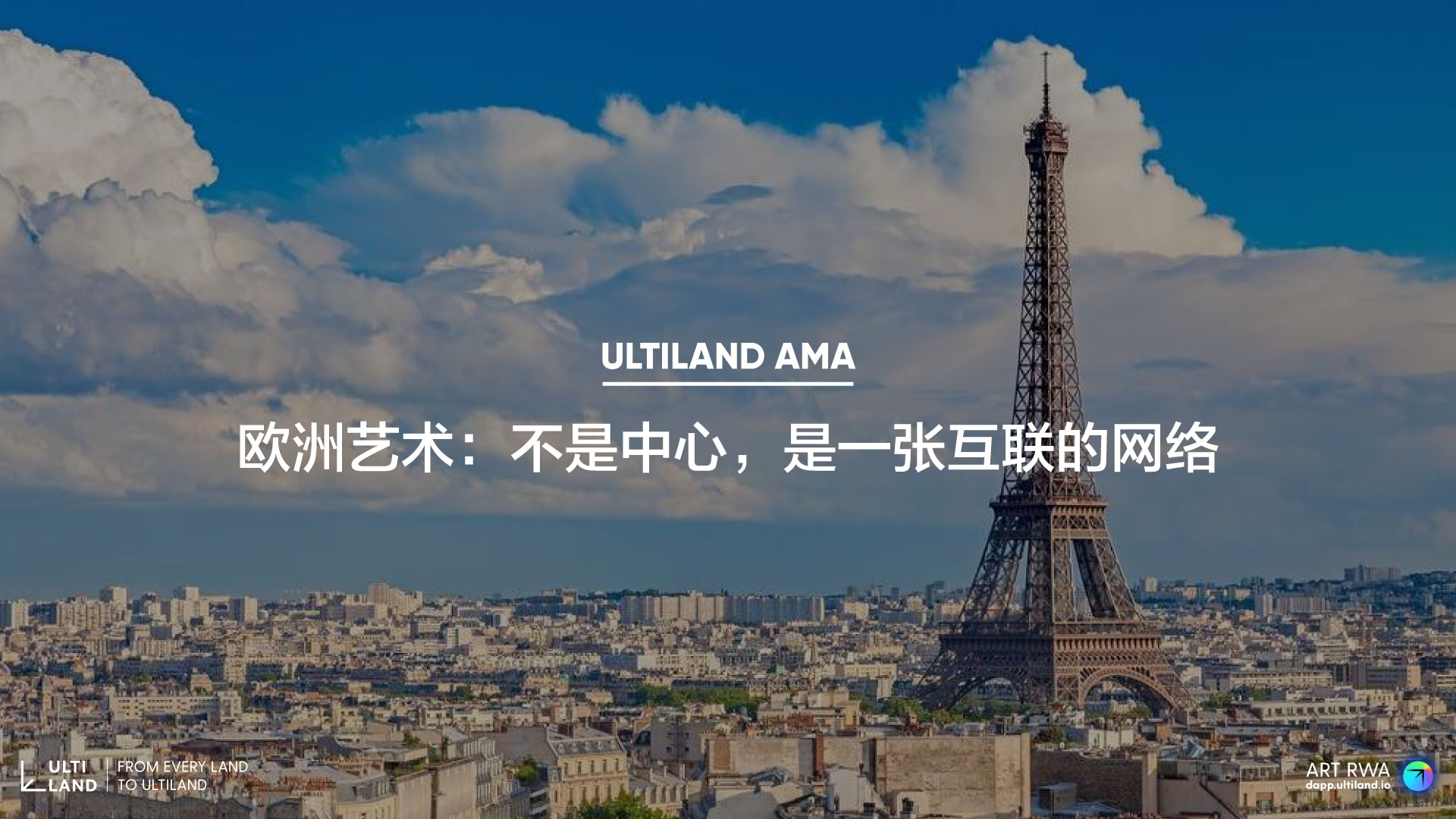
A map of Europe made up of distinct nodes
Asked to describe the art network he has worked in for decades, Stef began with Antwerp, which he called his starting point. He described the city as quiet, serious and even slightly secretive. It has diamond trading and a fashion academy, and while the art circle is not large, it is intense. People know one another, and reputation builds slowly over time.
Brussels, in his account, is shaped more by institutions. He pointed to European Union funding, biennials and the administrative side of cultural grants, saying patience and paperwork both matter there.
Paris, he said, carries heavy history. With countless galleries and collectors, it places artists in the shadow of earlier movements and masters. Creating there means feeling that artistic legacy pressing on the present.
Berlin, by contrast, was described as chaotic and full of life, with cheap studios and experimental energy drawing artists from around the world. According to Stef, the city is less concerned with whether a work sells than with whether an artist enters the larger artistic conversation.
London, he said, is the market in its clearest form, tied to auction houses, global reach and real money. Brexit has made the movement of works and people more complicated, but he said London remains a place where large transactions still happen, only with more friction than before.
For younger artists, Stef said, the decision is not simply whether to “go to Europe,” but which gravitational field to enter. Creators move between cities: studying in Amsterdam, taking a residency in Lisbon, staging a first major exhibition in Milan, and closing deals in London. Physical borders may be blurred, but each node speaks its own cultural language and carries its own implied rules.
Different cities, different terms of entry
He gave a concrete example. In Belgium, a gallerist may spend three years getting to know an artist before offering a solo show, with studio visits, dinners and long conversations slowly building trust. In London, a single studio visit may be enough to decide whether to work together. Berlin can operate by another logic entirely: a city may never sell the work, but it may write about it, discuss it and place the artist inside a core discourse.
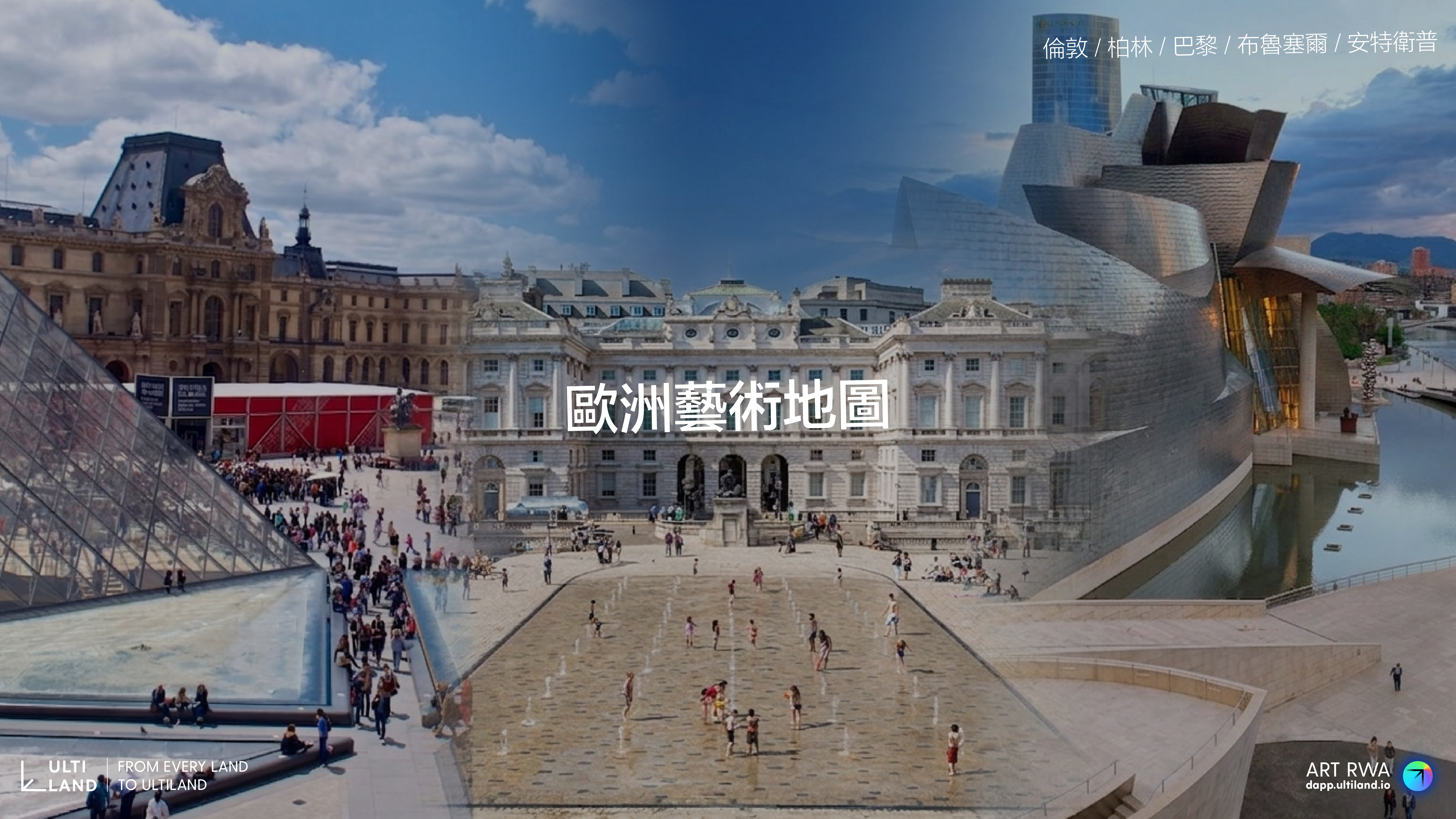
That contrast, he argued, teaches resilience. There is no single art world, only many parallel art worlds, and each artist has to carve out a path through them.
Art and design as parts of the same practice
When the host raised Stef’s background in graphic design before his move into fine art, Stef said art and design are fundamentally the same thing. In his view, the split is taught and reinforced by institutions that frame design as functional and art as expressive, with one solving problems and the other posing them.
He pointed to Korean brand spaces, Japanese product packaging and M+ exhibition design as examples. The best design, he said, already functions as art, and the best art carries design thinking within it. Both involve choices about form, color, space and emotion.
In his own process, each sculpture begins with a design question: how should the horse stand, and how is the weight distributed? It then moves toward an artistic question: what does that horse mean? Stef described that movement from problem to meaning as the bridge he wants to teach.
Looking ahead, he said the boundary between art and design will disappear. Younger creators, in his view, will stop asking whether they are artists or designers and instead ask what they want to make and what tools they need. Those tools will be mixed, spanning digital and physical, precision and chaos, planning and accident. The people who can move between both worlds will be the ones who last.
What Stef sees in Asia
The host noted that Stef has spent years working with Asian creators and has been to Hong Kong, Shanghai, Seoul and Bangkok. Asked what he sees there that much of the Western art world misses, Stef said he sees astonishing technical skill and discipline. Students can draw with precision, design with tight control and execute at a very high standard.
But when he asks them to make something “ugly,” or to attempt a piece that might fail, they often freeze. He linked that hesitation to education systems, family expectations and cultural pressure that push people to get things right and to get them right the first time.
That environment, he said, can produce top craftsmen, but not always true creators, because creation begins in the unknown and requires a willingness to step into uncertainty.
What he wants to offer is what he called permission to fail. In that space, the first four attempts can be a mess, because the fifth may be the one that surprises everyone. Failure is not recorded, scored or remembered. It is simply part of the process. Stef said this is what creative freedom means. He did not frame it as a flaw in Asian creators, but as the result of training that favors execution over exploration.
A coaching course for blocked creators
Stef said he plans to launch a creative coaching course for people who feel blocked: designers who have lost inspiration, artists who stopped making work, students who have never dared to begin, and professionals who spend their time serving clients and no longer know how to create for themselves.
Each class will run for four hours and will not follow a fixed syllabus. He said he will begin with one question: “What are you afraid of?” The session then develops from there. He plans to bring paint, paper, found objects and digital tools, and to watch what participants actually reach for rather than what they think they are supposed to choose.
He said he will not critique the work. “I only witness, mirror and ask questions,” was how he described his role. He said he would never tell someone “this is good” or “change this,” because that language belongs to galleries and institutions. His aim is not to train artists for the market, but to help people hear their own voice.
The first round is planned for four cities: Hong Kong, Shanghai, Seoul and Bangkok. Stef said he will not disclose the venues because he does not want to attract the gallery circuit. He wants to find what he called “the hidden people” — those who have stopped creating, or those who create quietly after work. He said they will find him through word of mouth, communities and people who have heard him speak.
He also said there will be no galleries, no press release and no institutional partnership. The course is intended for ordinary people, especially those who feel excluded from the art world because they lack elite school credentials, connections or enough savings. He said he came from a printing-worker family rather than an art dynasty and had to “build a door” for himself when none was opened for him.
European depth, Asian speed
The host framed Europe as a place that cultivates depth and Asia as one that produces speed, then asked what happens when those rhythms meet inside Stef’s course. His answer was simple: “That is alchemy.”
He described European depth as slowness, doubt and a willingness to spend years on uncertain work. He described Asian speed as discipline, technique and a drive to execute. His course, he said, places Europe’s permission to fail inside Asia’s disciplined context.
In his telling, Asian creators do not lose precision in that process. They gain freedom inside it. “Precision without freedom is a cage, and freedom without precision is chaos,” he said. The future belongs to creators who can hold both: people who can execute with skill while still embracing surprise, and design with rigor while creating without restraint.
How Loven described ARToken
The conversation later turned to ARToken. The host noted that Stef’s model bypasses galleries and institutions and asked how ARToken makes that sustainable.
Loven said the structure Stef is building — artist-led coaching without gatekeepers — matches ARToken’s original design. Under a traditional model, he said, an artist who wants to teach independently usually has two options: charge high tuition and limit participation, or seek backing from an institution. ARToken, in his description, changes that logic.
Holding ARToken, he said, does not mean buying a sculpture through a dealer. It means participating directly in Stef’s creative universe, including the coaching sessions, behind-the-scenes creation, priority access to new works and a voice in community decisions.
When the host asked whether token holders are effectively supporting the courses, Loven said they are supporting “freedom.” In his framing, community support allows Stef to avoid pleasing galleries or compromising his creative ideas to cover rent. In return, supporters receive things galleries cannot sell: the full process, including hesitation, accidents and the human reality inside the work.
Loven also said the model is global from day one. A creator in Bangkok, a student in Nairobi and a designer in Seoul can participate on equal terms, without living in Antwerp or knowing a gallery owner. “Blockchain doesn’t care about your zip code,” he said.
What remains human in the age of AI
On AI, the host noted that image generation now takes only seconds and asked where that leaves human creators. Stef said AI is a tool, like the printing press or photography. The real question is not whether it replaces artists, but whether it amplifies them or stands in for them.
AI can generate images, he said, but it cannot generate care. He pointed to the three months he may spend on a single work, the mornings of entering the studio without knowing what will happen, and the nights of exhaustion that still change the person making the work. Those experiences, in his view, cannot be replicated.
He put it more sharply in one line: “AI has no doubt. And art without doubt is only decoration.”
At the same time, he said AI creates an opening. It can handle repetitive, commercial and decorative tasks, leaving humans free to do the things only they can do: wrestle with meaning. It can also make people bolder about failure. If AI can already produce a version that is “good enough,” then human creators can take risks on ideas that might not work at all.
What he wants to teach, he said, is not how to use AI, but how to be more human than AI by embracing doubt, accident and deviation — the qualities he sees as impossible to replace.
The closing message of the recap
The article ends with a reflection that the key to creation has always been in the creator’s own hands. It is the thing someone still loves doing when nobody is watching, the thing they are already making before anyone else decides whether it is good, valuable or viable.
It closes by placing several trends side by side: European depth meeting Asian speed, the fading line between art and design, and complementarity between AI and human nature. The conclusion in the recap is that the future of creation belongs to people willing to begin, willing to fail and willing to remain themselves.
The original article also carried a disclaimer that markets involve risk and that the piece does not constitute investment advice.