‹ BackNewsULTILAND

ULTILAND

Singapore
2026-09-03 08:24:43

Why Singapore Is Emerging as a Gateway to Southeast Asian Art

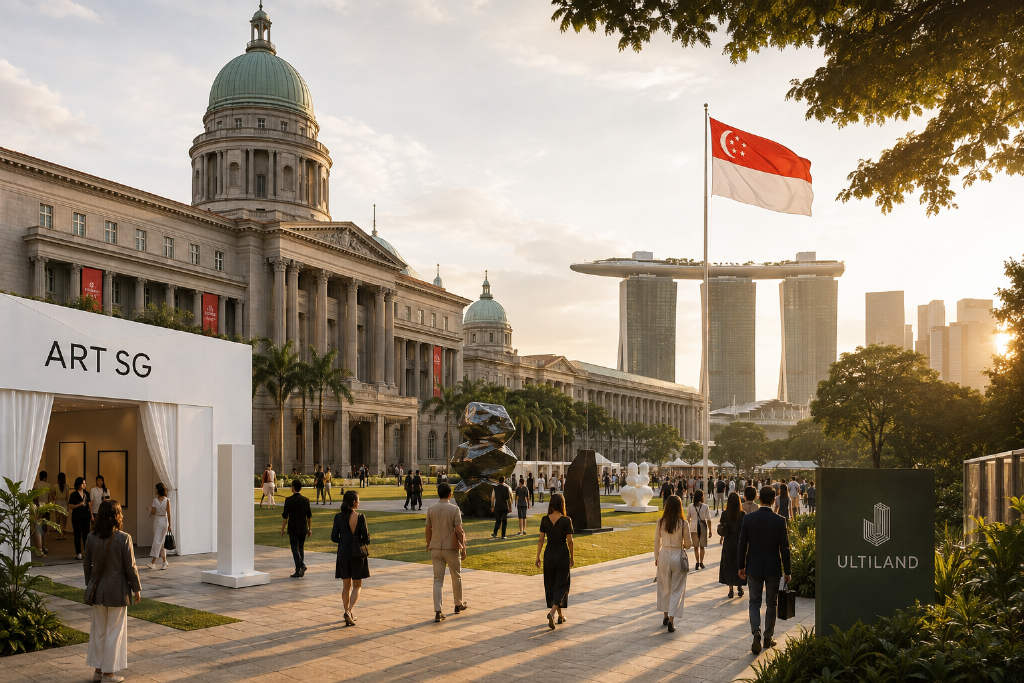
Singapore is gaining weight on the global art map not because it has the region’s largest domestic collector base, but because it has built itself into a strategic entry point for Southeast Asia. In a discussion organized from a past ULTILAND AMA, host speakers Hannah, head of ULTILAND’s art project, and co-founder Tangtang described the city-state’s rise through three factors repeatedly tied together in the conversation: location, international connectivity, and capital. They argued that Singapore’s value lies in functioning as a standardized regional platform for galleries, collectors, institutions, and service providers trying to engage with Southeast Asia’s fragmented markets. The conversation traced that role through major institutions and events, including Singapore Art Week, ART SG, and National Gallery Singapore. It also examined how spaces such as Gillman Barracks and Tanjong Pagar Distripark reflect the city’s shifting cultural infrastructure. Beyond Singapore itself, the speakers placed the city within a wider Southeast Asian network linking artists from Indonesia, the Philippines, Thailand, Vietnam, and Malaysia to global collectors and institutions. Their conclusion was clear: Singapore does not need to become another Hong Kong or Tokyo. Its strength is in acting as a hub that connects regional art histories, urban strategy, private wealth, and contemporary artistic production.

530
Why Singapore Is Emerging as a Gateway to Southeast Asian Art
Tokyo
2026-08-26 08:00:21

Tokyo’s art network runs from Roppongi museums to Akihabara subculture, ULTILAND says

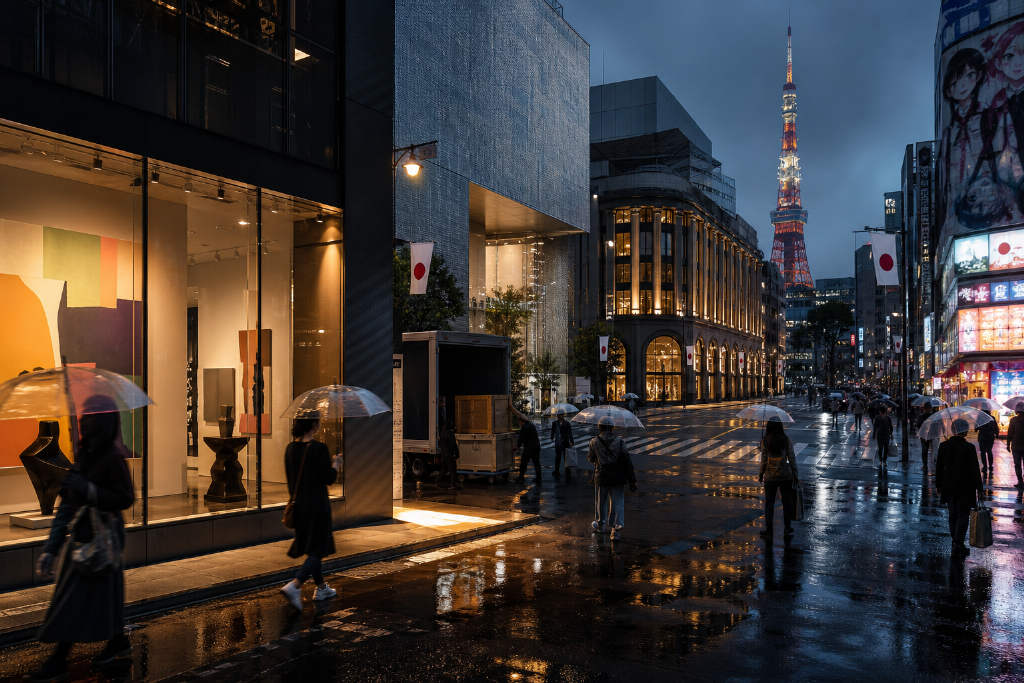
A past AMA session organized by ULTILAND framed Tokyo not as a city defined by a few famous districts, but as a layered cultural system where museums, commercial galleries, design institutions, architecture, fashion, collectors, and subculture all feed into one another. In the discussion, art project lead Hannah and co-founder Tangtang argued that Tokyo stands apart from Hong Kong and Seoul because its art scene was built over decades and operates with unusual depth rather than around a single market engine. The conversation moved across key districts including Roppongi, Ginza, and Omotesando, pointing to Mori Art Museum, The National Art Center, Tokyo, and 21_21 DESIGN SIGHT as examples of how art and daily life intersect in the city. It also used Yayoi Kusama, Takashi Murakami, and Yoshitomo Nara to show three different paths from Tokyo into the global art world. On the market side, the speakers described Japan’s art ecosystem as stable and long-term, supported by private, corporate, museum, and gallery collecting. They also argued that anime, manga, gaming, and fan culture are not peripheral to Tokyo’s art identity but part of the visual culture that keeps generating new forms. In their comparison, Hong Kong connects capital and top collectors, Seoul links younger culture and fast-growing markets, while Tokyo ties together art, design, architecture, subculture, and long-term collecting.

640
Tokyo’s art network runs from Roppongi museums to Akihabara subculture, ULTILAND says
European Art
2026-08-21 06:00:00

ULTILAND podcast frames European art as a network and links creative freedom to ARToken

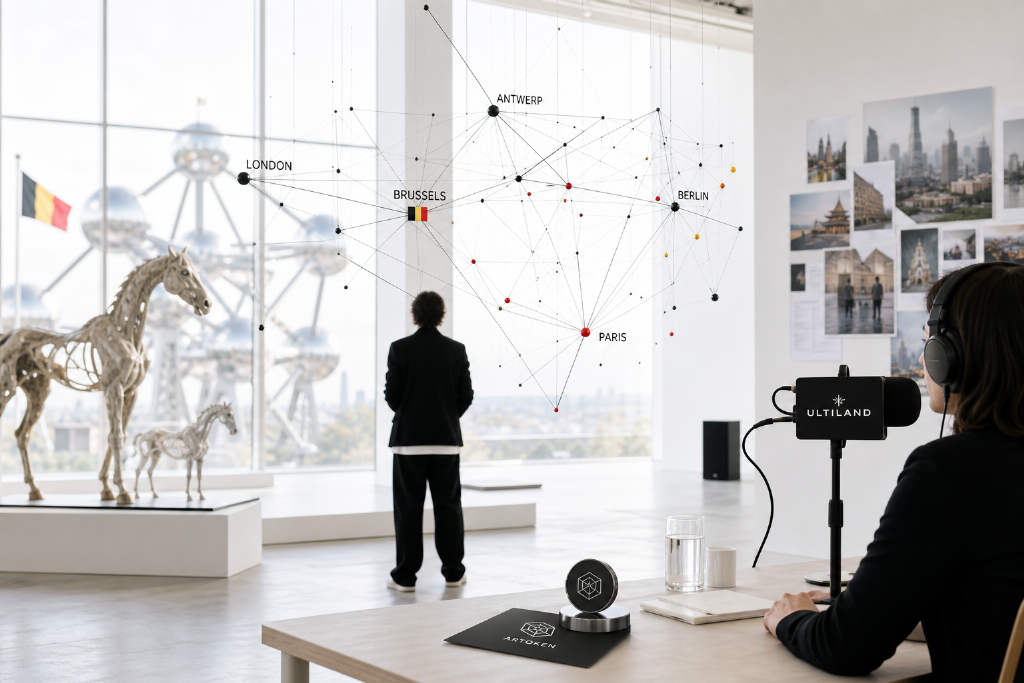
Foresight published a recap of an earlier ULTILAND podcast episode, "The Creative Edge," featuring Belgian artist Stef, creator of L'Ecurie de Marcelo, and ULTILAND ecosystem lead Loven. The discussion presented Europe’s art world not as a single capital-centered system, but as a network of cities including Antwerp, Brussels, Paris, Berlin and London, each with its own pace, rules and cultural code. Stef described how those cities shape different paths for artists, from long trust-building cycles in Belgium to market-driven decisions in London and discourse-focused visibility in Berlin. The conversation also focused on the relationship between art and design, with Stef arguing that the two were split apart by education and market structures rather than by any real creative boundary. He said young creators are likely to move across tools and methods instead of identifying rigidly as either artists or designers. Another major theme was the difference Stef sees in Asia, where he said creators often show strong technical discipline but may hesitate when asked to risk failure. He outlined a four-hour coaching format planned for Hong Kong, Shanghai, Seoul and Bangkok, built around open-ended experimentation rather than formal critique. Loven then tied that model to ARToken, saying token holders support direct artist-led creation and gain access to workshops, behind-the-scenes work, early experiences of new pieces and community decision-making. The episode closed with a broader discussion of AI, which Stef described as a tool that can generate images but not human doubt, care or meaning.

600
ULTILAND podcast frames European art as a network and links creative freedom to ARToken
South Korea a
2026-08-18 06:36:19

Korea’s art rise is being framed as a multi-city story, not just a Seoul narrative

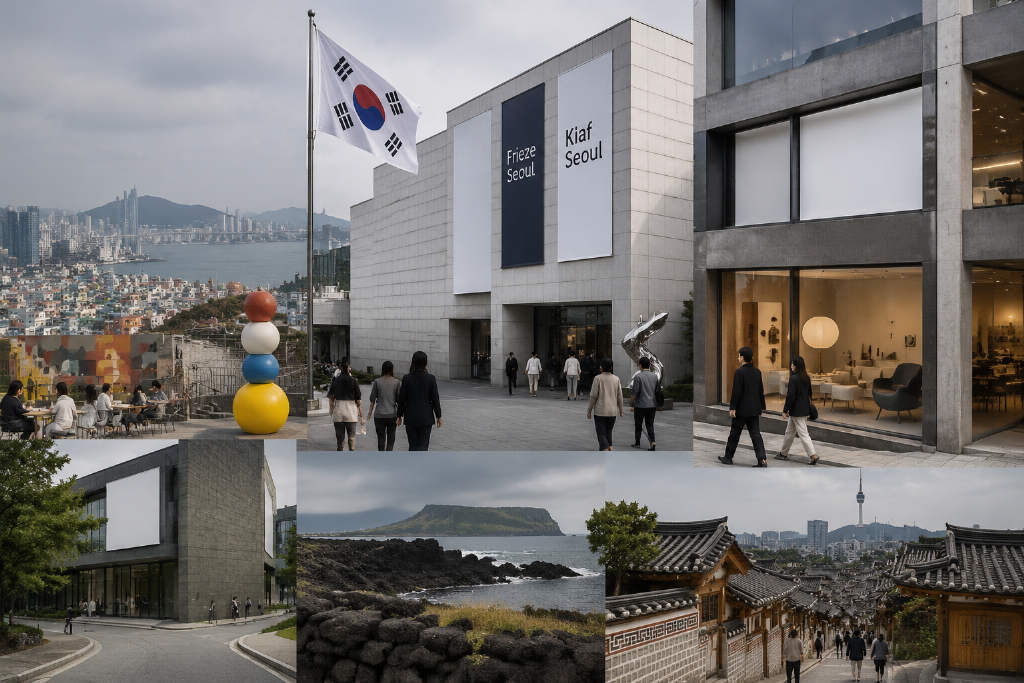
A Foresight feature, based on a past AMA organized by ULTILAND, argues that South Korea’s growing influence in contemporary art and creative design now extends well beyond the usual focus on Seoul. In the discussion, ULTILAND art project lead Hannah and co-founder Tangtang describe Korea’s ascent as the product of a broader cultural ecosystem built over time, one that includes museums, galleries, art schools, collectors, biennials, and a strong youth culture. They also point to the country’s global cultural export machine, from K-pop and film to fashion and beauty, as a factor that has drawn wider attention to Korean art, architecture, and design. The conversation maps Seoul through several distinct art districts, including Samcheong-dong and Bukchon, Hannam-dong, Gangnam and Cheongdam, and Seongsu-dong, while naming the National Museum of Modern and Contemporary Art and Leeum Museum as key institutions. It also highlights Frieze Seoul and Kiaf Seoul as a two-way link between international art systems and Korea’s domestic market. Beyond the capital, the speakers single out Gwangju, Busan, and Jeju as cities with different cultural logics, ranging from biennial-driven public discourse to coastal urban culture and nature-linked art spaces. The feature says Korea’s appeal lies not only in institutions or fairs, but in the way art is woven into everyday urban life.

590
Korea’s art rise is being framed as a multi-city story, not just a Seoul narrative
Hong Kong’s art scene runs year-round, not just during Art Basel