
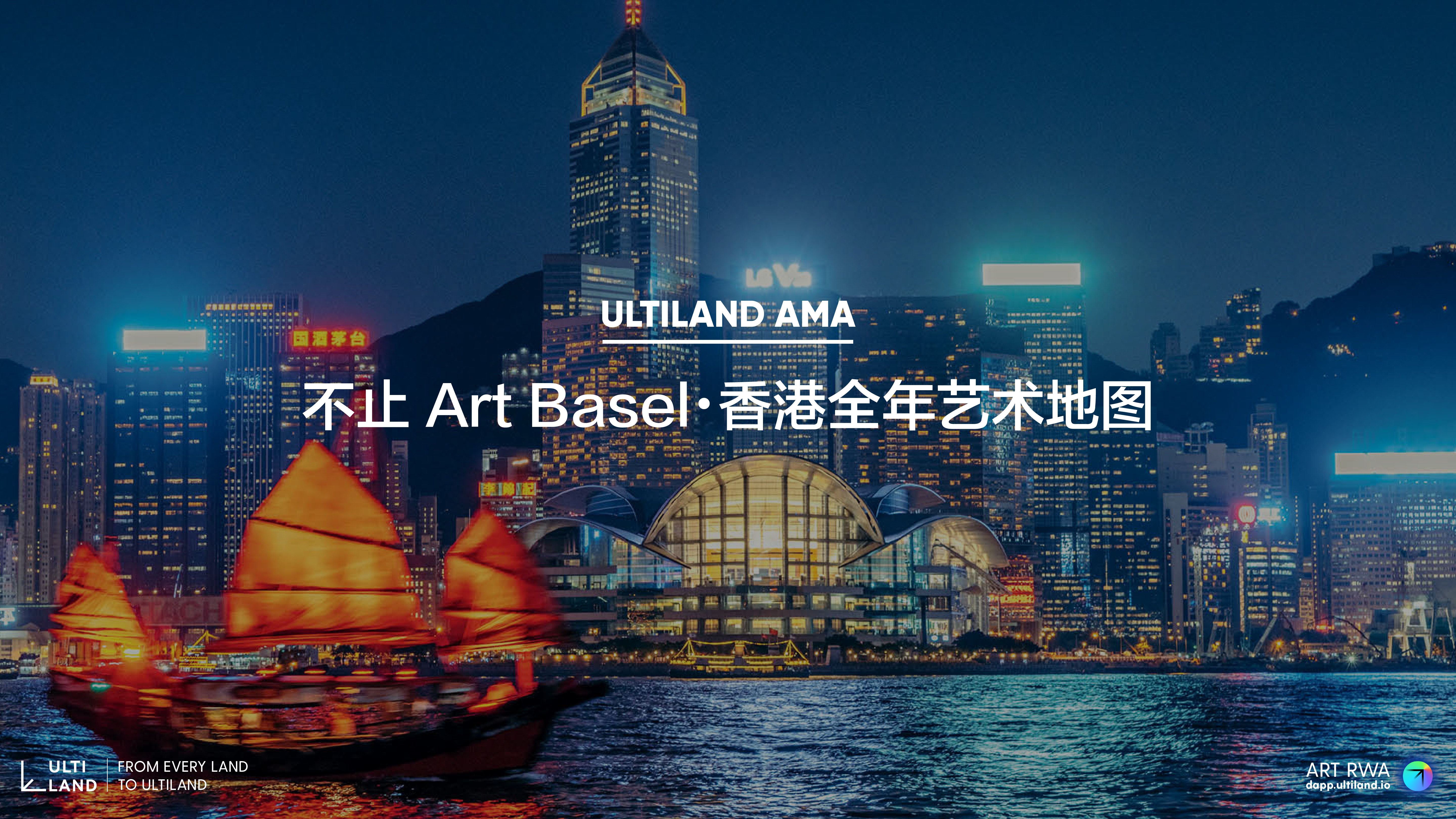
For many people, Hong Kong’s art scene begins with Art Basel in March. In a past AMA cited by Foresight, ULTILAND art project lead Hannah and co-founder Tangtang argued that the city’s appeal goes much deeper than a fair that lasts only a few days.
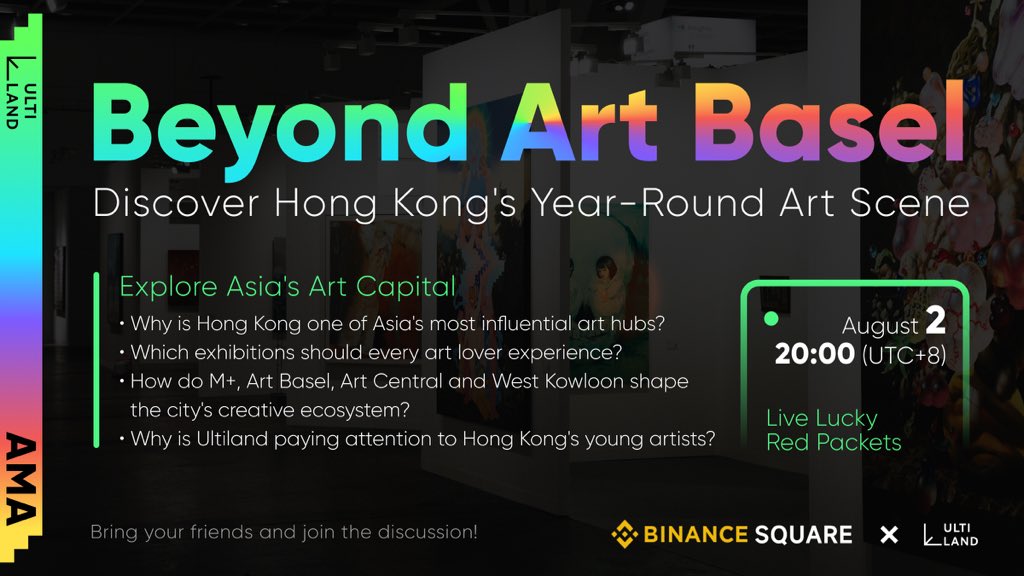
The discussion covered why Hong Kong became a major Asian art center, which spaces first-time visitors should pay attention to, how the city’s arts calendar extends through the year, what Hong Kong offers younger artists, and why ULTILAND has made the city a focus.
Why Hong Kong holds a central place in Asian art
Hannah said Hong Kong’s role rests on three main factors. The first is its geographic and cultural position. In her view, the city sits at a meeting point between East and West, carries a strong Chinese cultural foundation, and has long been connected to international art systems. Because of that, global art institutions often use Hong Kong as a gateway into Asia, while Asian artists use it to reach wider international networks.
She also pointed to the city’s mature market foundation. A functioning art ecosystem, she said, needs more than artists and exhibitions. It also depends on galleries, collectors, auction houses, art funds, media, and education. Hong Kong’s strengths in finance, commerce, and international exchange over past decades gave that market a strong base.
Another factor, she said, is a shift in the city’s cultural positioning in recent years. With the West Kowloon Cultural District, M+, and the Hong Kong Palace Museum opening in succession, Hong Kong is redefining itself. It is no longer framed only as a financial center or shopping destination, but also as a city that creates and circulates culture.
Asked whether Hong Kong is moving from an art trading center toward a broader cultural system, Hannah said yes. She described the city’s earlier edge as concentrated in auctions, galleries, and collecting, with many visitors coming mainly to buy art. Now, she said, Hong Kong is filling in other parts of the structure, including research, public display, cultural education, and support for younger creators.
Tangtang added that Hong Kong also has a deep collecting tradition. In her words, art markets need long-term support, and collector culture is built over decades rather than through the construction of a single museum. She said Hong Kong developed a mature collector base early on, with many entrepreneurs and private collectors staying active in the field for years. She compared that accumulated foundation with the more established ecosystems associated with cities such as New York and Paris.
Art spaces the speakers said first-time visitors should not miss
When asked where a newcomer should start, Hannah named M+ first. She said many people think of it simply as a contemporary art museum, but its stated focus is visual culture, spanning contemporary art, design, architecture, film, photography, and social culture. The institution, in her description, is concerned with how people look at the world in the present era.
For her, M+ matters because it gives Asia an international contemporary cultural platform of its own. In the past, she said, Asian artists often had to go to New York, London, or Paris to enter the global field. M+ changed that dynamic and, in turn, changed Hong Kong’s cultural positioning.
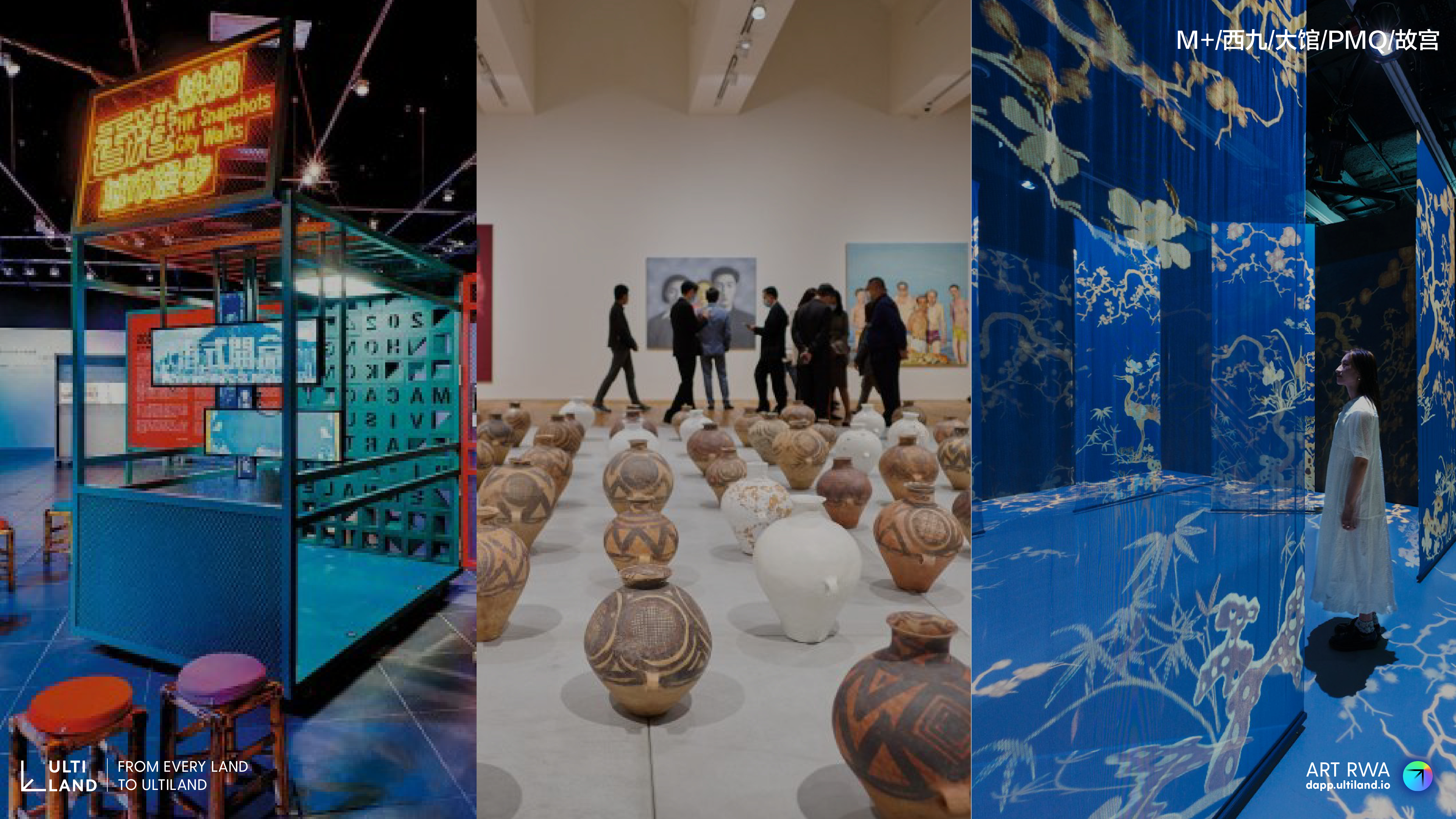
Tangtang then pointed to the West Kowloon Cultural District as a destination in itself. She said it is not a single museum but a whole cultural ecosystem, bringing together M+, the Hong Kong Palace Museum, performing arts venues, and public art zones. That structure reflects a broader shift, she said: art no longer exists only inside exhibition halls but can move into everyday urban life.
On traditional culture, Hannah highlighted the Hong Kong Palace Museum. She said its distinctiveness lies in presenting traditional Chinese culture through an international lens. Rather than preserving traditional art in a static way, the museum uses new exhibition methods and technology to connect it with contemporary life and help younger audiences approach it again.
For a space that reflects Hong Kong’s historical and cultural layers, Hannah named Tai Kwun. She described it as a redevelopment of the former Central Police Station compound, built not around erasing the past but around giving history a new life. The site hosts contemporary art exhibitions, artist projects, and cultural events, linking historic architecture and urban memory with present-day art.
On younger design and creative communities, Tangtang named PMQ. She said that if M+ represents the height of Hong Kong’s contemporary culture, PMQ stands for its younger creative scene. It brings together independent designers, lifestyle brands, architectural design, fashion creativity, and youth entrepreneurship projects. She added that museums are no longer the only entry point into art for younger audiences; design products, branded spaces, and lifestyle settings now play that role too.
A year-round arts calendar that goes well beyond March
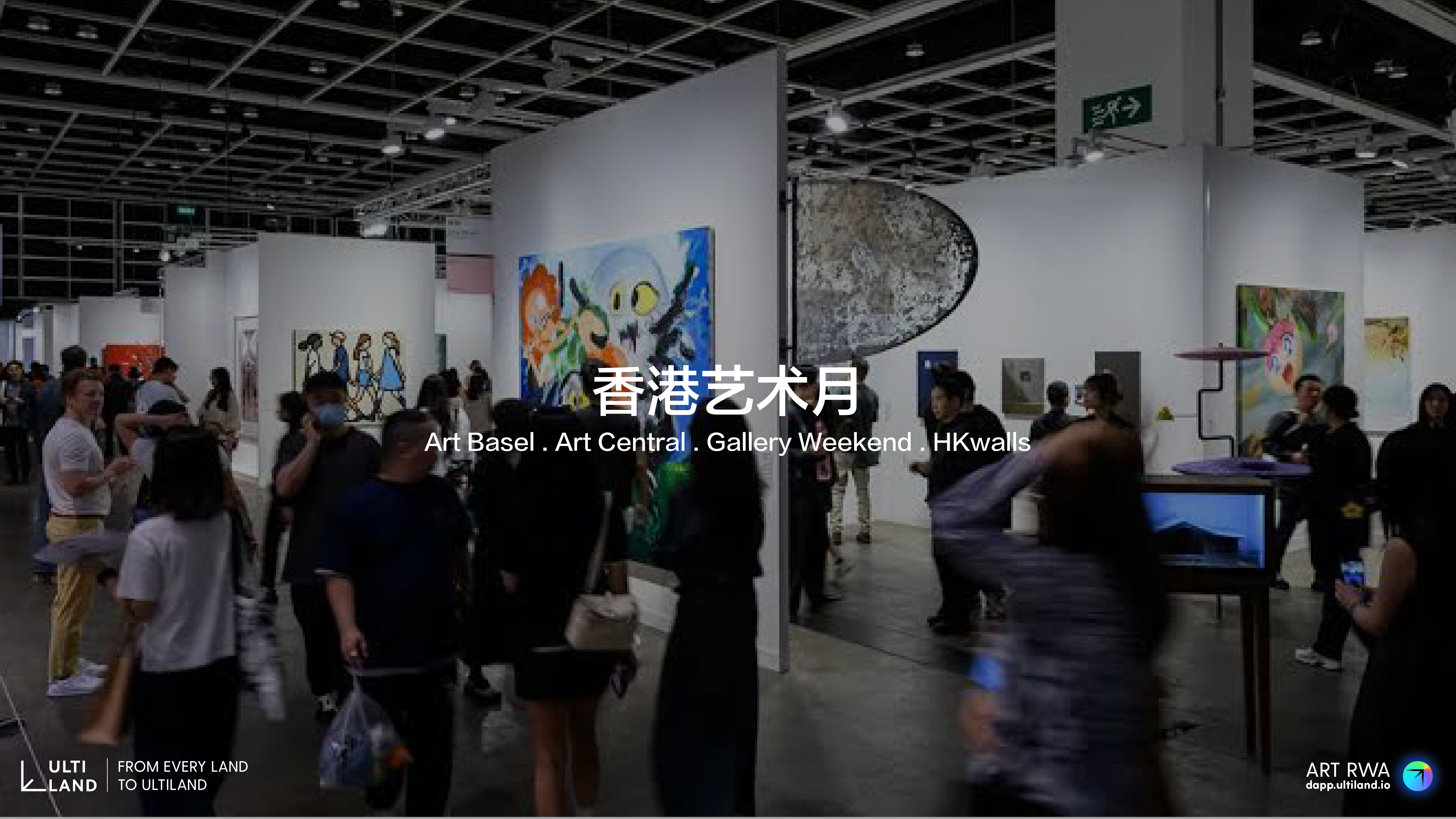
Tangtang said March is still the peak moment in Hong Kong’s art calendar, but it should not be reduced to Art Basel alone. She described it instead as a full Hong Kong Art Month, when the whole city shifts into an art mode. International exhibitions, gallery openings, art forums, collector exchanges, and special institutional programs all take place at the same time, with Art Basel at the center of that larger cluster.
She said Art Basel matters not only as a fair where works are sold, but as an annual gathering point for the global art industry. Top galleries, institutions, collectors, curators, and artists come together there to discuss which artists are drawing attention, how the field is moving, and where the market may be heading. She also said the event is worth attending for the general public, because it lets visitors see works from different regions and cultural backgrounds in a short period of time, almost like a condensed global museum of contemporary art. She noted that design, fashion trends, digital art, and installation work that younger audiences follow can all be found there as well.
The AMA also turned to Art Central. Hannah said that if Art Basel is the central stage of the global art market, Art Central is younger and more open, with a stronger emphasis on emerging artists, newer galleries, and experimental projects. In her view, a healthy ecosystem cannot rely only on established names; it also needs a steady flow of new voices.
For an event that sits closer to the inner workings of the art community, Tangtang mentioned Gallery Weekend Hong Kong. She described it as a way to move deeper into the city’s art community, letting the public enter different galleries, art spaces, and artist projects to understand how the ecosystem runs day to day. She said galleries remain a key link between creation, exhibition, collecting, and the market, so anyone trying to understand Hong Kong’s art world cannot stop at large fairs alone.
Outside visual art, Hannah brought up the Hong Kong Arts Festival. Although it is not centered on visual art, she said, it covers music, theater, dance, opera, and cross-disciplinary work, showing the maturity of the city’s cultural system. A real art city, in her view, needs more than museums and galleries. It also needs a public that is willing to attend concerts, visit exhibitions on weekends, join talks, and buy art books.
For street art and public art, Tangtang recommended HKwalls. She said the project takes art out of museums and onto the street, with artists creating large-scale murals directly in the city. That, she said, fits the way younger people often encounter art today. Many first meet it not in a museum, but on the street, on social media, at music festivals, or in trend-driven spaces.
Hannah also named Art@Harbour. She said public art is an important measure of a city’s cultural maturity. Hong Kong’s skyline, harbor, and historic architecture give it a distinctive urban setting, and once art enters those public spaces, it becomes part of the city’s memory rather than something viewed only in isolation.
For the autumn and winter season, Hannah pointed to Fine Art Asia. She said it focuses on Asian art, Chinese art, antiques, and jewelry art. For her, one of Hong Kong’s more unusual strengths is that it holds both a mature contemporary art system and a mature traditional collecting system at the same time.
For people who want an easier path into collecting, Tangtang mentioned Affordable Art Fair Hong Kong. She said it lowers the threshold for art collecting, showing that collecting does not always require a large budget and can begin with younger artists or smaller works. In her view, a mature art city needs not only top collectors but also broad public participation.
In design, Hannah pointed to Business of Design Week, or BODW. She described it as an important Asian platform for design exchange, covering architecture, product design, brand design, innovation technology, and the creative industries. Today, she said, art is no longer limited to traditional media. Urban creativity appears in buildings, products, brands, and everyday lifestyles.
Tangtang also mentioned Design District Hong Kong, which she said brings design into neighborhoods and daily life. That shift, in her telling, shows how the boundary between art and design is becoming less distinct.
What Hong Kong offers younger artists
Asked what Hong Kong means for younger creators, Tangtang said the city’s biggest value is connection: connection between artists and markets, between Asia and the international field, and between creation and collecting. Many young artists, she said, do not lack creative ability; what they lack is visibility. Hong Kong can offer exhibitions, industry exchange, collector networks, and media exposure.
She added that people from around the world move through the city every day, including European collectors, Asian galleries, international curators, and artists from different countries. That constant exchange, she said, matters on its own for an artist’s growth.
Hannah said the most important thing for young artists is not simply entering the market, but finding their own artistic language. Hong Kong can provide a platform for contact with the wider world, she said, but how far an artist goes still depends on the work itself. Markets, trends, and technologies change. Artists with lasting vitality are those who continue to work through their own core questions.
Why ULTILAND is paying attention to Hong Kong
On why ULTILAND has focused on the city, Hannah said Hong Kong’s defining value of connection fits closely with what the team wants to build. ULTILAND, she said, is not looking only at art transactions. It is also looking at how younger artists can be discovered, how creators can connect with the public, and how promising talent can enter a larger art ecosystem.
She said younger artists have often faced the same problem: the work may be strong, but the opportunities to be seen are limited, and access to exhibitions, collecting systems, and international exchange remains unclear. ULTILAND hopes to help more young creators move into a more open environment, not just through online display but through real participation in exhibitions, exchanges, communities, and collecting structures.
Tangtang said the future of art will place more weight on openness. In her view, the market was long driven mainly by large institutions, top galleries, and professional collectors. Going forward, younger creators, digital platforms, art communities, and new forms of collecting will take on a larger role. She said the growth path for younger artists has already changed. Where recognition may once have taken decades, digital distribution, community links, and international platforms now offer more routes. She described ULTILAND’s aim as becoming a bridge between young artists and the wider world, with Hong Kong serving as a key stop.
As for concrete plans in Hong Kong, Hannah said the city is well suited to artistic exchange and that ULTILAND plans to explore more options around younger creators, including open calls, online showcases, artist exchange events, and offline art projects. She said the team plans to hold a youth art creator competition every three months to discover more emerging talent. She also said it hopes to organize offline exchange events in Hong Kong within the coming year so that young creators from different regions can meet face to face.
Tangtang said art in the future will place greater emphasis on community, exchange, and participation. Young artists need more than display platforms, she said; they also need opportunities to meet peers, collectors, institutions, and people from different cultural backgrounds. ULTILAND, in her description, wants to build not a simple publishing platform but an ecosystem in which young creators can grow together.
The city’s draw lies in daily cultural life
The conversation ended with a broader point: a real art city is not defined only by a handful of famous exhibitions. Its appeal depends on whether art is woven into daily life, whether new creators continue to emerge, and whether people remain willing to support art over time.
By that measure, the speakers said, Hong Kong’s value today lies not just in being a city where art is traded, but in being a city where creation, exchange, and connection keep taking place.