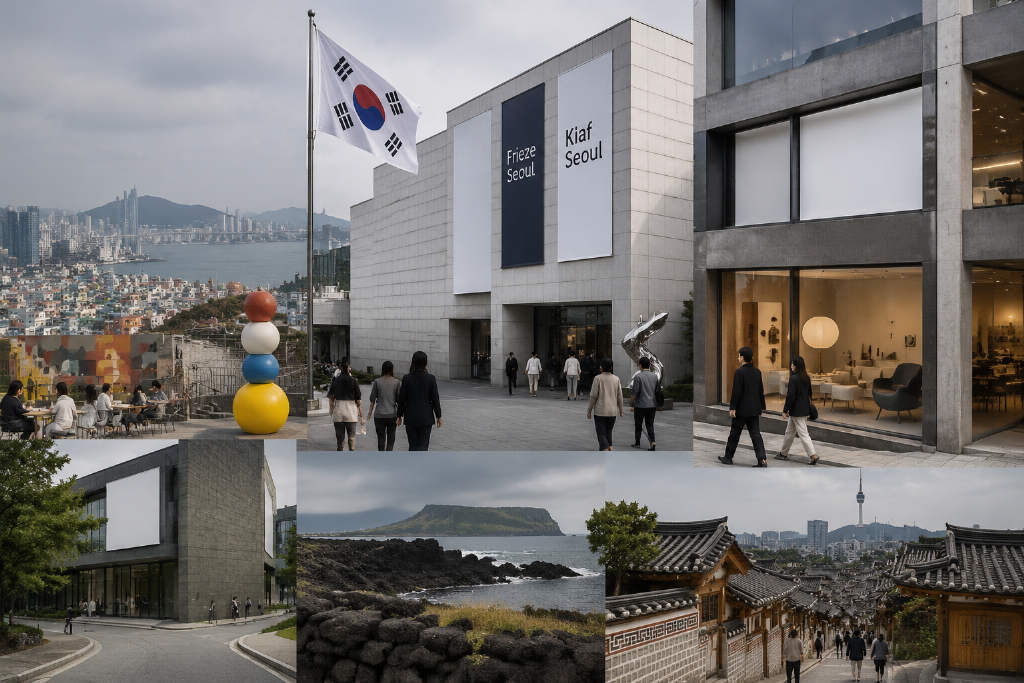
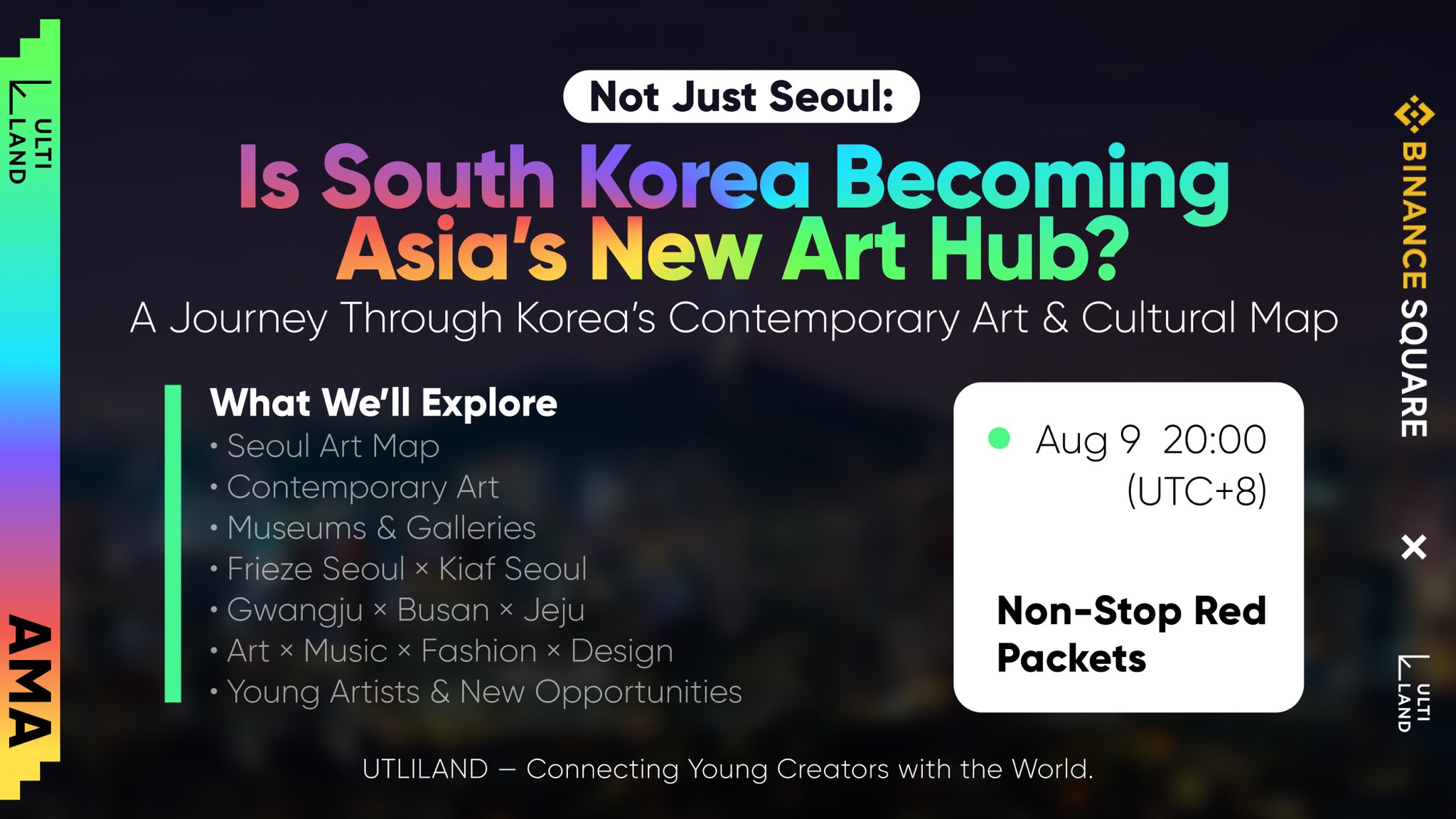
South Korea’s emergence as a major art destination in Asia is no longer being described as a Seoul-only story. In a feature published by Foresight and organized from a past AMA conversation by ULTILAND, art project lead Hannah and co-founder Tangtang said Korea’s appeal now rests on a broader cultural ecosystem that stretches from the capital to cities such as Gwangju, Busan, and Jeju.
The discussion says Korea’s international profile was once defined mainly by K-pop, television dramas, film, and beauty. In recent years, that visibility has widened to include contemporary art and creative design. Hannah said Korea’s stronger cultural export capacity over the past decade helped bring global attention not only to pop culture, but also to art, design, architecture, and younger artists working in the country.
Tangtang said Korea did not suddenly develop an art scene. She described the country as having already built up a mature structure that includes museums, galleries, art schools, artist communities, collectors, biennials, and an active youth culture. In her view, those elements were present before, but had not been seen as widely by global audiences as Korean popular culture had been.
Both speakers said Korea has also become effective at turning culture into a way of life. In their description, a day in Seoul can move from museums to design retail, performances, and design-driven cafes, with only loose boundaries between art, commerce, music, fashion, and daily life. The conversation argues that this integration is one of Korea’s stronger traits, especially at a time when younger audiences often encounter art through social media, branded spaces, festivals, shopping venues, and neighborhoods rather than through traditional institutions alone.
Seoul’s art map is split across several distinct zones
The AMA says first-time visitors interested in Korean art will still likely start in Seoul. But it stresses that the city does not operate as a single art center. Different areas reflect different layers of the country’s art ecosystem.
Samcheong-dong and Bukchon
Hannah said she is especially drawn to Samcheong-dong and Bukchon, which she sees as strong examples of Korea’s blend of tradition and the contemporary. The area combines hanok and older architecture with a dense concentration of galleries and art spaces showing current exhibitions.
She also said one of the key questions in Korean contemporary art is how artists approach “Koreanness.” In the conversation, she describes that not as the direct insertion of traditional symbols into artworks, but as a process of confronting history, identity, modernization, and globalization. She said that search for a distinct language is one reason Korean contemporary art has drawn more international attention.
MMCA as infrastructure
Tangtang said the National Museum of Modern and Contemporary Art, or MMCA, is essential for anyone trying to understand Korean contemporary art in a systematic way. She described MMCA as more than an exhibition venue, pointing to the way its sites in Seoul, Gwacheon, Deoksugung, and Cheongju work together across exhibitions, education, and residency programs.
For her, the strength of a country’s contemporary art system can often be judged through its museum, research, and collection structures. MMCA, she said, is a central part of that institutional base in Korea.
Hannam-dong and the Leeum Museum
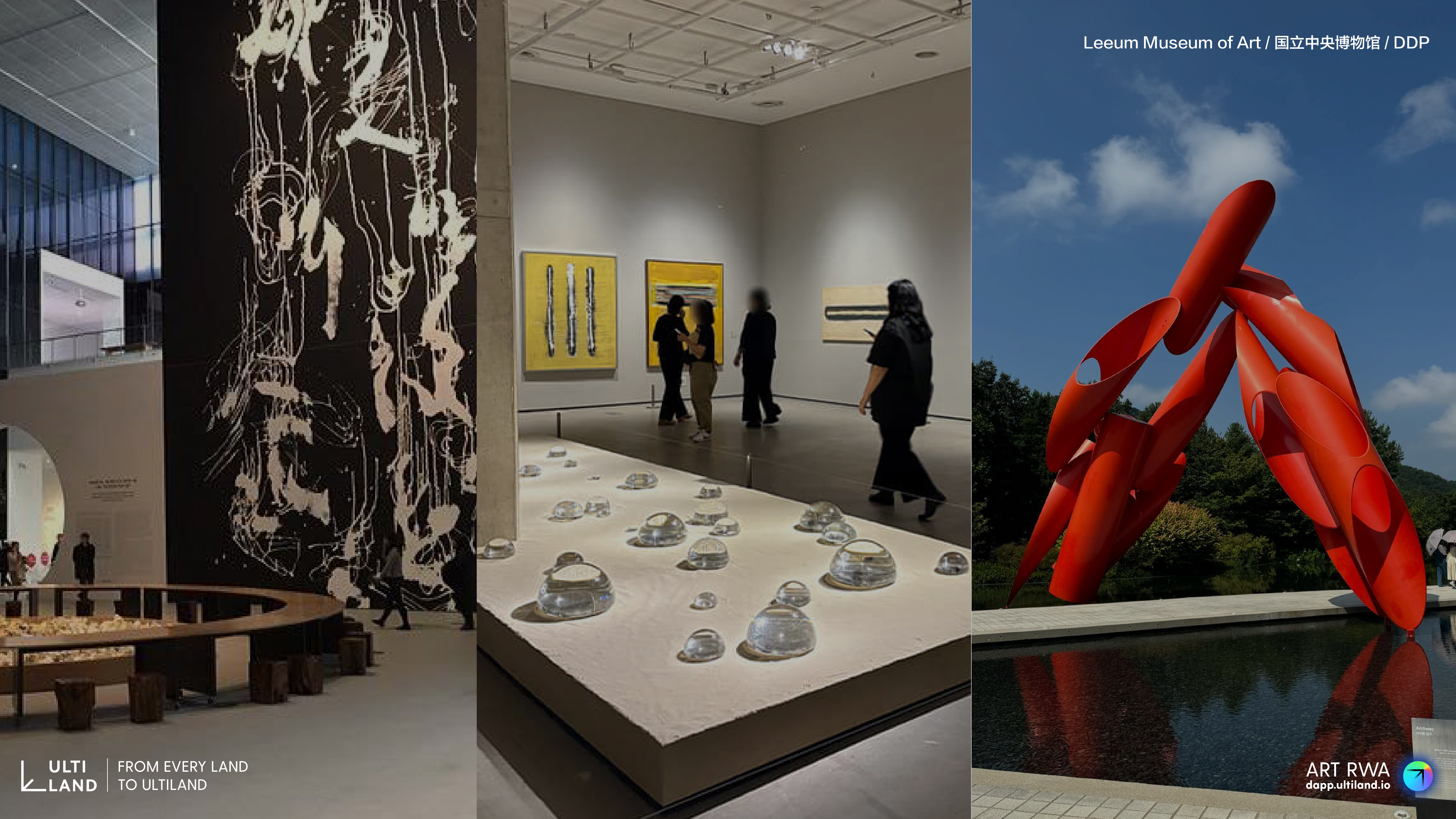
Hannah also highlighted Hannam-dong, with particular emphasis on the Leeum Museum. She said the museum stands out for bringing together traditional art, contemporary art, architecture, and collecting in one place, offering a window into the close relationship between private collecting and contemporary art in Korea.
She added that the building itself is part of the artistic experience. In her account, the design of the space, the visitor flow, and the exhibition layout all contribute directly to how the work is encountered. That, she said, reflects a broader Korean pattern in which art, architecture, and design are closely tied together.
Gangnam and Cheongdam as market districts
For readers interested in Korea’s art market, the conversation points to Gangnam and Cheongdam. Tangtang said the area brings together international galleries, leading domestic galleries, high-end art spaces, and an established collector base.
She argued that Korean art cannot be understood through museums alone. Galleries matter because artists often enter the market through that system. She also said that as more international galleries move into Seoul and local galleries expand outward, the city is becoming not just a stage for Korean artists but an important node in a wider Asian art network.
Seongsu-dong and younger audiences
Hannah described Seongsu-dong as the district most closely tied to younger people. In her view, the neighborhood differs sharply from the conventional museum setting, gathering branded spaces, independent design, trend-driven culture, cafes, pop-up exhibitions, installations, and younger creators.
She said the entry points through which younger audiences meet art have shifted. Instead of beginning in classrooms, museums, or galleries, that contact may now happen through social platforms, retail spaces, music festivals, malls, or the street itself. Often, she said, people may not even identify what they are seeing as an art project at first. They are drawn in by the space, the look, or the atmosphere, and art enters daily life from there. In the discussion, Seongsu-dong is presented as a clear example of that pattern.
Frieze Seoul and Kiaf Seoul as a two-way link
The feature says no discussion of Korea’s art market can skip Frieze Seoul. Hannah called the launch of Frieze Seoul a landmark event for Korea’s entry into the global art market, comparing its importance for Korea with the role Art Basel in Hong Kong has played as a key window onto the Asian art market.
Tangtang said the timing of Frieze Seoul alongside the locally rooted Kiaf Seoul is meaningful in itself. She said September is the core window for seeing art in Korea, not only because of one fair, but because the whole city becomes activated during that period. Galleries, museums, art spaces, brands, and design districts all tend to launch events at the same time.
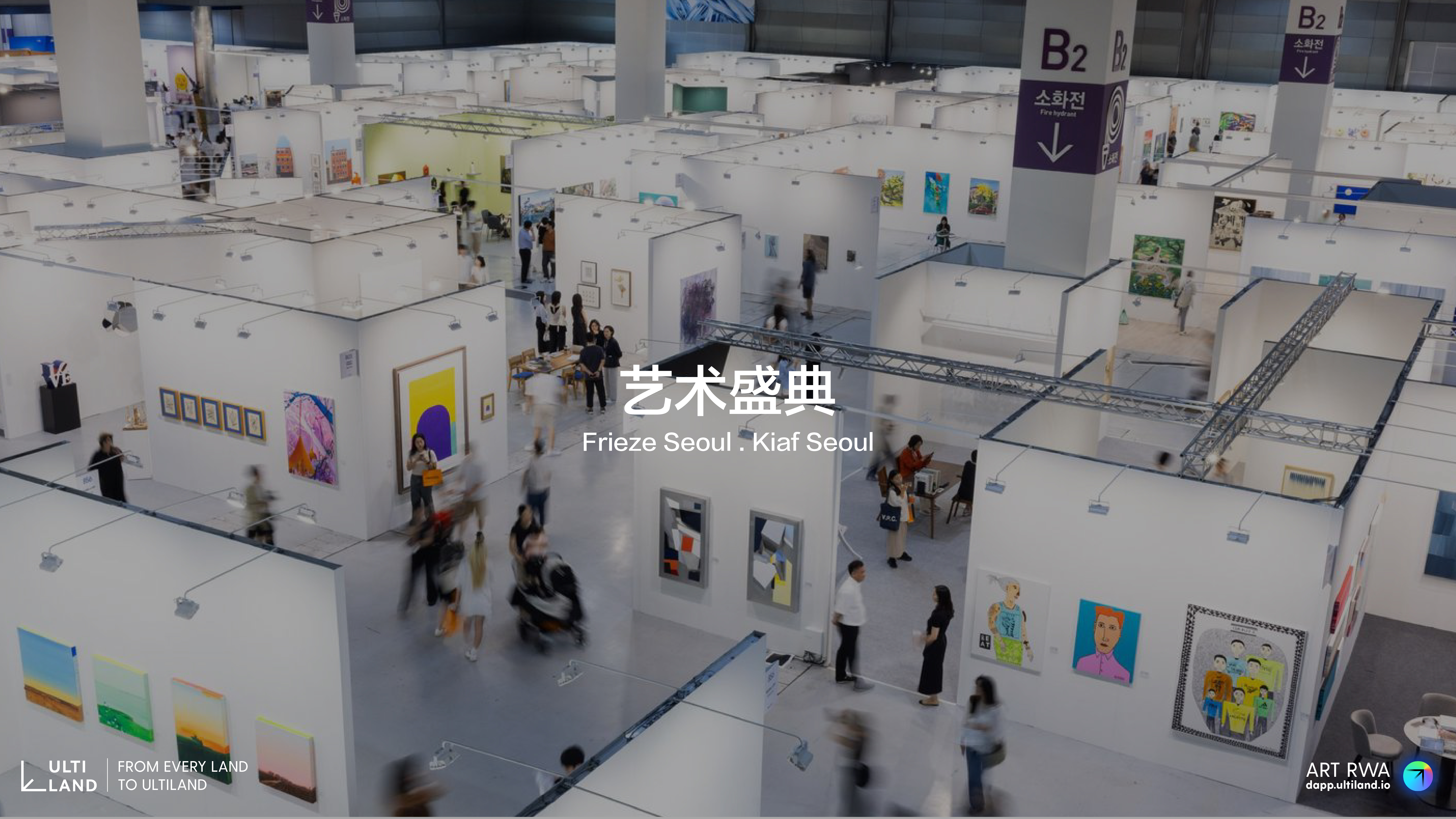
She added that Frieze has stressed a city-scale experience, drawing neighborhoods such as Euljiro, Hannam, Cheongdam, and Samcheong into the wider program. In that reading, the significance of Frieze Seoul lies not only in what happens on the fair floor, but also in the way it has helped reintroduce Seoul as a city with a mature art ecosystem.
Hannah said Frieze and Kiaf are especially interesting when viewed together. Frieze represents the arrival of an international art system in Korea, while Kiaf Seoul reflects the opening of Korea’s local art market to the world. She said that two-way structure matters for Korean artists because it allows them to meet international collectors, galleries, and curators without fully leaving their home country.
Beyond Seoul: Gwangju, Busan, and Jeju
The conversation repeatedly says Korean art should not be reduced to Seoul. Hannah said the country’s real interest lies in the fact that several cities present very different cultural ecologies.
Gwangju
Tangtang first pointed to Gwangju. She described the Gwangju Biennale as one of the key intellectual sites in Asian contemporary art. While Seoul is more closely associated in the discussion with markets, galleries, design, and youth culture, Gwangju is framed as a place that emphasizes contemporary art, social issues, history, and public discussion.
She also drew a distinction between art fairs and biennials. In her account, fairs tend to center on artists, galleries, collectors, and markets, while biennials focus more on society, politics, history, identity, and culture. For anyone trying to understand the depth of Korean contemporary art, she said, Gwangju is essential.
Busan
Hannah said Busan has a different identity again. She described it as an international coastal city with the Busan International Film Festival, the Busan Biennale, and a growing set of cultural venues.
Her comparison with Seoul was direct. Seoul is dense, fast, and commercialized, she said, while Busan is defined by the sea, the port, film culture, and its own urban form. When art enters Busan, she argued, it reacts with the city’s character rather than simply occupying it. Good urban art, in her view, is not about moving the same exhibition between cities, but about forming a relationship with each city’s own conditions.
Jeju
Tangtang described Jeju as a case of “nature × art × architecture.” She said the island has many art spaces, buildings, museums, and design projects that are deeply connected to the natural environment.
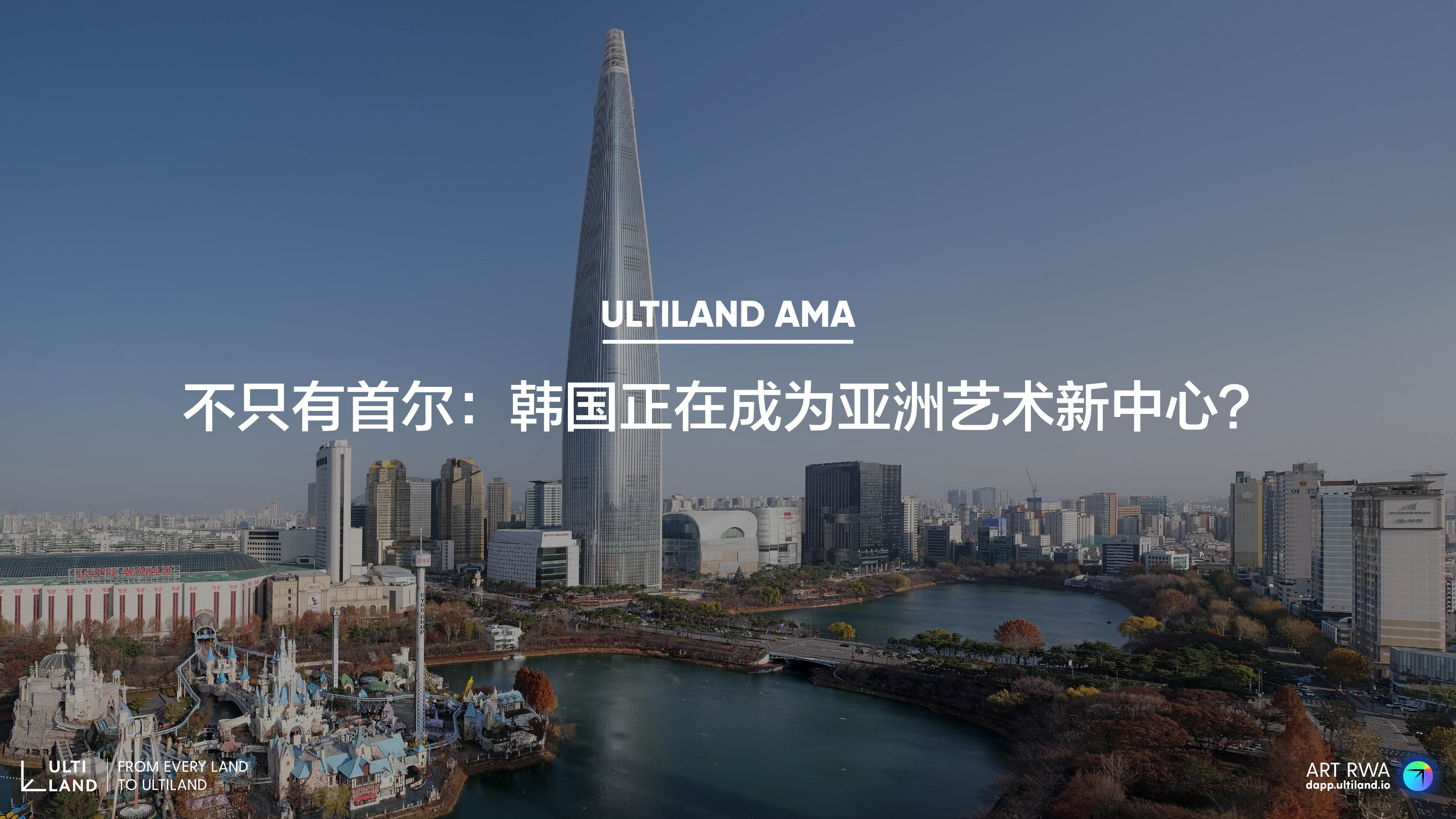
In the discussion, Seoul is treated as a marker of market energy and youth culture, while Jeju is presented more as a place for creating in close contact with nature. She added that one important direction for the future of art is that artists may not work only in cities. Nature, rural settings, and islands can all become new spaces for artistic production, and Jeju offers a useful example.
What Korea offers younger artists
Tangtang said Korea and Hong Kong do not serve the same function for younger creators. In her framing, Hong Kong works more as a connector between the art market and international systems, while Korea acts more as a connector between art, design, fashion, and youth culture.
Hannah agreed and said younger artists looking at Korea should not think only in terms of showing work there once. She said the more useful question is whether an artist’s practice can develop a relationship with Korea’s broader cultural environment. That could mean working with design, entering branded spaces, combining art with music or moving image, making public art, or connecting with younger people’s everyday lifestyles.
Tangtang said that shift places new demands on artists. Creative ability remains fundamental, she said, but artists also need to understand how their work is seen, how it circulates, and how it communicates across cultures. At the same time, she drew a boundary against chasing trends for market reasons. In her view, artists still need a core proposition and a language of their own if they want to be remembered.
Why ULTILAND is watching Korea
Asked why ULTILAND pays close attention to Korea, Hannah said the group’s concern is not art transactions themselves, but how younger creators enter a larger world. She called Korea an important observation window because it shows how art can connect with youth culture, design, commerce, and urban space before reaching a wider public.
Tangtang said that if ULTILAND wants to work with young artists globally, it cannot focus only on Europe and the United States. Asia, she said, is already a large art ecosystem in its own right, and places such as China, Korea, Japan, and Southeast Asia each have their own artistic language. She added that the more interesting question ahead may not be how Asian artists enter the West, but how artists across Asia see one another.
Hannah said she does not expect Asia to produce a single dominant art center in the future. She suggested a network model instead, in which Hong Kong, Seoul, Tokyo, Shanghai, and Singapore each hold different strengths and value lies in the links between them. The feature closes on a similar point: Korea’s importance is not simply the number of museums it has or the number of exhibitions it stages, but how effectively it ties art, design, music, fashion, brands, and the city together, turning art from a specialized field into part of everyday cultural life.