
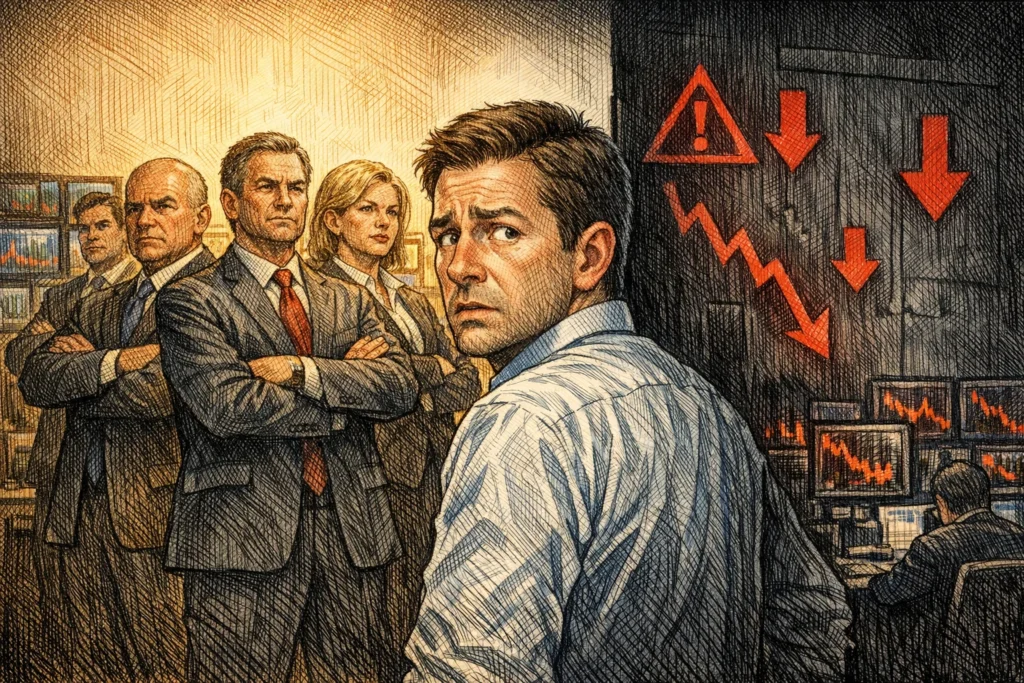
Interest-rate traders held on to bets for another Federal Reserve rate increase this year even after a sharply weaker July U.S. jobs report, leaving the July Consumer Price Index due on Aug. 12 as the next major point of confrontation for markets.
Payrolls turned negative as labor indicators softened
July nonfarm payrolls showed a net loss of 23,000 jobs, an unusual negative reading and the first such print in the current business cycle. The previous two months were also revised lower by a combined 103,000. The unemployment rate rose to 4.1%, while annual growth in average hourly earnings slowed to 3.2%, the lowest level since May 2021.
In many cycles, that mix would be enough to push markets toward rate-cut calls almost immediately. Yet CME FedWatch probabilities still showed traders keeping bets for at least one more Fed hike this year near 100%. That standoff has become one of the more striking features of the current rates market.
Why traders are still holding the hike view
One line of thinking circulating in trading circles is that the Fed risks damaging its policy credibility if it does not respond forcefully enough to inflation risks or signal a sufficiently hawkish stance.
That narrative grew louder after new Chair Kevin Warsh took office. His hawkish remarks at his first Federal Open Market Committee meeting were at one point interpreted by markets as opening the door to two rate hikes before year-end. Citadel Securities also publicly bet that the Fed would deliver a surprise rate increase at its July meeting.
Instead, the Fed left rates unchanged in July, and those early positions had to be closed. Even after that miss, traders did not fully back away. They continued to add to September hike bets, with the probability at one point rising to 42%.
Brooks, a senior fellow at the Brookings Institution and former chief economist at the Institute of International Finance, highlighted that contradiction earlier this week in a post on his Substack. Inflation data has been cooling and the labor market has weakened, he wrote, yet markets are still clinging to a rate-hike script.
Aug. 12 CPI is the next pressure point
The next decisive moment may come with the July CPI report scheduled for next Wednesday, or 8:30 p.m. Taiwan time on Aug. 12.
According to analyst estimates compiled by Dow Jones, headline CPI is expected to rise 3.4% year over year in July, down from 3.5% previously. Core CPI, which excludes food and energy, is expected at 2.5%, versus 2.6% in the prior reading. If those forecasts are borne out, both headline and core inflation would cool for a second straight month. Traders still defending the hike trade could then find it much harder to keep those positions intact.
That said, the risks have not disappeared. CPI is a monthly data series, and a one-month rebound would not be without precedent. Tariff pass-through, swings in energy prices and sticky shelter components could all push the July number higher than expected. Recent hawkish remarks from Fed officials could also quickly reverse the current easing in hike expectations.
The report argues that traders' reluctance to abandon those positions may partly reflect a form of insurance against tail risks. If the Fed does hike, the trade limits losses; if it does not, the downside is relatively contained. That structure helps explain why some participants have been slow to cut exposure.
Bitcoin and equities have started to reflect lower hike odds
For the past several months, the prospect of another Fed rate increase has been one of the main variables weighing on risk assets, including bitcoin. On the day the payrolls report was released, bitcoin briefly climbed to $65,340. The S&P 500 rose 0.5% and the Nasdaq gained more than 1%, suggesting markets had already begun to price in a lower probability of further tightening.
CME FedWatch data also showed the probability of a September rate hike falling from 55% a day before the payrolls release to a 40% to 44% range afterward. The probability of rates staying unchanged rose to 60% to 66%.
Less anxiety over hikes is not the same as a straight bullish turn
A softer market view on rate hikes does not mean the Fed is about to cut rates, nor does it guarantee a one-way rally in crypto assets.
What matters next is how the market narrative shifts after Aug. 12. If CPI confirms that inflation is still cooling and traders are forced to unwind hike bets, worries about tighter liquidity may fade for a time, offering support to rate-sensitive assets such as bitcoin. If inflation shows even a modest rebound, the hawkish narrative could return quickly.