

Market Pessimism and Price Reality
Sentiment around Ethereum on crypto social platforms has hit rock bottom. Lucas, a former Bankless contributor, notes that many peers he worked with over the years have completely exited their ETH positions, some even leaving the industry altogether, because they no longer believe in its investment value. Yet he remains firmly bullish, convinced that Ethereum is entering its most promising growth cycle ever. This contrarian view is not baseless; it is built on strong onchain data and the unstoppable trend of asset tokenization.
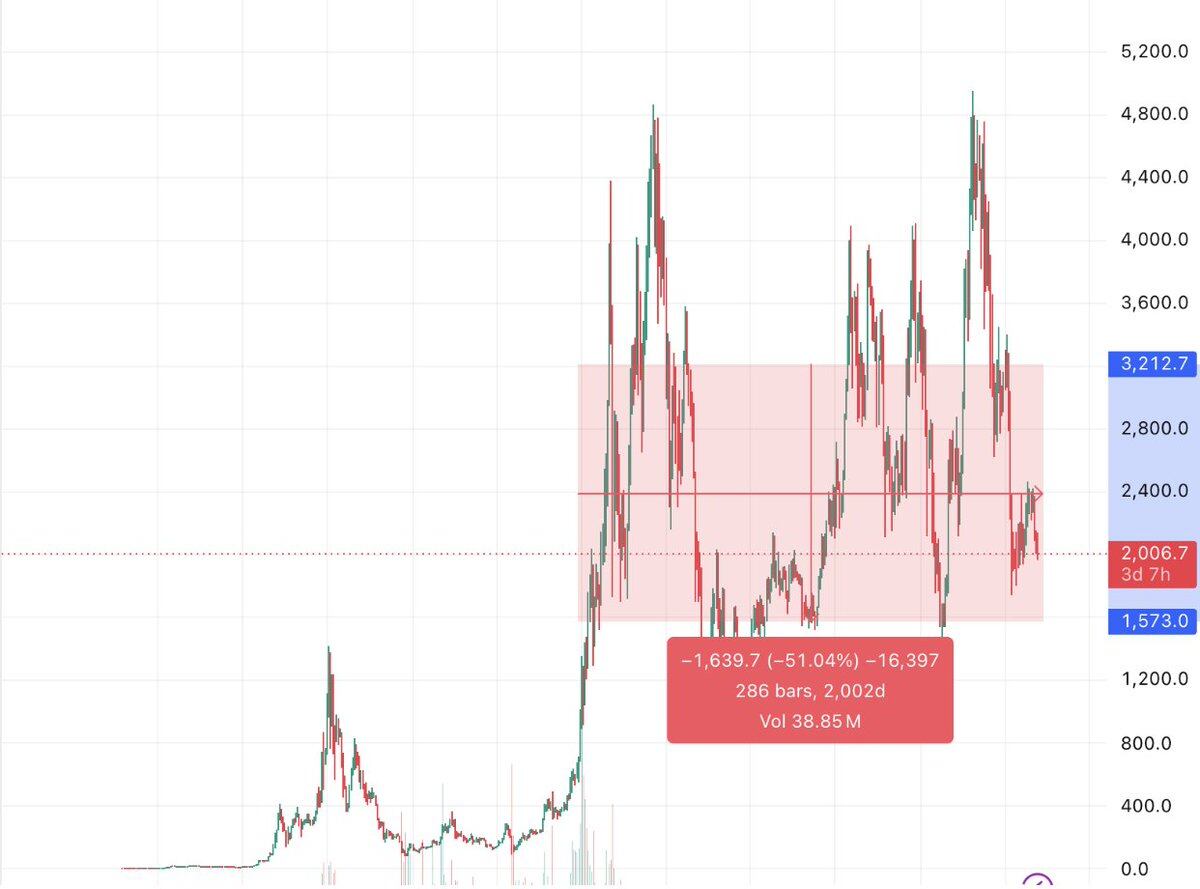
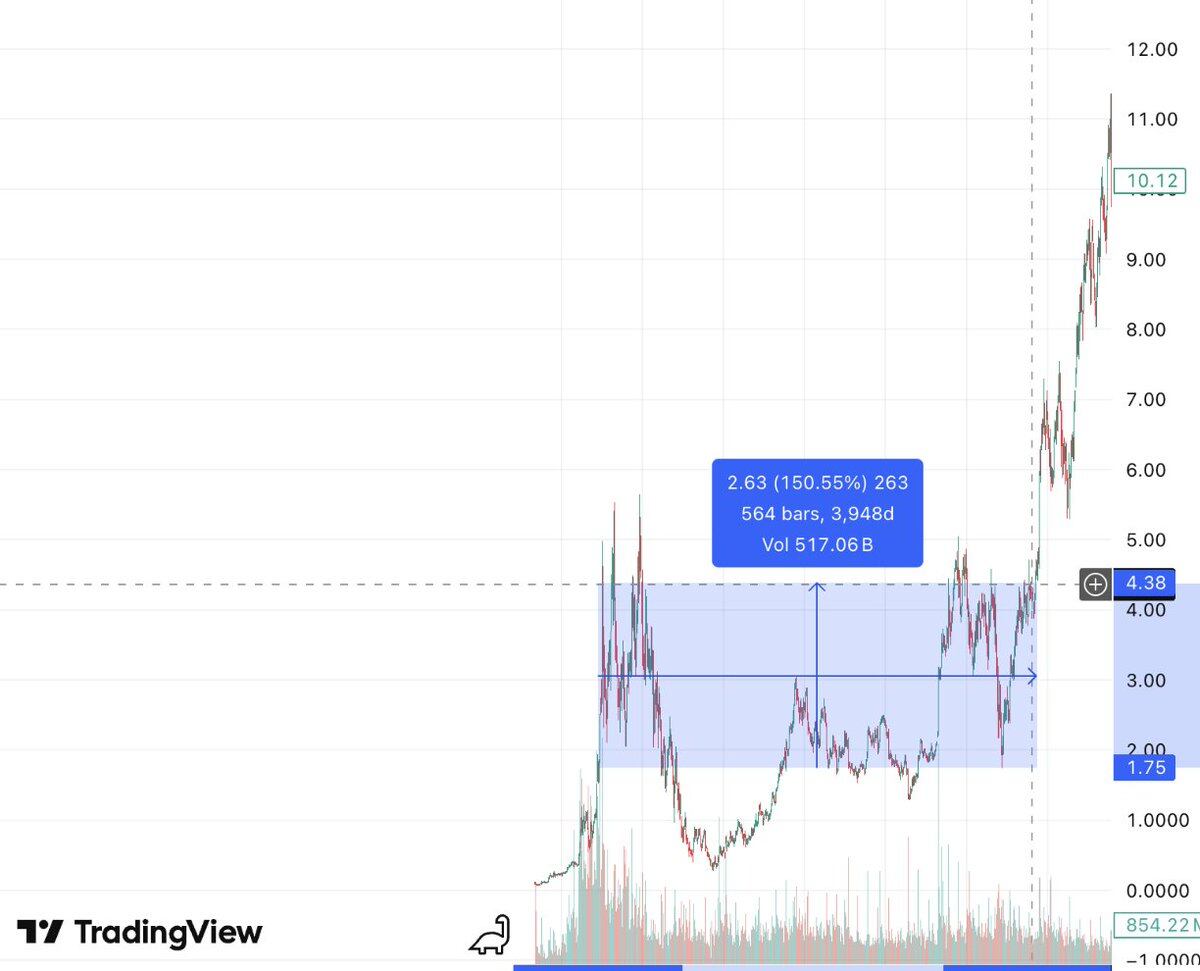
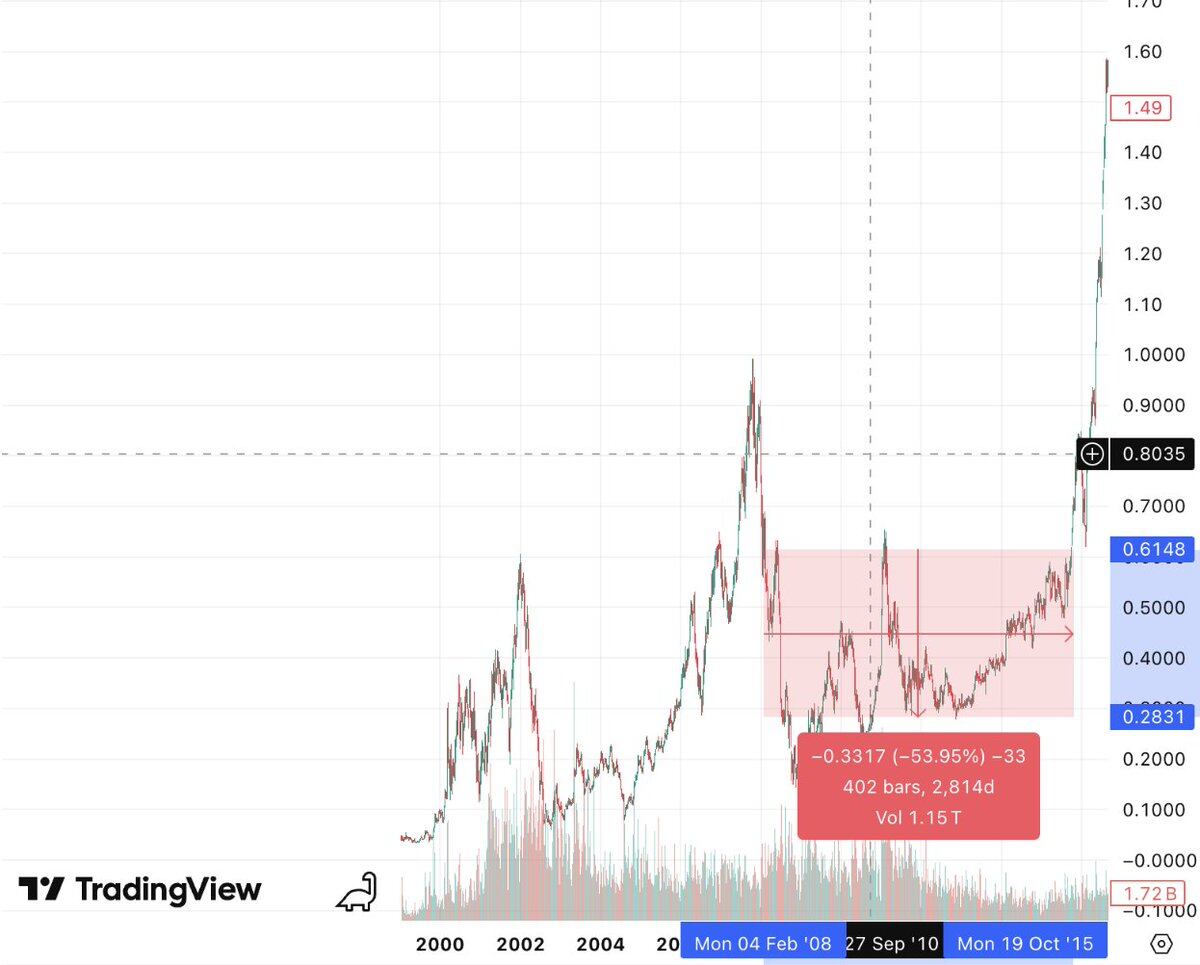
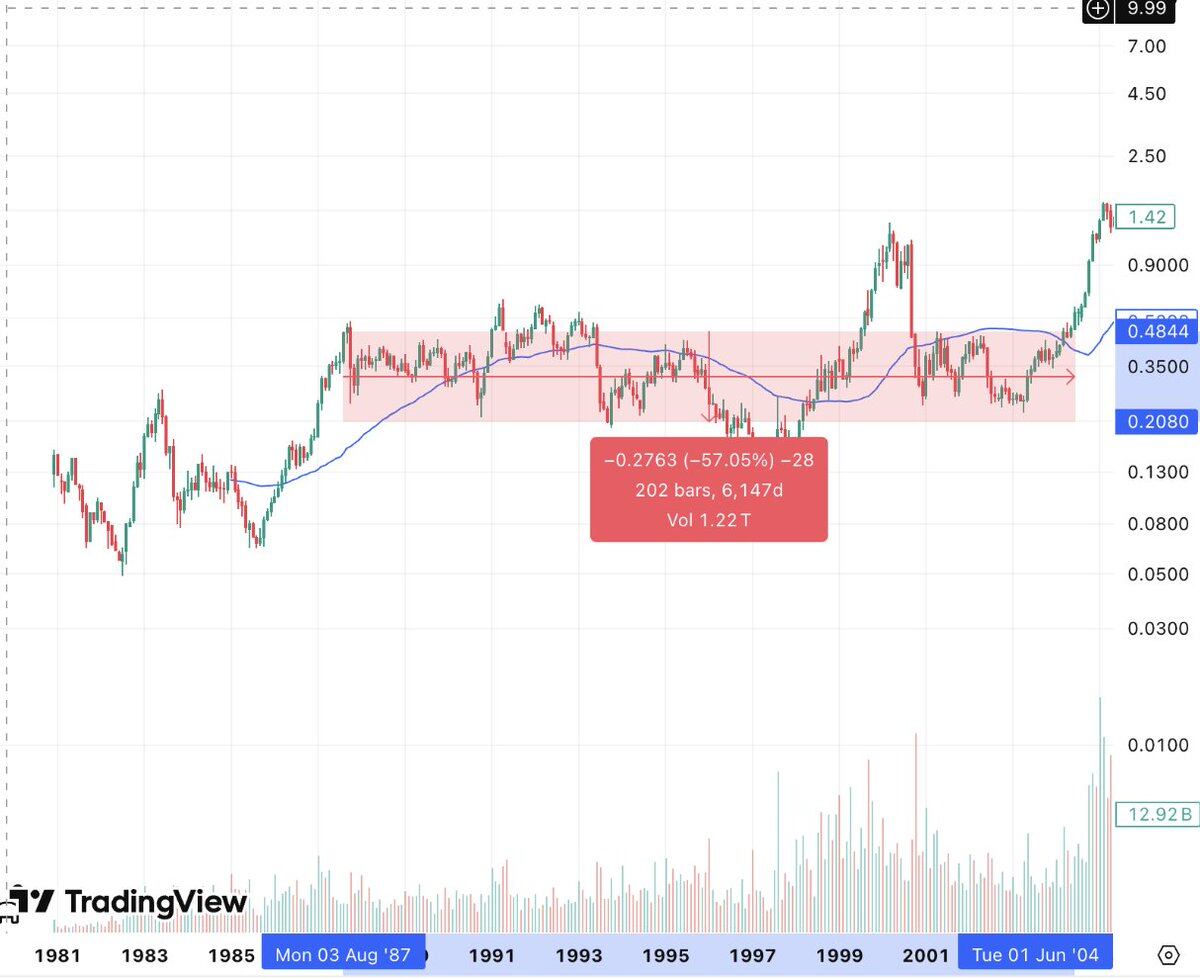
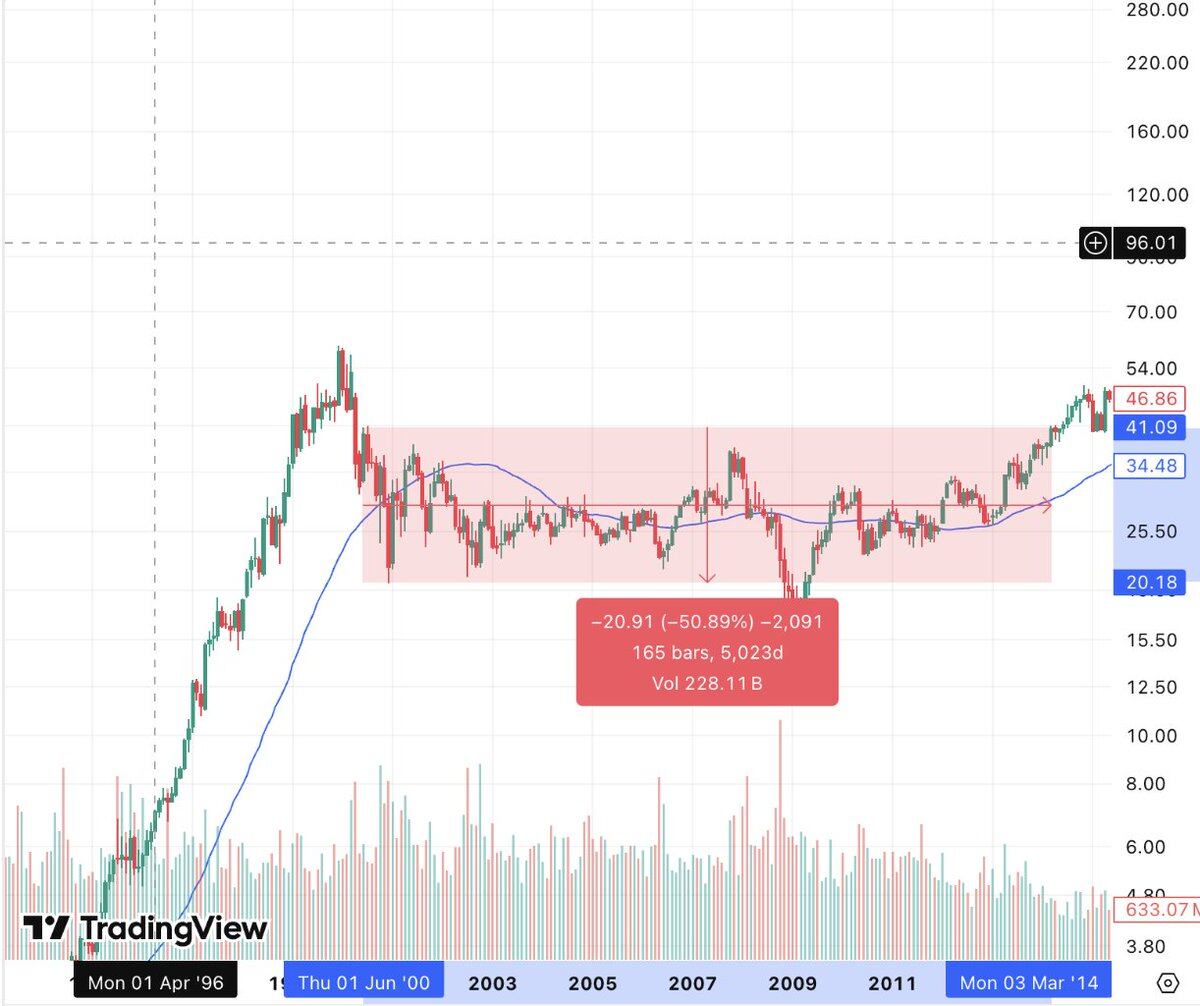
Over the past five years, ETH price performance has been disappointing. Those who entered in 2021 are at best breaking even, while most are deeply underwater. Bitcoin currently stands above its 2021 bull market high, with its 2025 peak doubling that level; ETH, by contrast, is still down about 60% from its last all-time high and failed to reach even the $5,000 mark in 2025. During the same period, the S&P 500 repeatedly hit all-time highs, and hot sectors like AI and semiconductors soared—making ETH look even worse. However, zooming out, Ethereum still commands a market cap above $200 billion and has consistently defended the $2,000 price level, suggesting a multi-year consolidation range. Top-tier assets often go through long, boring sideways periods before entering a secular bull run; that is a well-established pattern in financial markets.
Robust Onchain Ecosystem Growth
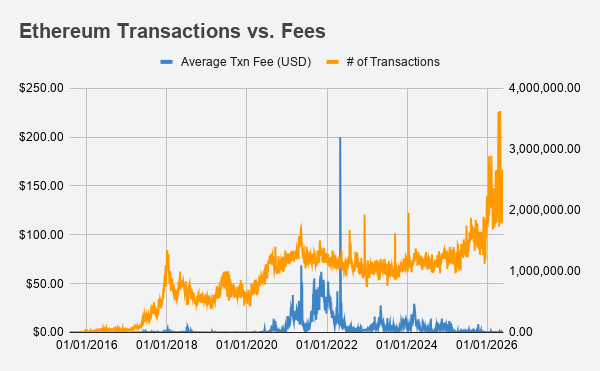
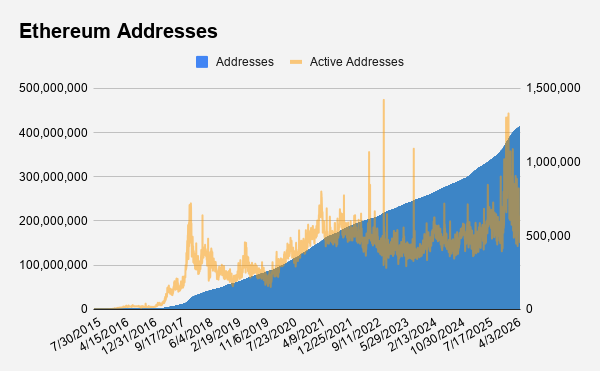
In stark contrast to the weak price action, Ethereum’s onchain ecosystem is in its best shape ever. According to Etherscan, in May 2026, Ethereum averaged 2.27 million daily transactions—a new all-time high—while the average transaction fee fell to just $0.27, dramatically lower than the $50–$100 costs typical of the 2021 bull market. Transaction volume doubled while costs collapsed. The total number of onchain addresses surpassed 400 million, with daily active users consistently exceeding 1 million, putting Ethereum on track to reach 1 billion addresses by mid-2029. Additionally, more than 32% of all ETH is now staked, providing robust security for the network.
The Asset Tokenization Narrative and Institutional Onboarding
Since entering the space in 2017, Lucas’s long-term thesis on Ethereum has never changed: all assets of value will eventually be tokenized, Ethereum will become the unified settlement layer, and ETH will capture all the value generated by settlement activity. Over the past decade, Ethereum served as the experimental platform for crypto-native innovations like DeFi and NFTs; the next decade will see it become the infrastructure for bringing traditional assets onchain. The vast majority of the world’s $700 trillion in traditional real-world assets will eventually be tokenized, and Ethereum is the network of choice.
Critics often point to Ethereum’s scalability limits and competition from other chains, but real-world data is already proving them wrong: traditional financial institutions are onboarding to Ethereum in droves. For these institutions, the overriding decision factor is certainty—when banks, asset managers, and clearing houses choose a blockchain to custody trillions of dollars in assets, they must prioritize network security and stability. Stablecoins were the first tokenized RWA product to achieve product-market fit, with total circulating market cap surpassing $300 billion—what Fundstrat’s Tom Lee calls the “ChatGPT moment” for crypto—and Ethereum commands a 54% market share of that total.
As of June 1, 2026, the total stock of tokenized real-world assets (RWA) has surpassed $30 billion, with a steeply rising growth curve, and over 53% of those assets are deployed on Ethereum. Whether in stablecoins or non-stablecoin physical assets, Ethereum’s dominance in tokenization is already clear.
From DeFi History to RWA’s Explosive Potential
Lucas likens today’s RWA sector to the early-stage DeFi of 2019–2020. Back then, DeFi total value locked (TVL) saw exponential growth in the first half of 2020, but ETH’s market cap was only $20–25 billion and its price languished in a long consolidation. It wasn’t until DeFi reached about 20% of ETH’s market cap that ETH took off from $300 to $4,000 by year-end, staging a super bull run.
Now, excluding stablecoins, the non-stablecoin RWA total on Ethereum is roughly $16 billion, only 7% of ETH’s market cap—a similar position to early DeFi, but at ten times the scale: the starting base has grown from $3 billion to $30 billion, and ETH’s floor has moved from $200 to $2,000. The competitor then was BNB Chain; now it is Hyperliquid. Crucially, ETH now benefits from both proof-of-stake staking and the EIP-1559 burn mechanism, which means every onchain activity directly contributes to supply reduction and value support for ETH.
Extrapolating a tenfold expansion, the total size of the non-stablecoin RWA market could exceed $1 trillion this cycle. The US CLARITY Act could serve as a key catalyst; according to Polymarket, the probability of the bill being signed into law within 2026 is around 55%. Once enacted, it would open a compliant on-chain pathway for all US financial assets, acting as a supertailwind for Ethereum.
Stocks, bonds, commodities, real estate, art, intellectual property—everything of value will eventually be tokenized. This is the next major revolution in the global financial system. Even as crypto discourse remains overwhelmingly bearish on Ethereum, Lucas is resolute: armed with years of built-up security, reliability, and liquidity moats, Ethereum is destined to become the foundational layer for the vast majority of tokenized assets. Once a critical mass of global assets is deployed on Ethereum, the market will reprice ETH and recreate the explosive rallies of prior cycles.