
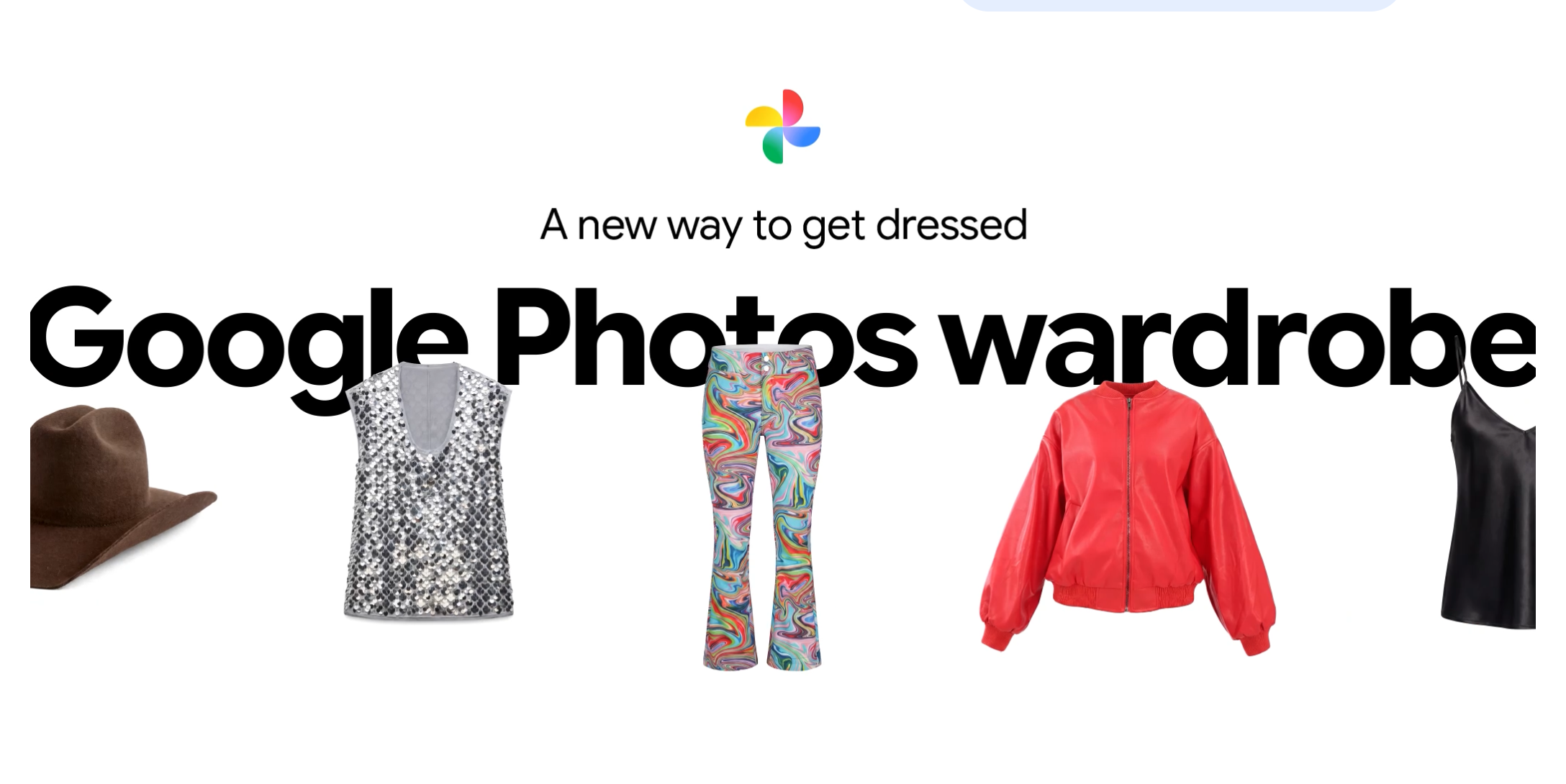
Google Photos is preparing a new feature called Wardrobe that scans a user’s photo library, identifies clothes seen in old pictures, and sorts them into a digital closet. The system can organize items such as tops, bottoms, skirts, dresses, and shoes, then let users mix and preview outfits through virtual try-on. Google expects the feature to reach production on some Android devices before summer 2026, with iOS support arriving later.
Photo libraries are being turned into wearable catalogs
According to Google’s announcement, Wardrobe works directly from images users already have in Google Photos. It detects garments from past photos and groups them into structured categories, turning an image archive into something closer to a searchable clothing inventory. Users can browse what they already own instead of starting with new products from a store.
That shift changes the purpose of AI try-on. This is not framed as a shopping tool. It is built around clothes a person has already worn, using the photo library as the source of record.
Nano Banana handles recognition, avatar creation, and rendering
The feature is powered by Google’s Nano Banana model. Its job is to identify garments, generate a digital avatar of the user, and render selected clothing combinations onto that avatar. Google draws a line around what the model does: it handles recognition and rendering, but it does not act as a stylist or tell users what to wear on a given day.
The processing is done on-device. Users do not need to upload extra material for the feature to work, since the system uses the existing photo library already stored on the device or in the app workflow. Outfit combinations can also be saved as moodboards and shared with others.
Different from Google’s 2025 shopping-focused try-on tool
Google had already introduced an AI try-on experience in Search in 2025. That version was designed for retail use: a person could search for an item and preview how it might look before making a purchase. The logic there was centered on buying decisions.
Wardrobe takes a different route. It focuses on pieces users already own, shifting the use case from commerce to daily wardrobe management. In that model, Google Photos becomes more than a storage app for memories. It becomes a working database of a person’s clothing history.
Android comes first, but data-use questions remain open
The report says some Android devices, including the Motorola Razr, have already been testing the feature. A wider release is expected before summer 2026, while the iOS version will follow afterward.
Google has been pushing AI across its consumer products, including Gemini in Gmail, Docs, and Maps, AI-generated summaries in Search, and existing Google Photos features such as Magic Eraser and Photo Unblur. Wardrobe fits that pattern, but the data involved here is more personal: years of images that reveal what a person has worn over time.
Google has not said whether the digital closet data created by Wardrobe will affect ad targeting. It also has not explained whether that data could be used in model training. The feature’s mechanics are now public; the limits on ownership and use of that clothing data are still unclear.