

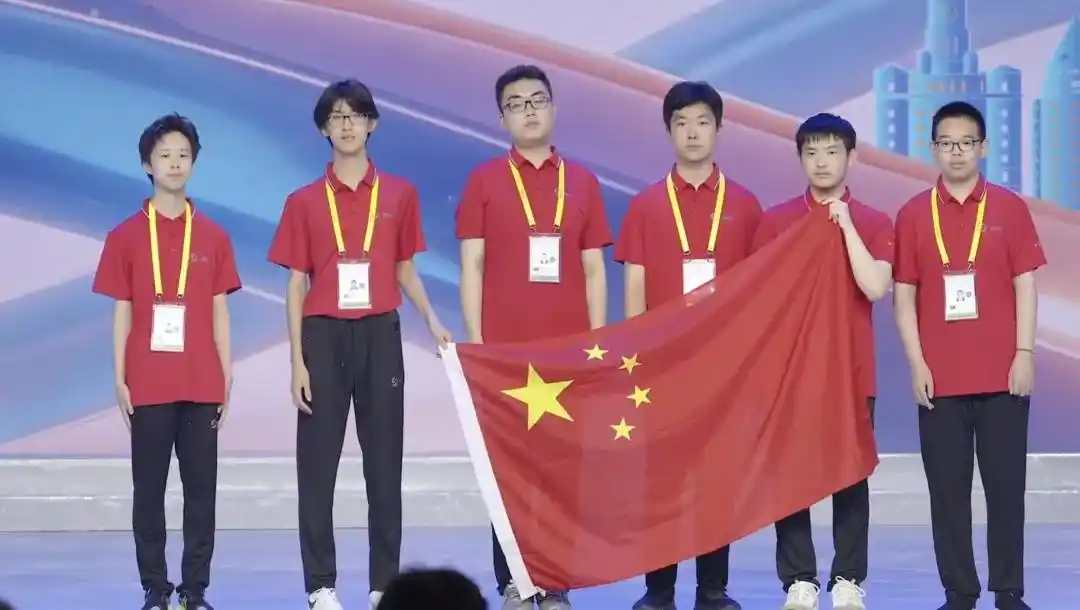
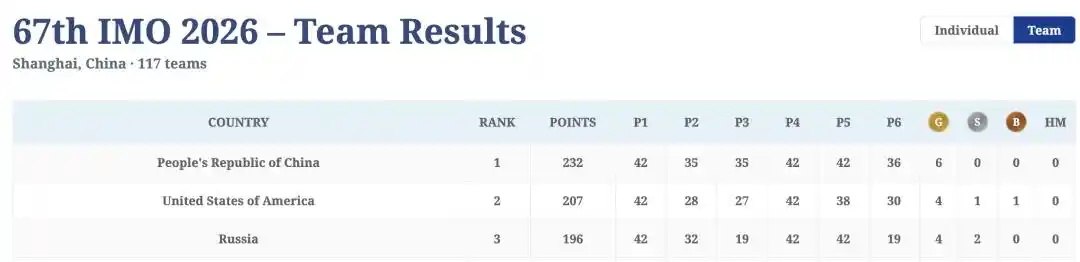
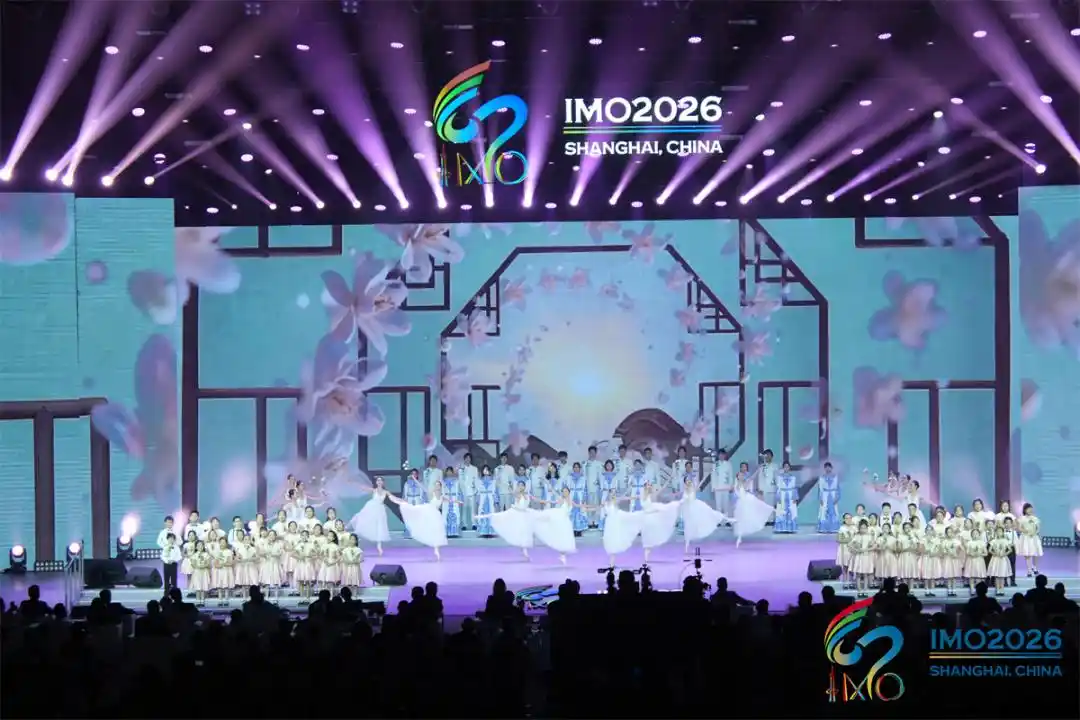
China won the team title at IMO 2026, the 67th International Mathematical Olympiad, held in Shanghai from July 13 to July 21. The Chinese team finished first with all members winning gold medals and a team total of 232 points, 25 points ahead of the runner-up United States.
Among the Chinese contestants, Deng Leyan and Zhang Bairun from Shanghai High School, and Liu Che from the High School Affiliated to East China Normal University, each won gold with perfect scores. The report says this marked China’s 26th first-place team finish since its first title in 1989, and the eighth straight IMO in which Chinese team members posted perfect-score golds.
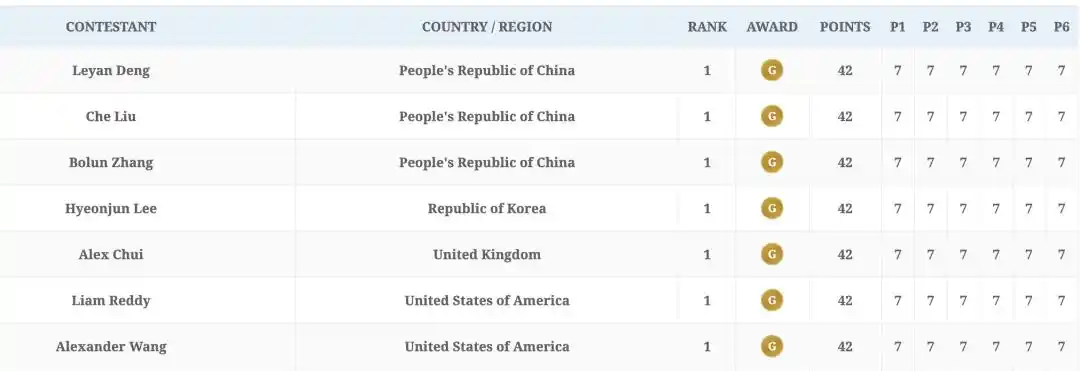
Team standings and full-score medalists
In addition to the three Chinese students, the article says 1 contestant from the United Kingdom, 1 from South Korea, and 2 from the United States also received full-score gold medals at IMO 2026.
The United States placed second with 4 gold medals, 1 silver, 1 bronze, and a team score of 207. Russia finished third with 4 gold medals, 2 silvers, and 196 points.
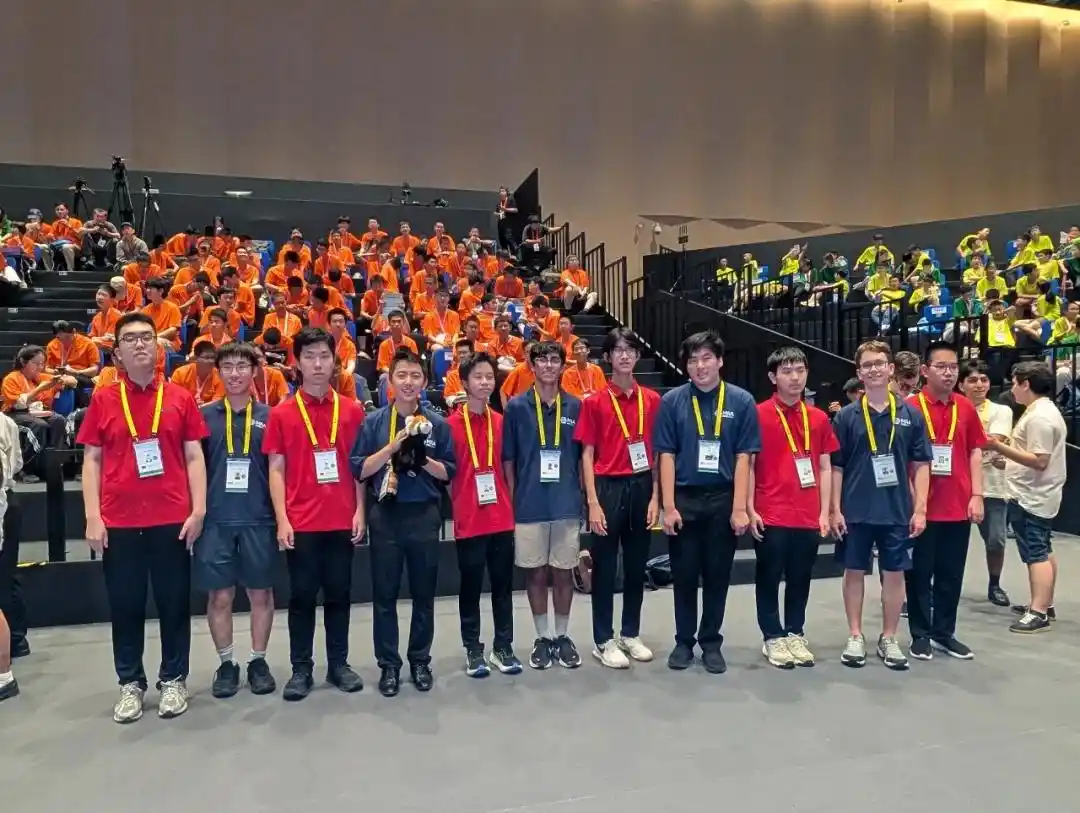
The piece also mentions a group photo of the China and U.S. teams taken on site by U.S. deputy team leader Liu Yang.
Shanghai hosts the event
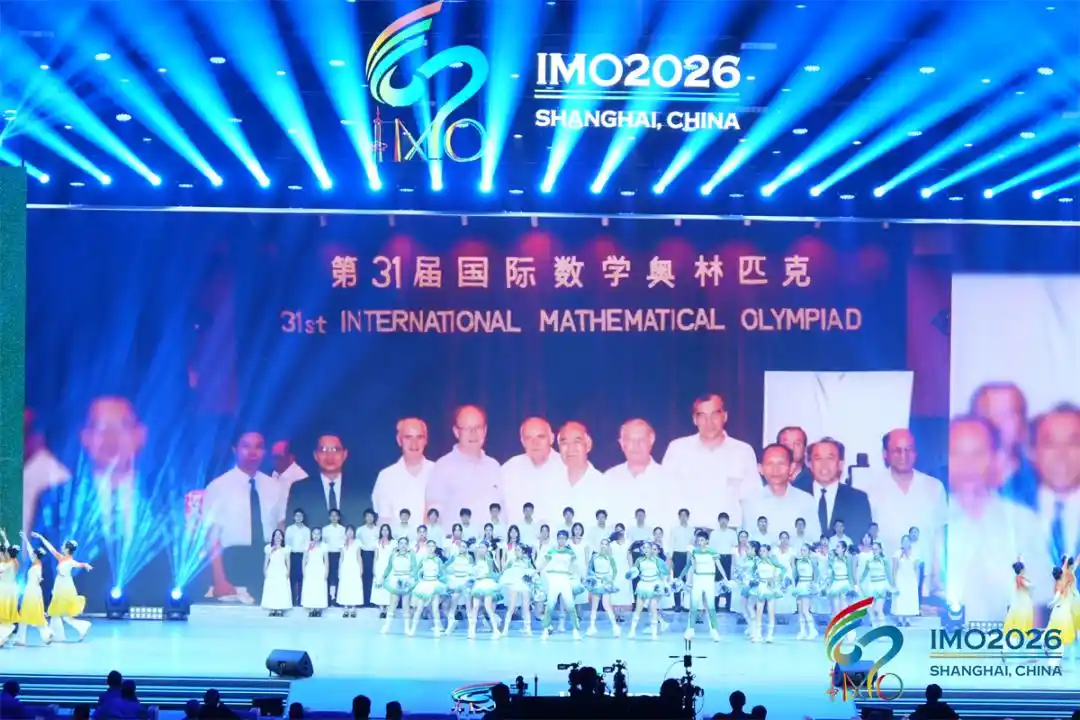
According to the report, this was the first time the IMO was held at a secondary school, with Chinese contestants competing on home ground. It was also the second time the event had been held in mainland China. The 31st International Mathematical Olympiad took place in Beijing in 1990.
The Chinese team leader for IMO 2026 was Qu Zhenhua of East China Normal University. Up to now, China has collected 197 gold medals, 37 silver medals, and 6 bronze medals in IMO competition.
The article, citing the WeChat account “Keji Daman Guan,” says China’s team this year did not include any 12th-grade students. It also says Shanghai High School, as the first secondary school to host the IMO, has accumulated 20 IMO gold medals and has won 6 golds in each of the four years since 2022.
Names cited in the article
The original piece also listed several Shanghai High School alumni, including Tang Yunqing, identified as a 45-minute speaker at the upcoming ICM 2026 and a recipient of the Ramanujan Prize, the Cole Prize in Number Theory, and the New Horizons in Mathematics Prize; Zhang Mingjia, described as an IAS von Neumann Fellow and a recipient of the Maryam Mirzakhani New Frontiers Prize; Zhang Shengtong, described as having published in the “big four” during his undergraduate years and as a recipient of the ICCM Best Paper Award named after Bao Jianwen; and Li Yang, who the article says has published multiple papers in the “big four.”
AI comparisons move back into view
The article then turned to AI, saying that every year after IMO scores are released, comparisons emerge between human contestants’ papers and AI-generated solutions. It notes that last year OpenAI’s o3 and Google DeepMind’s AlphaProof and AlphaGeometry 2 reached gold-medal cutoff level on IMO problems.
The report points out that a perfect IMO score is 42, while the usual gold cutoff is around 28 to 30. Deng, Zhang, and Liu each scored the full 42 points. The piece uses that gap to distinguish between reaching gold-medal level and producing a flawless set of solutions with no lost points.
It says major labs are again expected to test this year’s IMO problems. As of the release of the competition results, there was still no official public result available. At the same time, the article cites reports that GPT-5.6 Pro solved all six IMO 2026 problems on its first attempt, without any human prompting or guidance. It also says an independent evaluation from SignalPilot Labs stated that the model generated complete solutions for the six problems.
The article argues that, if those reports are accurate, the key point is the phrase “first attempt.” It also notes that OpenAI is offering 12 months of ChatGPT Pro subscriptions to all gold medal winners and to Maryam Mirzakhani Award recipients.
Sources cited by the original article
The source list included the IMO 2026 individual results page, a related post on X, and two WeChat articles. The MarsBit article says the original text came from the WeChat account “Xinzhiyuan,” written by ASI Qishilu and edited by David.