
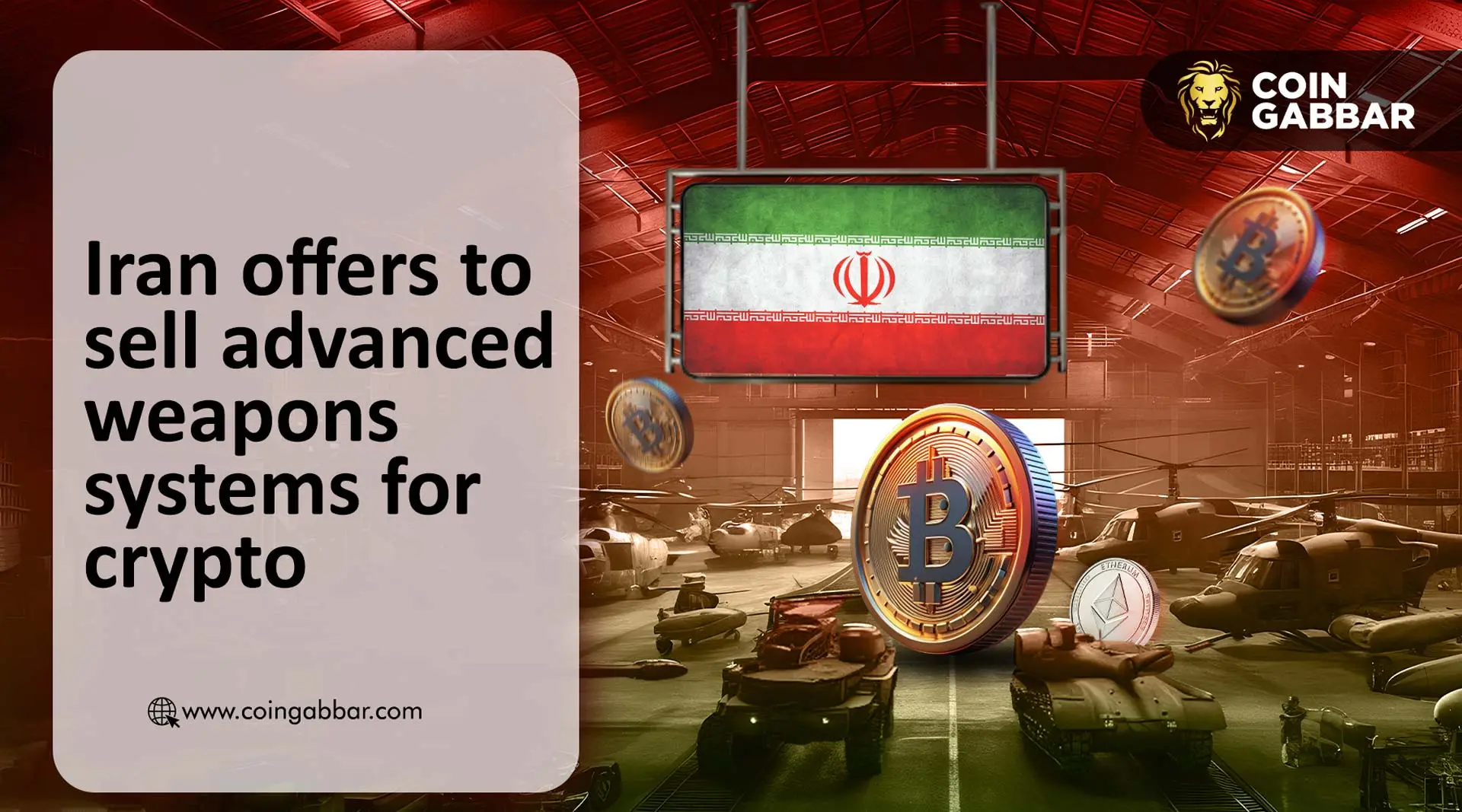
In 2025, Iran became the first nation to publicly embrace cryptocurrencies as a payment method for advanced weaponry. The policy, orchestrated by the Ministry of Defence Export Center (Mindex), opens the door for foreign governments to purchase ballistic missiles, drones, and warships using Bitcoin, stablecoins, or other digital assets.
Arms List and Flexible Payment Terms
The catalogue of available weapons is listed on Mindex's official website, though prices remain undisclosed. Buyers can choose to pay in crypto, Iranian rials, or through barter arrangements. The framework states the weapons must be used in accordance with rules set by the Defence Center during conflicts, but adds that all terms are negotiable between buyer and seller.
Inspection procedures are old-school: interested parties must visit Iran to physically examine the goods. Payment settlement takes place in the destination country.
From Ban to Embrace: Iran's Crypto Policy Evolution
Iran's Central Bank (CBI) outlawed crypto in 2018 over illicit activity concerns. Western sanctions soon forced a shift — regulators legalized mining in 2019 to reduce dependence on foreign financial influence. Cheap electricity made Iran a top Bitcoin mining hub, though illegal mining strains the grid so severely that the government has periodically shut down operations.
Today, roughly 22% of Iran's population engages with digital assets. Domestic exchange Nobitex has gained traction, leveraging VPNs to sidestep restrictions. The weapons-for-crypto initiative is seen as Tehran's latest bid to become a digital-asset powerhouse in Central Asia.
Client Base and Broader Implications
Iran currently trades arms with 35 countries. Analysts suggest the crypto-payment framework could encourage other sanctioned nations to follow suit, potentially reshaping liquidity and pricing dynamics for digital assets in the region. However, military-trade complexities — such as end-use monitoring and international legal hurdles — may slow actual adoption.
As of press time, Iran's Defence Ministry had not responded to inquiries about transaction limits or anti-money laundering measures.