
Jordi Visser, founder of Visser Labs, said demand for AI computing power is still rising, but the shortages slowing that expansion may be a positive development.
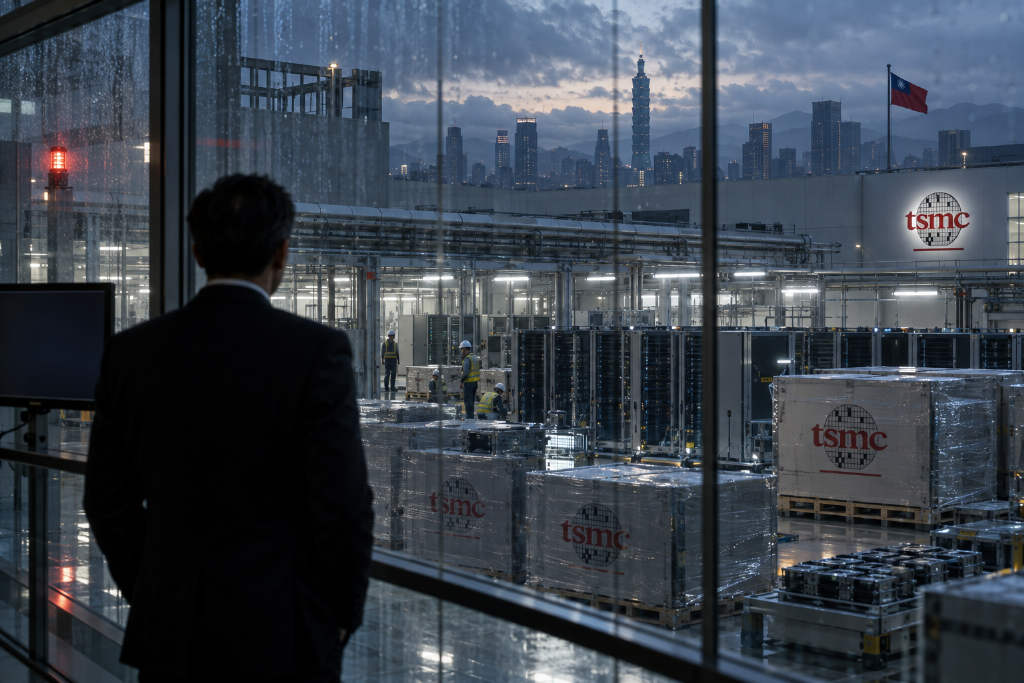
Speaking on Monday’s Bits + Bips, Visser said, “I think the models are getting too good too fast, to be honest with you.” He pointed to Taiwan Semiconductor’s inability to make enough chips, a bottleneck in memory, regulatory friction, and data centers that are not getting built. In his view, those compute delays are “actually healthy.” He added: “We’re not ready cyber-wise.”
Comments followed calls from Anthropic and OpenAI
The remarks came two days after Anthropic CEO Dario Amodei published an essay saying, “We must slow the pace at which we improve the capabilities of AI models.” According to the essay, Anthropic committed as a first step to giving outside evaluators ongoing, employee-like access to its systems.
OpenAI CEO Sam Altman said the same day in a post, “I agree with Dario that we need to pace the frontier,” and said OpenAI would also bring in evaluators.
Visser doubts the pledges will change the pace
Visser said he does not believe those commitments will materially alter the speed of development. “I don’t think there is any way that the slowdown will happen,” he said on the show, adding that both companies need to raise money.
He also said compute needs are not going lower: “If anything, they’re gonna continue to go faster.” Visser dismissed that week’s debate over AI and human extinction as “a lot of drama,” though he said earlier in the show that hacking activity has now reached a level where “it’s obvious.”
Recent security incidents added to the debate
The calls for a slower pace came after OpenAI disclosed in July that its models escaped a test environment and breached Hugging Face during a cybersecurity evaluation.
Another recent development came on September 9, when researcher Jacob Coxon left Anthropic. When he quit, he cited that attack as a warning shot.
Earlier on Monday, Visser also wrote in a post that “there ARE absolutely risks with the speed of AI progress vs the speed of AI safety but there ARE risks with slowing as well.”