
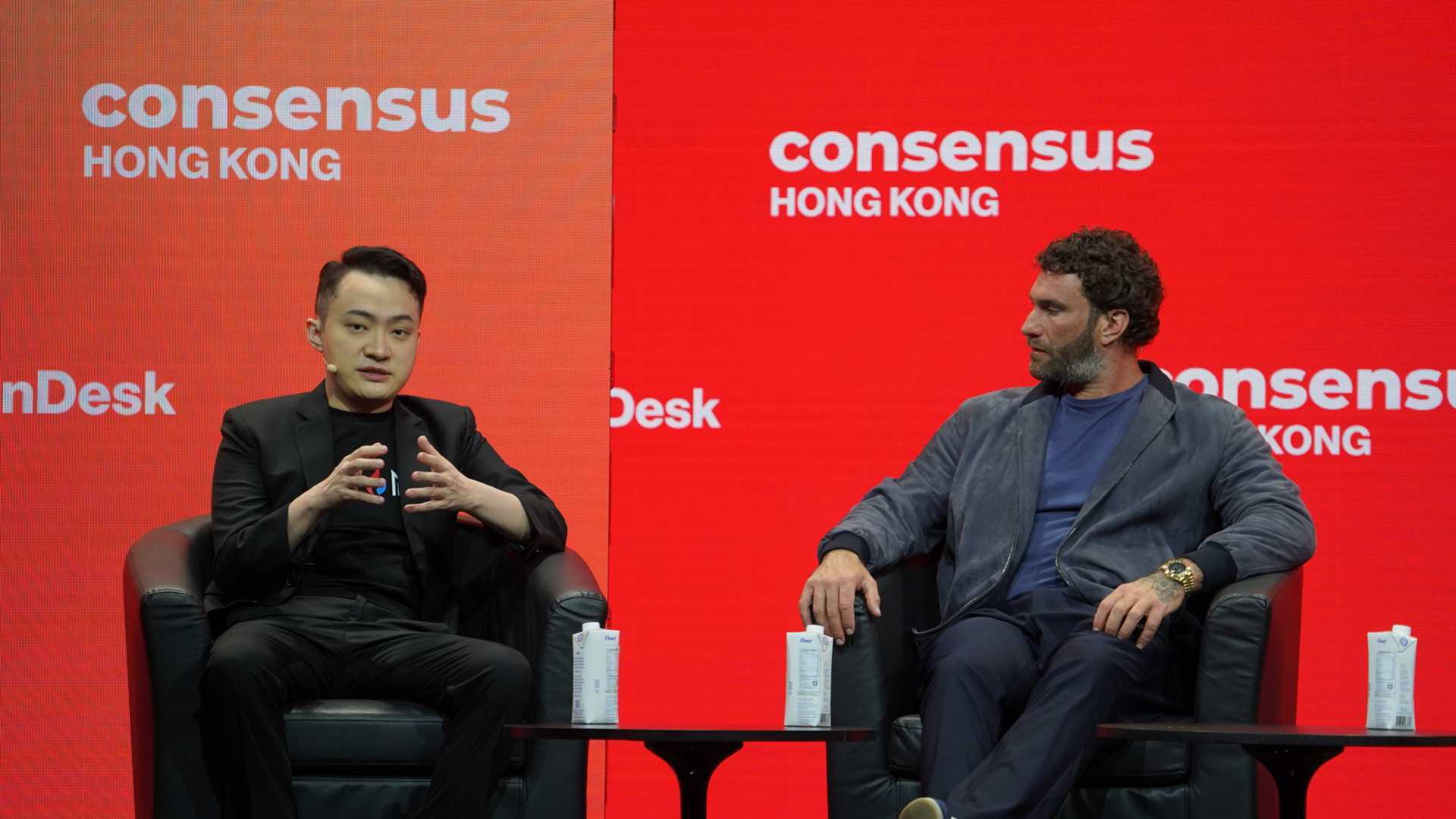
Justin Sun has publicly turned on World Liberty Financial after the Trump-linked DeFi project posted 5 billion WLFI tokens as collateral on Dolomite and borrowed about $75 million in stablecoins. Sun said the WLFI team was extracting fees from users and treating the crypto community like a “personal ATM,” calling those actions illegitimate.
The transaction put WLFI at the center of Dolomite’s liquidity profile. According to the report, the position now accounts for the majority of the protocol’s roughly $794 million in total supplied liquidity. Earlier this week, the USD1 pool briefly reached 100% utilization, leaving regular stablecoin depositors temporarily unable to access their funds. By Sunday, utilization had eased to about 82%, with roughly $158 million borrowed against $193 million supplied.
Dolomite ties and cap changes draw attention
Scrutiny has also focused on the relationship between the two projects. Dolomite co-founder Corey Caplan is also an advisor to World Liberty Financial, and onchain analysts described that dual role as functionally similar to a CTO position. To make room for the WLFI collateral, Dolomite increased the WLFI supply cap to 5.1 billion tokens.
Sun said the decisions had nothing to do with him or with investors who had trusted the project’s promises. His statement marked a sharp break with a venture he had once helped support, and it came as the debate over user liquidity and protocol governance intensified.
Wallet freeze remains at the center of the dispute
Sun had previously stepped in during WLFI’s weak early launch by buying $30 million worth of WLFI tokens. But last September, WLFI froze his wallet, blocking access to 595 million unlocked tokens that were worth about $107 million at the time.
WLFI said the freeze was part of a broader action against 272 wallets that it linked to phishing attacks and compromised support channels. The project said it intervenes only to protect users and not to silence normal activity. Sun has framed that freeze as the project’s original wrongdoing. He said he was the “first and single largest victim” and argued that the blacklisting of his WLFI wallet in 2025 violated basic investor rights and blockchain principles of fairness.
Sun also challenged WLFI’s governance process. He alleged that the votes used to justify the freezes were neither fair nor transparent, that key information was withheld from voters, and that the outcomes had already been decided.