
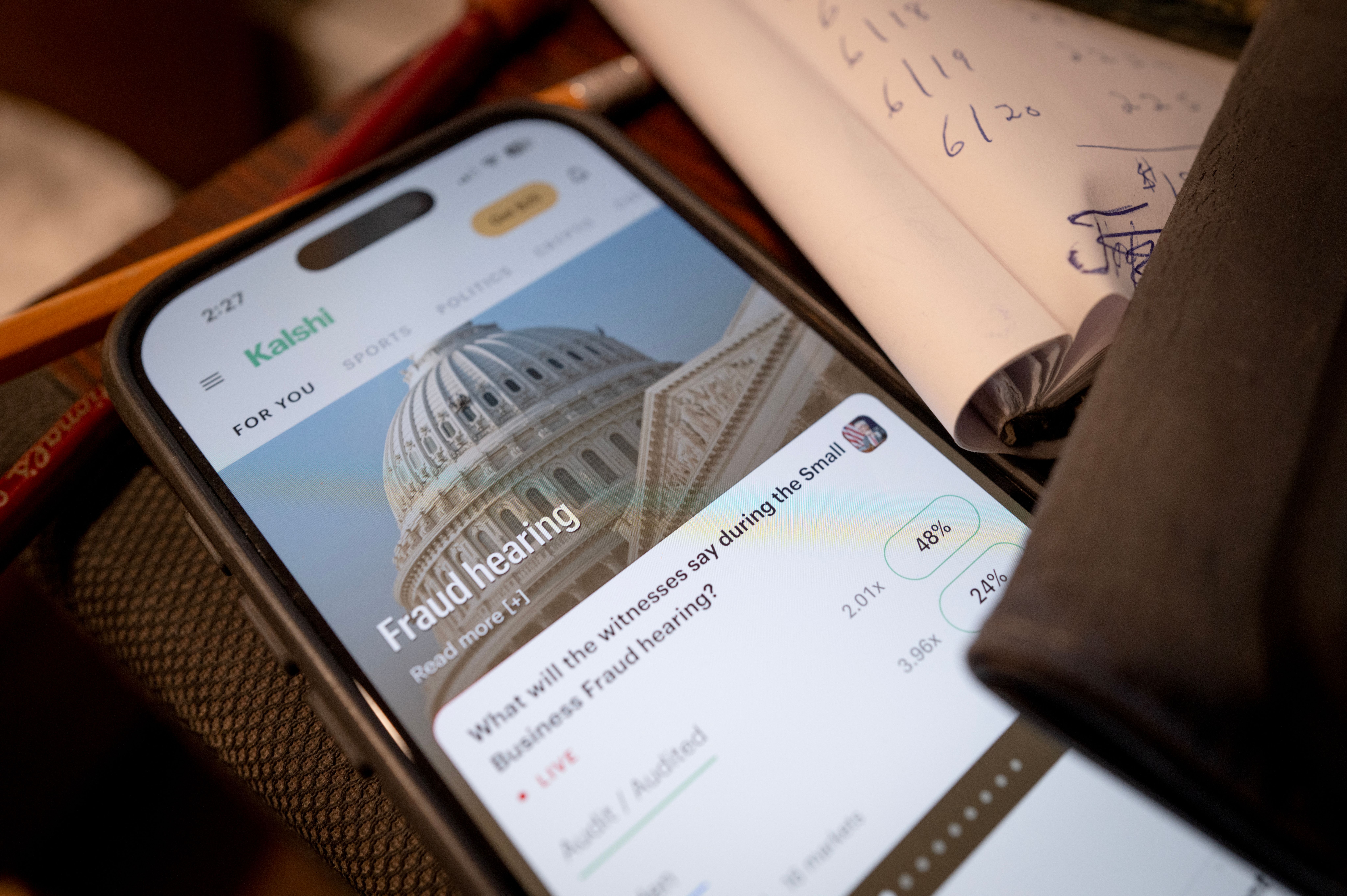
A new report from Bank of America reveals that Kalshi, a federally regulated exchange, now controls roughly 89% of measured U.S. prediction market volume. That leaves Polymarket at 7% and Crypto.com at 4% — a sharp contrast from just weeks ago when Polymarket was surging.
Weekly volume tells the story
Total weekly volume rose 4% week-over-week, per the report. Kalshi led gains with a 6% increase; Crypto.com posted a smaller uptick. Polymarket, however, saw volumes fall 16%, reversing its recent momentum. The shift signals consolidation around platforms with clearer regulatory footing.
Financial instruments vs. gambling
The core divide is legal: Kalshi operates under CFTC oversight, classifying its contracts — including political and sports outcomes — as derivatives. Polymarket runs on blockchain rails, historically outside U.S. regulatory boundaries, letting users trade event outcomes with crypto but facing domestic restrictions.
State regulators have stepped in. Nevada and Massachusetts secured preliminary injunctions against Kalshi at the state level; New Jersey lost an appeal limiting its ability to enforce gambling laws. Meanwhile, the CFTC has sued multiple states, arguing federal law preempts state-level gambling rules. CFTC leadership distinguishes sports betting (entertainment) from event contracts (hedging tools).
What a federal win could unlock
A federal victory would let platforms like Kalshi scale nationally under a single framework. A loss could push the market into a state-by-state model, similar to online sports betting, slowing growth. Crypto firms still jockey for position: Binance added prediction market features to its wallet this week, while Crypto.com and Coinbase experiment with similar products.