Market Shock from Meta's Compute Sale
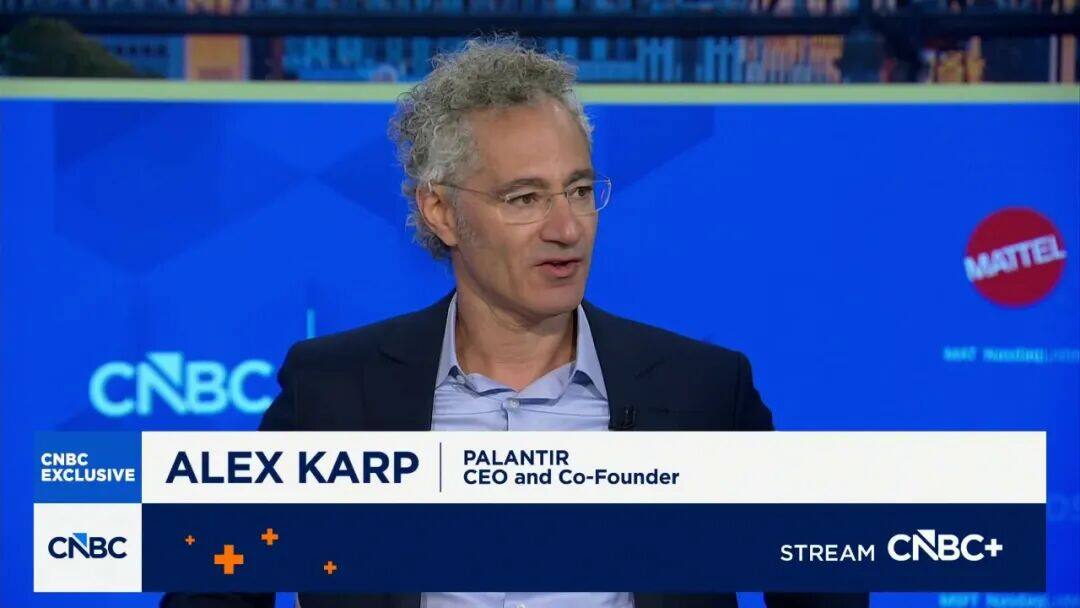
AI stocks corrected sharply after Meta signaled it might sell excess compute capacity. Unlike cloud providers, Meta historically bought GPUs and built data centers for its own models, ads, and superintelligence ambitions. Now, renting out idle hardware suggests utilization has become a pressing issue. Palantir CEO Alex Karp went on CNBC to denounce the token billing model of OpenAI and Anthropic, calling it 'paying for tokens that create no value and handing over your data' — effectively a 'wealth tax' on enterprises. This marks a turning point in AI capex narrative: from 'who can spend fastest' to 'who can keep machines busy'.
Demand Hasn't Disappeared, It's Becoming Selective
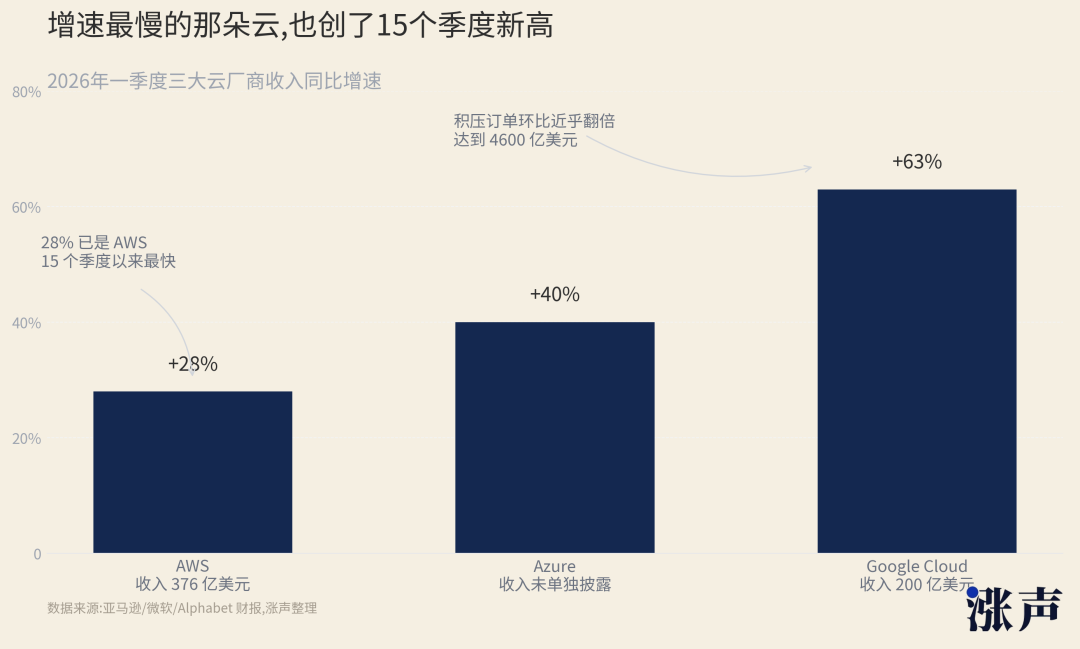
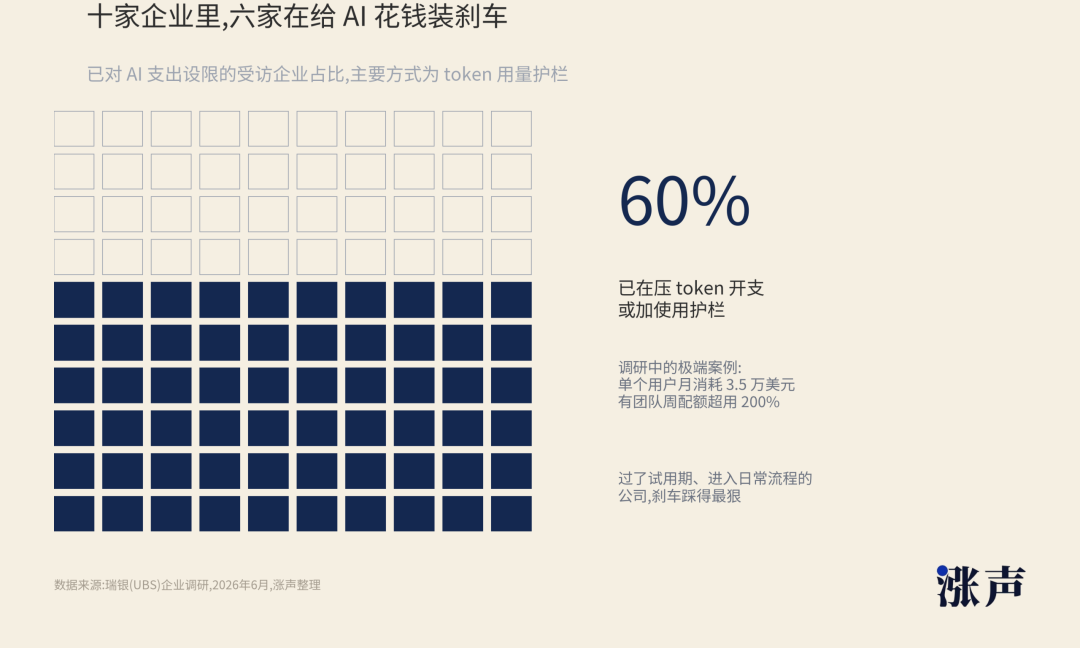
Major cloud providers continue to grow: AWS Q1 revenue hit $37.6B (+28% YoY), Google Cloud reached $20B, Microsoft Azure maintained ~40% growth. Amazon, Alphabet, and Meta each guided 2025 capex to $200B, $180-190B, and $125-145B respectively. AWS raised GPU reservation prices by ~20% in June (after a 15% hike in January), signaling sustained scarcity. But model companies face divergence: Anthropic receives compute support because users pay for complex tasks; xAI's compute flows to Anthropic as machines don't care about founders. Google even restricted Meta's access to Gemini because Meta's demand exceeded supply — a mismatch, not a glut. UBS surveys show 60% of enterprise IT leaders are capping token spend and adding guardrails. Coinbase switched its default AI model to Chinese open-source models (GLM-5.2, Kimi 2.7), cutting AI costs in half while token usage grew exponentially. Open-source models are becoming procurement leverage, enabling multi-model purchasing.
Compute Isn't Disappearing, It's Stratifying
The compute market has moved from a total-addressable story to a structural one. Top tier: frontier models and stable GPU clusters remain scarce; AWS's price hikes prove certainty commands a premium. Middle tier: adequate but not scarce; customers compare, bargain, and ask why not use cheaper models. Bottom tier: open-source models and cost optimization compress prices through routing, caching, and context shortening. AI agent tasks consume up to 1000x more tokens than basic chat, with 30x variance across runs; tokens become an electricity meter. CFOs now ask: which tasks require the best model, and which can use sufficient alternatives? This drives model routing and multi-vendor strategies. Cloud vendors sell certainty, strong model companies sell bottlenecks, and those in between are forced to rent or discount. Meta's compute sale isn't a demand collapse but a first glimpse into the warehouse: some machines feed frontier models, some are rented, some compete on price, and some wait for an app yet to appear.

Conclusion: From Aggregate Growth to Structural Optimization
Meta selling compute, Palantir railing against tokens, and the rise of open-source models all point to a fundamental shift: the AI supply chain is stratifying, and each tier faces a different fate. The 'not enough resources' narrative that drove two years of rush investment is giving way to utilization metrics. Markets no longer reward only those who buy the fastest; they reward those who generate sustained cash flow from hardware. AI will keep growing, but the growth path has pivoted from brute-force expansion to surgical efficiency. For investors, the key is distinguishing assets with irreplaceable certainty from those that could become inventory. Compute hasn't disappeared, but its profitability model is being rewritten.