
Elon Musk said Grok Bot will call outside models when they are better suited to a task.
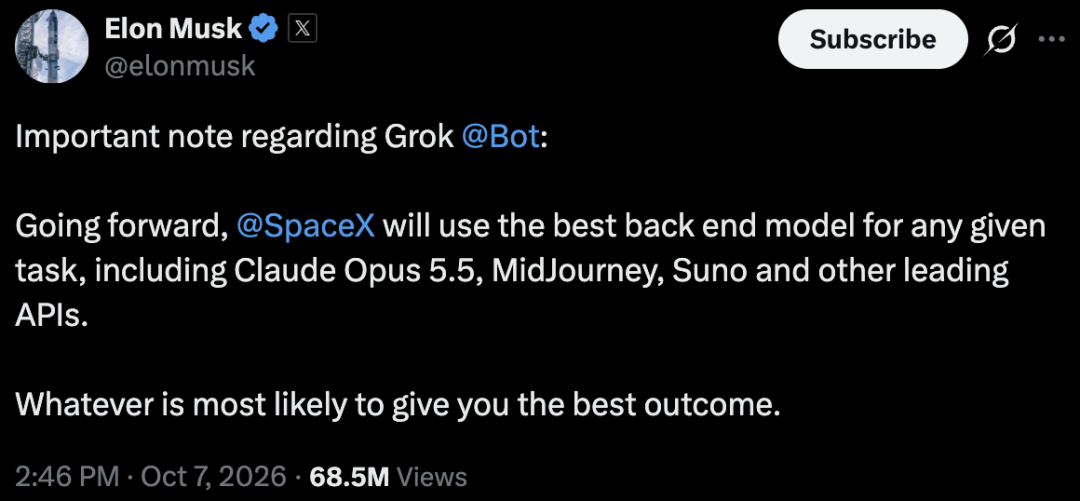
In a post on X on Oct. 7, Musk said the assistant will choose the backend model that is most appropriate for the job and specifically named Claude Opus 5.5, Midjourney, Suno and "other leading APIs." His standard was blunt: use whichever option is most likely to deliver the best result.
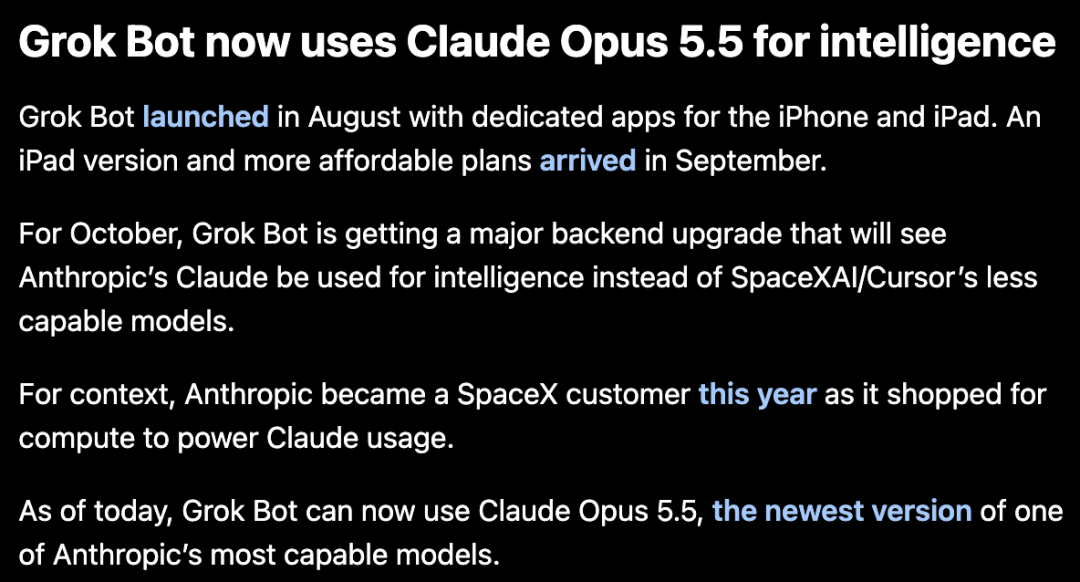
That means a task handed to Grok Bot may not be completed solely by xAI’s own model stack. According to 9to5Mac, Grok Bot can already use Claude Opus 5.5.
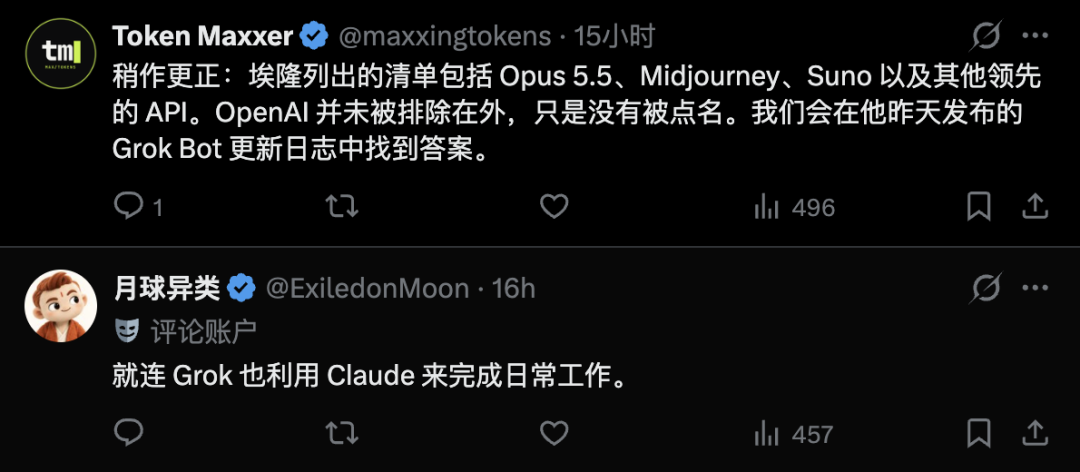
The reaction online focused on what Musk did and did not say. X user ExiledonMoon joked that even Musk’s AI assistant has started asking Claude for help. Another user, Token Maxxer, noted that Musk’s list also included "other leading APIs." OpenAI was not named, but it was not explicitly ruled out either.
Using a rival model can still help Grok keep the user
Musk’s emphasis on the "best result" points to a practical goal: complete the user’s task well, without forcing one in-house model to handle every step.
If Claude does a certain type of work better, plugging it into Grok Bot could reduce the chance that users leave because the experience falls short. Even when Anthropic supplies part of the underlying capability, the place where users submit requests, connect tools, track progress and receive output can remain Grok Bot.
In that arrangement, Anthropic provides model capacity while Grok Bot organizes the workflow and delivers the final result. If the task gets done smoothly, users may still come back to Grok Bot first the next time.
Grok Bot is trying to handle an entire job, not a single prompt
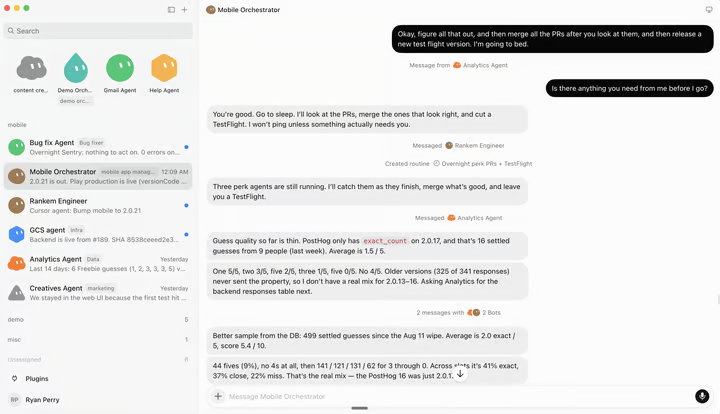
The Grok Bot referenced by Musk entered beta on Aug. 11. According to the official description cited in the report, the assistant comes with a cloud computer, can use tools, sign in to apps and work across software. Multiple bots can also communicate with one another, share task context and split work, allowing a job to continue after the user steps away from the computer.
Musk’s comments about Grok Bot do not mean the Grok chat experience on X is about to switch wholesale to Claude. His list included not only Claude but also Midjourney for images and Suno for music, spanning text, image and audio generation.
That mix reflects a straightforward use case. Finishing a single piece of work often requires several capabilities at once. A short video, for example, may need copy, a cover image and background music. Several AI tools can produce those parts quickly, but users still end up repeating instructions, moving files between windows and coordinating revisions.
If Grok Bot can call the right model for each step and connect those steps into one flow, it can take on part of that coordination burden. From the user side, the ask is simple: switch between fewer tools and explain the same request fewer times.
The platform picks the model, but usage and cost remain visible
As more models are added, another question appears: does a bigger menu create more decision fatigue for users.
Grok Bot’s documentation, as cited in the article, answers that directly. Model selection is managed by the platform, there is no user-facing menu for choosing models, and the mix of models used in practice may change over time.
In other words, the user assigns the task and the system chooses the model. A person does not need to stop and decide whether Claude or Grok should write code, or compare image tools before generating artwork.
That does not mean the process is fully opaque. The documentation says usage analytics will show which model was actually used, and billing is calculated based on the model that handled the work. Those details give users a way to see where money was spent and decide whether the output justified the cost.
AI-driven model routing already has precedents
Letting a system assign work across models is not new.
In 2023, HuggingGPT tried a setup in which ChatGPT broke down a user request, picked suitable models based on descriptions published on Hugging Face, then had the system call those models and combine the results.
OpenAI’s Decisions API, now in public beta according to the report, offers another tool for this kind of selection. Developers provide task information and candidate options, GPT-6 Luna returns a judgment, and the application takes the next step based on that judgment. In a multi-model assistant, that logic can help decide which model should handle a given task.
The advantage of automated routing becomes clearer when a single workflow requires repeated model calls. Basic information cleanup, complex reasoning and final polishing do not demand the same level of capability. A system that makes decisions step by step may reserve stronger and more expensive models for the parts that truly need them.
Research points to cost savings, but not to Grok Bot’s real-world results
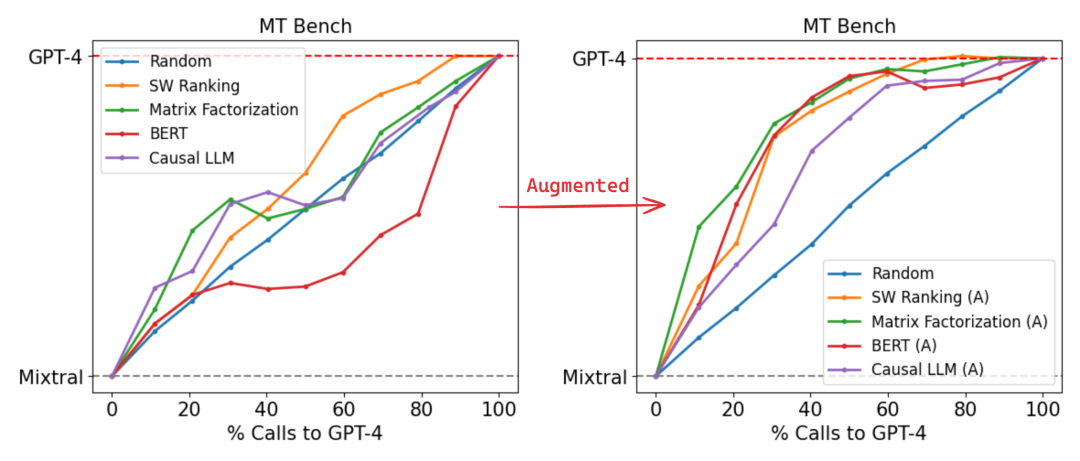
The article cites one research example on the cost side. RouteLLM research published in 2024 found that on MT-Bench, routing requests between GPT-4 and Mixtral reached about 95% of GPT-4’s benchmark performance while cutting costs by more than 85% compared with using GPT-4 for every request.
Still, that comparison is between automated routing and fixed GPT-4 use. It does not prove that AI always picks models better than humans do, and it does not translate directly into measured performance for Grok Bot. More public information would be needed to judge how Grok Bot makes routing decisions in practice.
The "right" model depends on time, cost and output standards
The article also argues that there is no universal definition of what counts as the right model. Some users care most about speed. Others want to minimize spending. Others are willing to pay more and wait longer for better output.
Even within image generation, standards vary. A temporary visual for quick use is not the same as a set of posters ready for publication. An assistant therefore has to understand the user’s actual requirements before deciding which capabilities to call. A strong model alone does not guarantee the result the user wants.
For users, whether automatic selection truly saves effort also depends on the time spent checking, editing and reworking the output afterward.
Grok Bot and OpenAI Dots are chasing the same assistant role
OpenAI is part of the same broader race. On Sept. 29, OpenAI released Dots, described in the article as an always-on agent with its own cloud computer that can connect to apps and keep working after the user leaves.
Dots and Grok Bot are competing for the same thing: becoming the AI assistant users are willing to hand tasks to over the long term.
At the same time, assistant-level competition does not rule out cooperation at the model layer. The report says that if Grok Bot eventually adds OpenAI models, a user could assign the work to Musk’s assistant while an OpenAI model completes part of it behind the scenes. For now, that remains only a possibility. Musk explicitly named Claude this time and did not confirm any OpenAI integration.
Retention may come down to continuity, not just model access
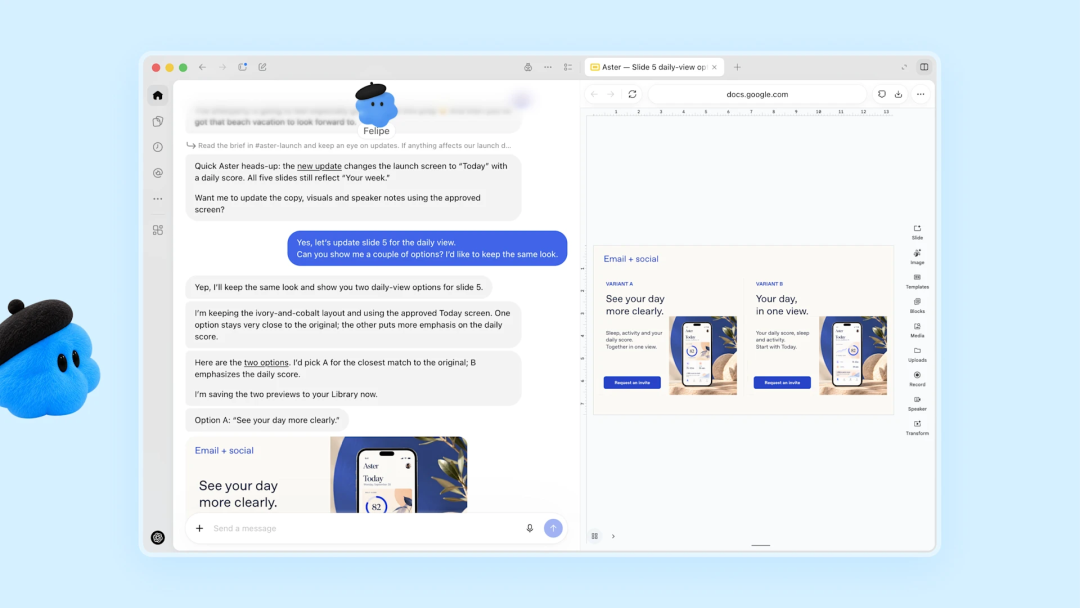
If different assistants can call similar or even identical models, the deciding factor may not be only who integrated which model first. It may also be which assistant understands the user better and can continue work from where the last task stopped.
If one assistant already knows a user’s writing preferences, image style and earlier files, that assistant is easier to return to the next time a task appears. Switching to another assistant can mean re-explaining context, reconnecting tools and reworking the process from the beginning.
Adding Claude increases the pool of capabilities available to Grok Bot. Whether users actually feel the benefit will depend on concrete experience: can it keep revising when requirements change, can it continue a half-finished job, and how much cleanup still falls back on the user after delivery.
Those factors are likely to shape which assistant gets the next task.