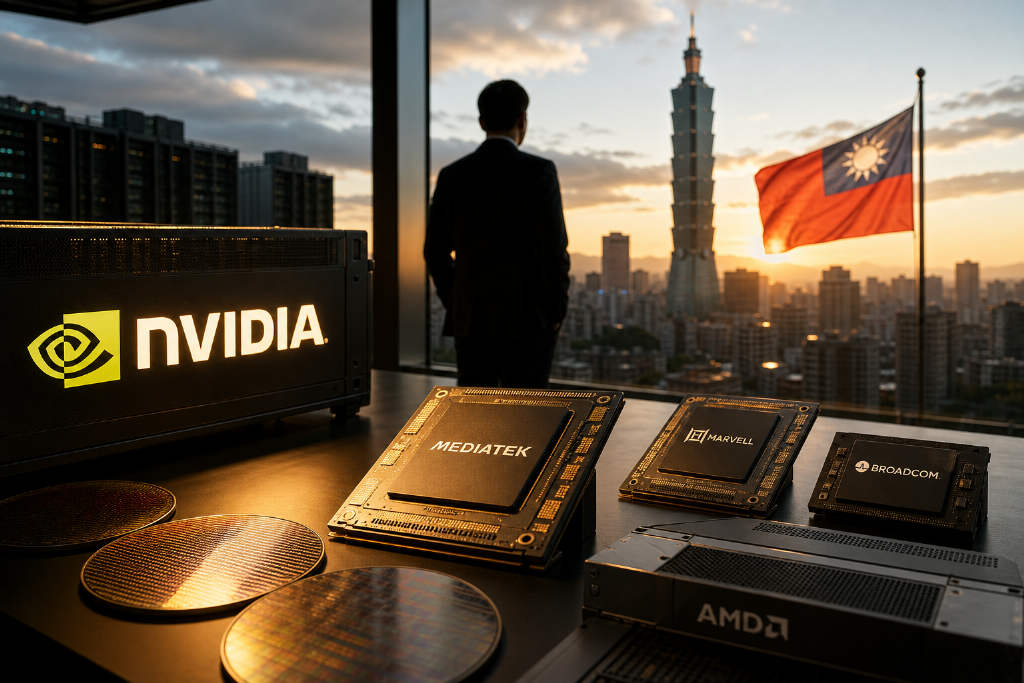
Serenity, known in Chinese crypto circles as the “white-haired stock god,” said Nvidia’s $3.5 billion investment in MediaTek looks like more than a financial deal. In his view, the move suggests Nvidia is using capital and strategic partnerships to identify and back likely winners in the next wave of application-specific integrated circuits, or ASICs, with MediaTek and Marvell standing out as possible beneficiaries. He compared the approach to Nvidia’s earlier support for neocloud companies such as Nebius and CoreWeave, where Nvidia helped potential leaders scale and then built deeper financial and strategic ties with them. Serenity argued that this playbook helps Nvidia reinforce its leading position across the AI infrastructure supply chain. He also said the move could create a second-order effect for Broadcom by weakening its relative advantage in ASICs, while at the same time pushing AMD, Broadcom and some large cloud service providers into closer cooperation. Serenity added that the development matters because it could strengthen Nvidia’s strategic position in the AI inference market and weaken the bearish view that hyperscalers’ in-house ASIC efforts will pose a lasting challenge to Nvidia.
Serenity said Nvidia’s $3.5 billion investment in MediaTek may signal that the company is using capital and strategic partnerships to actively pick potential winners in the next generation of application-specific integrated circuits, or ASICs. He said Marvell and MediaTek could be among the clearest examples.
Nvidia’s playbook, in Serenity’s view
According to Serenity, the approach resembles Nvidia’s earlier backing of neocloud companies Nebius and CoreWeave. The idea, he said, is to help potential industry leaders grow first, then build deep financial and strategic ties with them, reinforcing Nvidia’s dominant position across the AI infrastructure supply chain.
Possible knock-on effects for Broadcom and others
Serenity said the strategy could have a “second-order effect” on Broadcom by weakening its relative edge in ASICs. He also said it may push AMD, Broadcom and some large cloud service providers to deepen cooperation.
He added that the move deserves close attention because it could strengthen Nvidia’s strategic position in the AI inference market, while also weakening the bearish thesis that hyperscalers’ in-house ASIC development will remain a long-term challenge to Nvidia.
This article was originally published by Bit.Fan. For more cryptocurrency news and market insights, visit www.bit.fan. Disclaimer:
The market information, project data, and third-party content displayed on this platform are for industry information sharing only and do not constitute any form of investment advice or return commitment.
Cryptocurrency trading carries high risks. Users should fully assess their risk tolerance and make independent decisions. All profits, losses, and legal responsibilities are borne by the users themselves.