
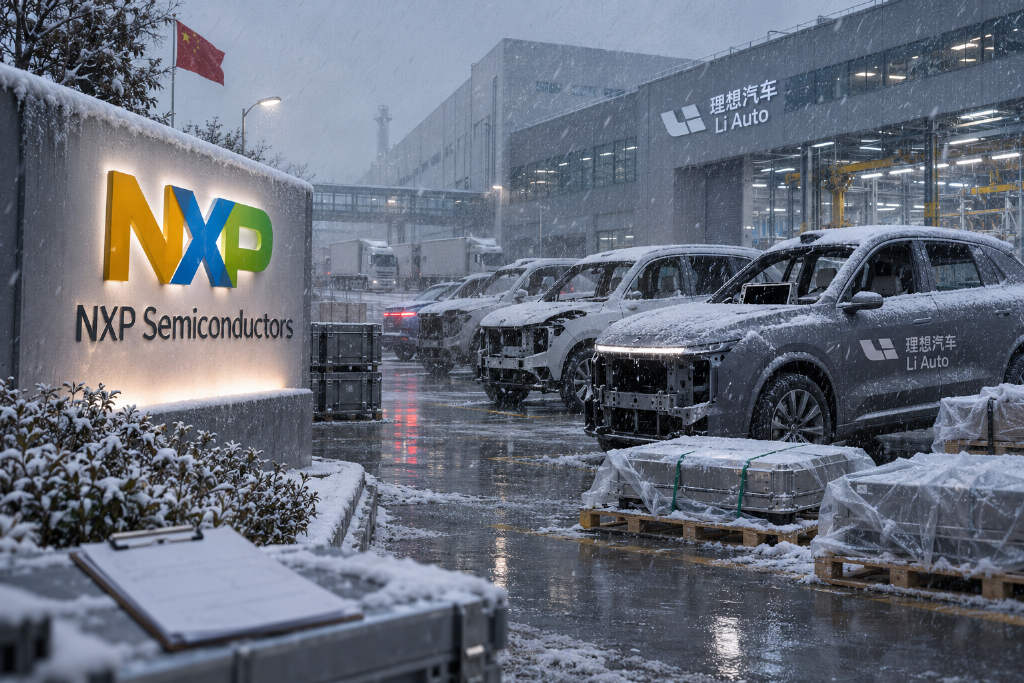
Automakers are facing another round of cost pressure from the chip supply chain. According to the report, global semiconductor supplier NXP Semiconductors has sent a letter to distributors saying it plans to adjust prices for parts of its distribution and direct-supply product lines, with the new pricing set to take effect on Jan. 1, 2027.
The notice is NXP’s third price adjustment of 2026. The company had already issued two earlier notices in March and May, telling customers it would raise prices because of ongoing inflation-driven cost pressure, including higher raw material, energy, labor, logistics, and supplier input costs.
Public information cited in the report describes NXP as a leading supplier in automotive chips. The company is focused on products tied to software-defined vehicles, including the S32 series automotive processors, the S32N5 central computing platform chip, in-vehicle networking chips, and radar chips.
Rising chip costs are feeding into vehicle economics
Changes in automotive chip supply and pricing usually move down the chain to carmakers. UBS estimated that memory chip price increases alone could lift the cost of a single higher-end smart-driving vehicle by several thousand yuan to more than 10,000 yuan.
Data from the China Passenger Car Association showed that in the first three quarters of this year, the auto industry generated 8.04 trillion yuan in operating revenue, up 2.6% year over year. Operating costs reached 7.16 trillion yuan, up 3.8%. Total profit came in at 267.5 billion yuan, down 23%, while the cumulative sales profit margin was 3.3%, extending the sector’s multi-year decline in profitability.
Pressure was sharper in September. The industry produced 3.06 million vehicles that month and recorded 1.04 trillion yuan in revenue, up just 0.6% from a year earlier. Operating costs rose 2.5%, monthly profit dropped 68% year over year to 14.2 billion yuan, and the monthly sales profit margin fell to 1.4%, the lowest level in nearly four years.
Using total industry profit and output as a rough measure, the report said average profit per vehicle produced in September was about 4,640 yuan. Cost growth is still outpacing revenue growth, leaving the sector with higher sales but weaker earnings.
Component shortages are also disrupting deliveries
The report says carmakers are dealing with both higher input costs and supply interruptions in key parts. Models from Li Auto and Geely have both been linked to raw material shortages that directly affected delivery schedules.
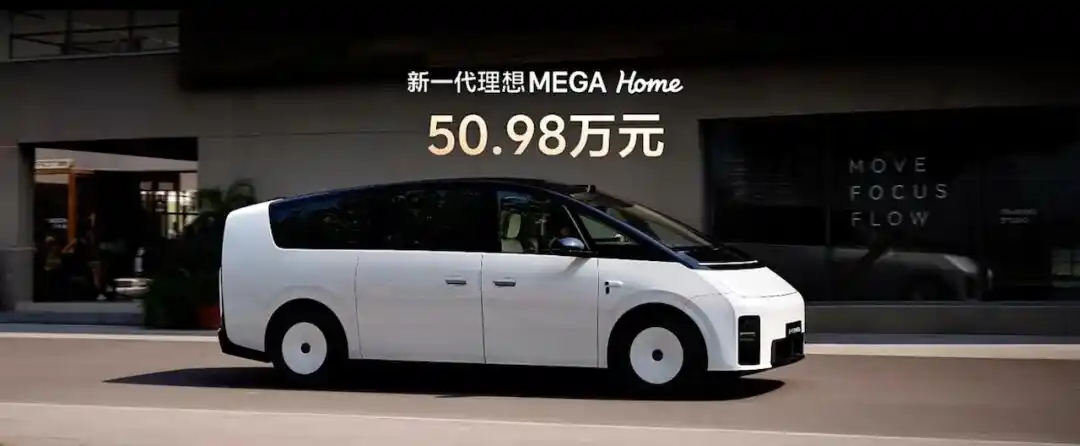
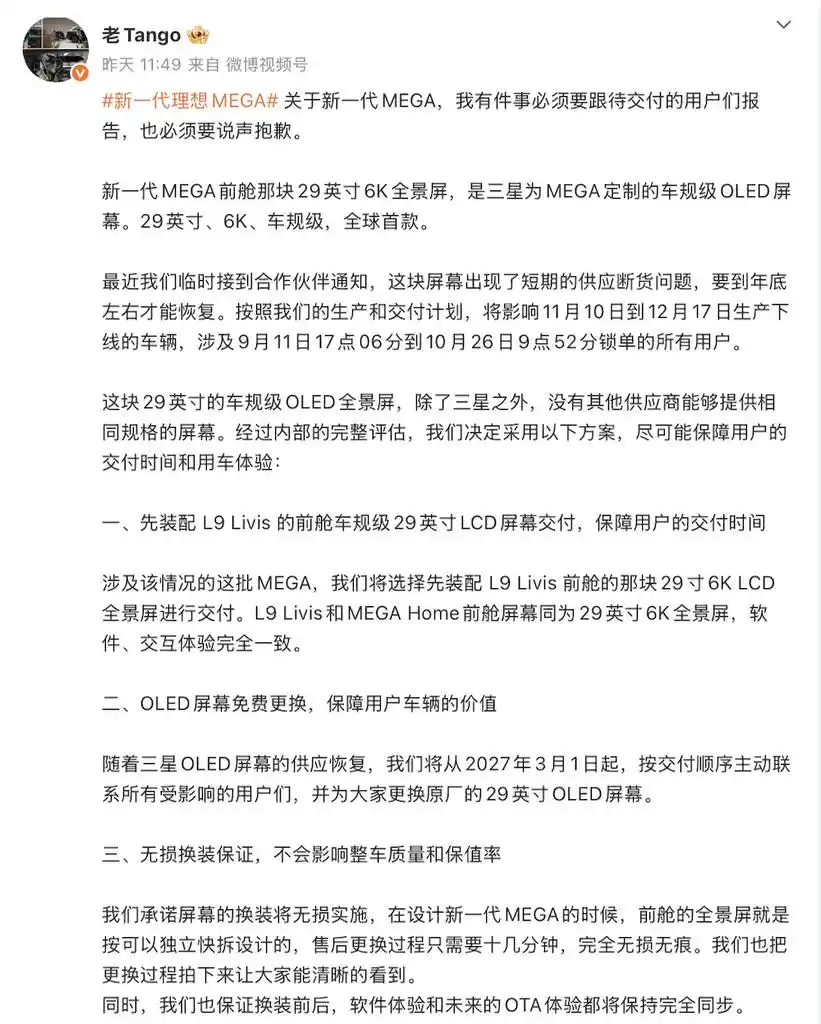
Li Auto product line head "Lao Tango" recently posted an apology over a screen supply disruption affecting the new-generation MEGA. The vehicle uses a 29-inch 6K panoramic display in the front cabin, a Samsung automotive-grade OLED screen customized exclusively for the MEGA. The report says the screen is now out of stock, affecting deliveries for vehicles locked between 17:06 on Sept. 11 and 09:52 on Oct. 26 and scheduled to roll off the line between Nov. 10 and Dec. 17.
Li Auto’s solution is to install the 29-inch 6K LCD screen used in the L9 Livis first to keep deliveries moving. For the Samsung OLED version, the company expects to begin large-scale screen replacement service on March 1, 2027, and will compensate users with a three-year service package.
This was not the first core component shortage to hit the MEGA this year. In late October 2026, multiple domestic media outlets reported that prospective owners of the new-generation Li Auto MEGA were told that orders locked before 15:00 on Sept. 7 and originally configured with CATL’s 5C ternary lithium battery could not be delivered as scheduled. Those orders would instead switch to Li Auto’s in-house "Lianshan" battery because, as the report put it, "CATL batteries were gone."
Li Auto offered two options for affected customers:
- take delivery with the in-house battery and receive benefits worth 3,500 yuan; or
- cancel the order, get the 5,000 yuan deposit back, and receive another 5,000 yuan in compensation.
The company also said it had been trying to secure more battery allocation but still faced a shortfall.
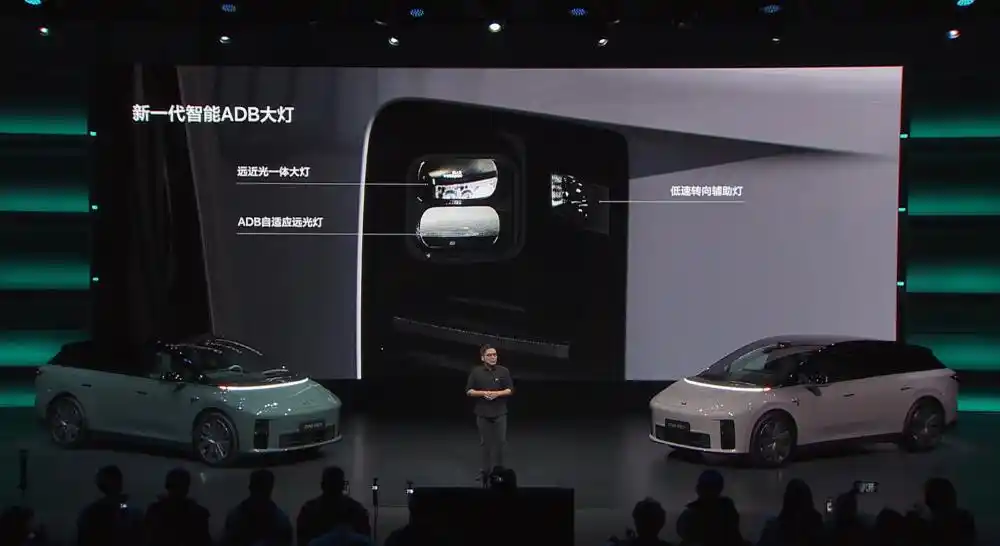
The Li i6 also faced similar issues. In the second half of July this year, Li Auto product line head Li Xinyang said front headlight supply saw a "brief fluctuation," cutting monthly output by about 4,000 vehicles from the original plan. Earlier in the year, the i6 also saw delivery delays because battery capacity ramp-up fell short of expectations.
Automakers are being tested on cost control and supply security
The report frames the current pressure as a double squeeze of rising prices and product shortages. On the cost side, higher prices for raw materials, energy, and logistics are being passed through to vehicle manufacturers. On the delivery side, a shortage of a headlight, a display, or a battery pack can be enough to slow a production line that is already running.
With industry profitability still weakening, the challenge for automakers is no longer limited to short-term procurement costs. The report says it has become a broader test of supply assurance, delivery execution, and product rhythm management after profit margins have been compressed.
The original article was published by the WeChat account Che Dongxi and credited to author Er Yan, edited by Zhi Hao.



