
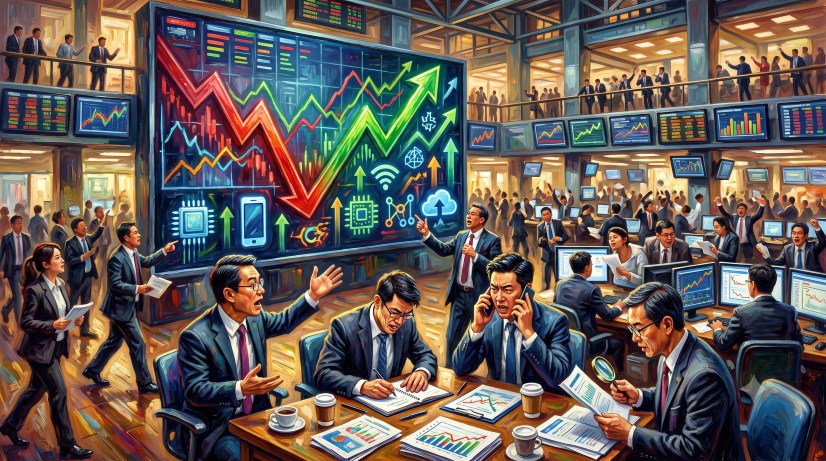
Brent crude climbed above $91 a barrel as geopolitical tensions in the Middle East intensified, while a stronger U.S. dollar and a selloff in technology shares added to pressure across global markets. Investors are now watching this week’s U.S. July Purchasing Managers’ Index and upcoming earnings from Alphabet and Tesla for signals on economic resilience and the path of monetary policy.
Middle East tensions lift oil above $91
The report said U.S. forces and Iran exchanged attacks over the weekend, with the conflict spreading beyond military targets. Several southern Iranian cities were affected, along with power generation and seawater desalination facilities in Kuwait.
That escalation pushed Brent crude back above $91 a barrel, its highest level since June 11. Oil has gained more than 20% this month, raising concerns that inflation pressure could build again. Haven demand also supported the dollar against most major currencies. Gold, by contrast, fell 0.5% on interest-rate outlook concerns and slipped below $4,000 an ounce.
Chip shares enter a bear market
Technology stocks have come under heavier selling as the macro backdrop turned more volatile. The Philadelphia Semiconductor Index officially entered bear market territory last Friday. The report pointed to a new AI model released by Chinese startup Moonshot AI as a key source of disruption, saying it challenged prior market assumptions that the U.S. held an unquestioned lead in the field.
AI demand and corporate profits remain solid for now, but investors are questioning whether heavy spending can keep translating into durable growth. The MSCI Asia Pacific Index has fallen more than 9% from its June high and is nearing correction territory.
PMI and earnings take center stage this week
Attention is shifting to macro data and earnings. Federal Reserve Chair Kevin Warsh has reiterated that lowering inflation remains the top priority. Traders are closely watching the U.S. July PMI release. If the data shows the economy is still resilient, the report said, expectations for a Federal Reserve rate hike in September or October could strengthen.
Big Tech earnings are the other main focus. Alphabet (GOOG) and Tesla (TSLA) are scheduled to report second-quarter results after the U.S. market closes on July 22, which falls in the early hours of July 23 in Taiwan time.
For Alphabet, the market is focused on whether Google will keep increasing capital expenditures, the growth rate of its cloud revenue, TPU chip sales, and the commercial progress of the Gemini model in AI. For Tesla, investor attention is centered on the latest developments involving the Optimus humanoid robot.
Taiwan night session rebounds, but positioning stays weak
All four major U.S. stock indexes ended lower on Friday. Competition in AI models continued to weigh on technology shares, with the Philadelphia Semiconductor Index down 1.63%, leading the declines.
Taiwan stocks, however, staged a sharp rebound in night trading, rising 877 points, or 2.06%. Even so, the report said foreign investors were heavy sellers in the cash market and increased net short futures positions to another record high, leaving market positioning bearish. A short-term rebound remains possible, but overhead selling pressure from trapped positions is still a risk, and whether the market can reclaim its seasonal moving average is a key point to watch.
South Korea and Japan also in focus
South Korean stocks were closed last Friday and avoided the selloff. The market is now watching whether Samsung and SK Hynix can stabilize. Japanese markets are closed Monday for Marine Day.