
A split that reshaped the AI industry did not begin with a resignation announcement in late 2020. According to a Sept. 29 report by The Atlantic's Kevin Roose, based on interviews with more than 150 people over several years, the rupture between OpenAI and the team that later founded Anthropic reaches back to a 2017 internal proposal known as the "Countries Plan."
The break became unmistakable in December 2020. During an OpenAI all-hands video meeting, then-policy chief Jack Clark typed, "I love you all," and seven core members of the company were abruptly cut off. Their meeting access ended, their email and Slack permissions were revoked, and their laptops were remotely locked. The group was led by Dario Amodei, OpenAI's then-vice president of research.
Five years later, the seven people who left to form Anthropic are running a company with thousands of employees, competing head-on with OpenAI in the race toward AGI. But the personal and institutional hostility described in the report has not disappeared.
A 26-page paper and Amodei's rise inside OpenAI
Amodei joined OpenAI from Google in 2016. Colleagues described him as brilliant and stubborn. He was known for writing long internal memos, and in 2017 he produced a 26-page paper titled Big Blob of Compute, arguing that machine intelligence is fundamentally a function of scale: bigger models become more capable.
That idea helped push OpenAI toward large language models and laid groundwork for GPT-2 and GPT-3. Amodei's team also developed the "scaling laws" used to predict model performance gains and helped pioneer reinforcement learning from human feedback, or RLHF, as a way to steer models away from harmful outputs.
Even as his influence grew, the report says he was becoming convinced he would not stay to build GPT-4 at OpenAI.
The "Countries Plan" and the first major break in trust
Amodei's confidence in OpenAI leadership eroded over time. He came to see Sam Altman as a "two-faced manipulator" and president Greg Brockman as power-hungry and reckless. He also opposed OpenAI's move toward commercialization, viewing it as a departure from the organization's original commitment to operate without being constrained by the need to generate financial returns.
One person who spoke with Amodei said he viewed OpenAI as "a farce" run by people lacking integrity. The same person said, "Every day there was a new crisis, and if Dario didn't have an absolute fit, Sam would do some new crazy thing within 24 hours."
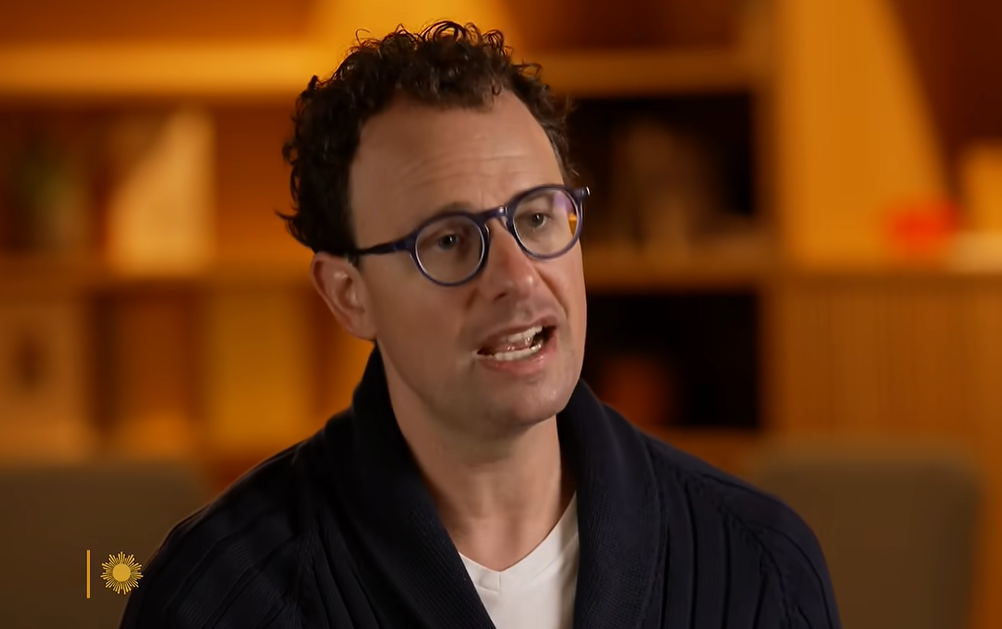
The first major trigger came in 2017, when Elon Musk was pulling back from OpenAI and the company needed funding. According to five people familiar with the matter, Brockman and Ilya Sutskever developed a fundraising concept called the "Countries Plan." The idea was to auction off rights to OpenAI's future AGI technology among governments, including the United States and other major powers.
The logic, as described in the report, was that AGI would eventually be treated as a matter of national security and taken from private hands anyway. If that was the likely outcome, they reasoned, OpenAI could sell those rights earlier and use the proceeds to fund development.
One person who heard the pitch recalled it this way: "It sounded like tech people pitching a crazy startup with a weird plan, and the final step was: we'll get the government to pay for it."
Amodei was appalled. He believed selling AGI to governments ran directly against OpenAI's mission. In December 2017, he sent an email to Brockman, Sutskever, and other executives, writing: "As I see it, this plan would not reduce the arms race, but intensify it, could lead to human rights abuses ... and would destroy OpenAI's moral legitimacy." He argued that OpenAI should optimize for "benefiting humanity."
An OpenAI spokesperson later told The Atlantic that the company had "briefly considered whether to turn OpenAI into an international cooperative project," but had "never considered selling AGI to any country."
The proposal was eventually shelved after Microsoft entered the picture. But for Amodei, the fact that Brockman and Sutskever had seriously entertained what he saw as a morally repellent idea left a lasting mark.
Client lists, Microsoft negotiations, and the Kanye West episode
The next two years brought more incidents that, in Amodei's view, confirmed his doubts.
During the private beta of GPT-3, he asked Altman for a list of approved customers. Altman sent one. Amodei later claimed he discovered a second, longer list of approved users that Altman had not mentioned.
Another dispute emerged during negotiations over Microsoft's $1 billion investment. Amodei pushed to preserve OpenAI's "merge and assist" clause, which said OpenAI should stop competing and help another AGI project if that project appeared safer. He argued Microsoft should not have veto power over a future acquisition of OpenAI, because an acquisition was the most likely route for that clause to matter in practice.
Altman told him Microsoft would not accept the provision. Amodei came to believe Altman had either dropped the issue in order to close the deal quickly, or never raised it at all, and then lied to him about it.
Some decisions struck him as absurd on their face. In 2020, Altman met with rapper Kanye West and proposed giving him access to the GPT-3 beta. At the time, Kanye had recently posted a video that appeared to show him urinating on a Grammy award and was described in the report as mentally unstable. Policy director Jack Clark ultimately shut the idea down.
Any one of these episodes might not have been enough to force a break. Taken together, they led Amodei to a harder conclusion: AGI was too powerful to leave in the hands of people he no longer trusted.
A safety faction forms inside OpenAI
Amodei's sister, Daniela Amodei, was also growing disillusioned with OpenAI. She had worked in politics and was described as a high-emotional-intelligence manager who complemented her brother's technical intensity. As she took over more technical teams, her clashes with leadership increased.
Daniela had an unusual way of processing management conflicts: a "stuffed-animal advisory council." She and board member Holden Karnofsky collected plush toys and assigned them roles. Jinji, a lazy cat, encouraged her to cancel meetings and do less work. A pink bear named Maura represented a detail-oriented Type A manager. A panda called Beary Bonds stood for generosity and empathy. She used the characters in a kind of role-playing exercise.
By 2020, the Amodei siblings had built a tighter internal circle at OpenAI. They created private Slack channels filled with safety jargon that nontechnical staff often did not understand. One former colleague recalled that Dario would often say, in effect, "We have to do X; it's the morally right thing to do," using safety as the decisive argument. That approach irritated teams outside the safety camp.
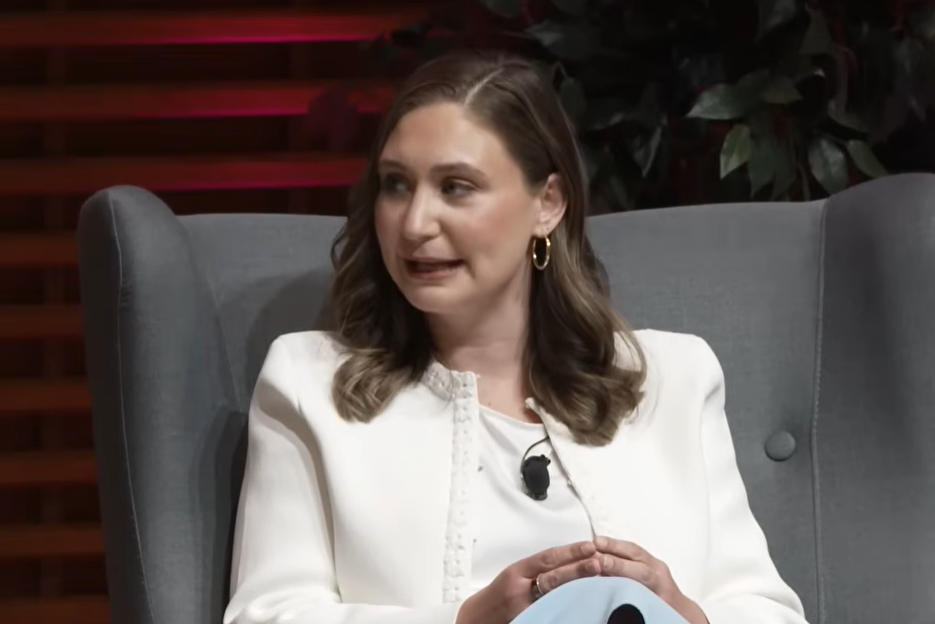
In 2019, Amodei at one point considered leaving for DeepMind. Jared Kaplan, the physicist leading scaling-law research, suggested a different path: if the philosophical divide could not be resolved, why not leave with the people who cared most about safety and start a new company?
By 2020, the same year GPT-3 was released, Amodei had assembled seven co-founders.
Before the final break, he presented Altman with a list of conditions for staying, including a demand that the safety team receive veto power over new product launches. He reportedly knew the proposal would probably be rejected and hoped it might still force concessions.
During those talks, the seven created a secret Slack channel called "BATNA," a business-school acronym for "best alternative to a negotiated agreement." In plain terms, they were preparing to walk.
The all-hands resignation and the blackout
Once it became clear Altman would not meet their demands, the BATNA group hired lawyers and began negotiating what they called the terms of a "divorce."
The two sides reached an agreement. The departing team would be allowed, over a period of weeks, to recruit the employees they wanted, in exchange for a one-year no-poach commitment after that. They could take some internal research documents. Both sides also signed a non-disparagement agreement and agreed not to attack each other in public.
Then came the December 2020 all-hands meeting. Altman opened as usual with research updates, then handed the floor to Amodei.
Amodei calmly announced that he and six other leaders were resigning to start a new AI organization focused on safety. The chat window filled with shocked emoji and exclamation marks. Employees immediately began asking who would train GPT-4 and who their new managers would be.
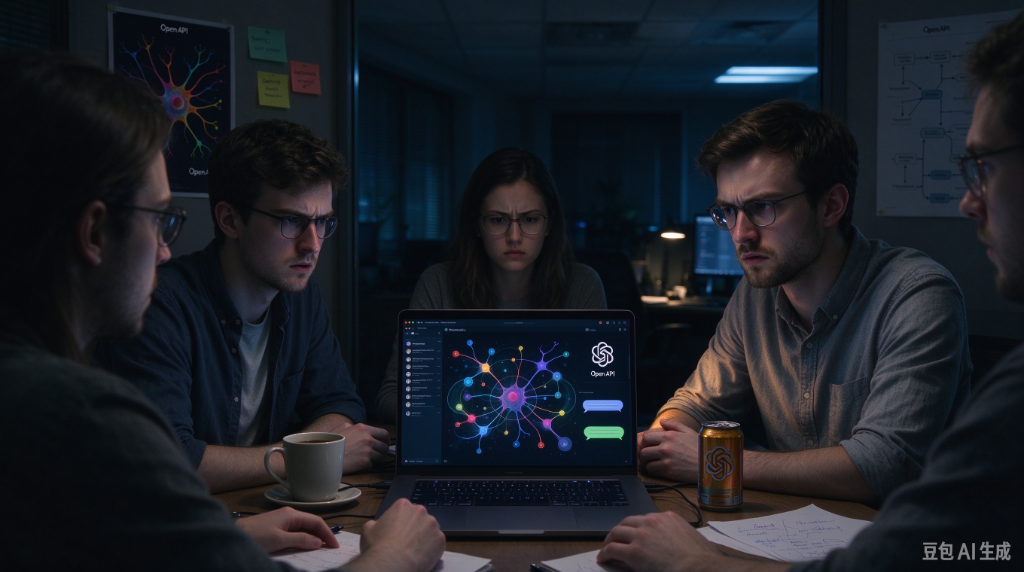
In the middle of that confusion, Jack Clark typed one final line: "I love you all."
A moment later, all seven screens went black.
OpenAI had removed them from the meeting, cut off their email and Slack access, and remotely locked their laptops.
Hours later, the newly unemployed founders held their first video call. They had no computers, no GPUs, no data, and not even a settled company name. The group had considered calling the new venture Sparrow Systems before choosing Anthropic. Even so, they raised glasses on camera and celebrated. The report says they looked happier than they had in months.
From a 50-person vision to a company with thousands
Five years later, the scale of Anthropic looked nothing like the original plan.
In a 2021 founding vision document, Amodei imagined a small AI safety lab with roughly 50 people and estimated that building AGI would require about $10 billion.
By the summer of 2023, Anthropic still resembled what the report described as a thriving cult headquarters or a university plant lab. Its 160 safety-obsessed employees ate vegan sandwiches together and stacked empty cans of Liquid Death sparkling water into a towering throne.
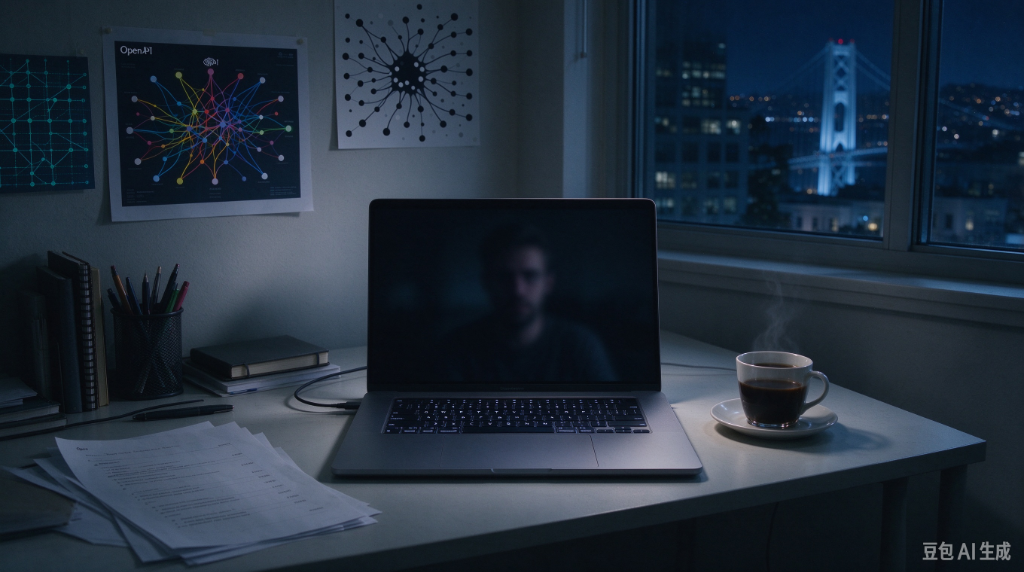
By the winter of 2025, that had changed. Anthropic had become a command center. Headcount had grown into the thousands, and the company had moved into a heavily secured high-rise. A dozen large guards stood at the entrance, and even internal staff needed special permission to access the floors where new versions of Claude were being trained.
Amodei, once relatively low-profile, had become the head of a fast-growing technology giant, traveling by private jet and surrounded by security. The company, according to the report, was pushing toward an IPO at a trillion-dollar valuation.
Daniela Amodei called the situation a "successful disaster." She said: "It's stressful in every dimension. It's scary, because we could lose it at any moment. That's just the business side. Then there's our mission, where we ask ourselves whether we might accidentally make things worse. Like, we think we've figured out everything about safety, but have we really?"
The rivalry never really ended
The one constant, the report suggests, is the enmity between the two camps.
People familiar with the relationship said Dario and Daniela still despise Altman and Brockman. Inside Anthropic Slack channels, Dario at one point reportedly described Altman and OpenAI as "evil." During the 2023 OpenAI board crisis, communications executives asked him to delete the message out of concern that it could leak.
At OpenAI, employees privately described the Amodei siblings as power-seeking virtue signalers, accusing them of warning publicly about AI risk while accelerating the same race behind the scenes.
That leaves a dark irony at the center of Silicon Valley's AI competition. Both groups are spending enormous computing power to train models to be kind, empathetic, and restrained. The humans building them, however, have not managed to let go of their own bitterness.