
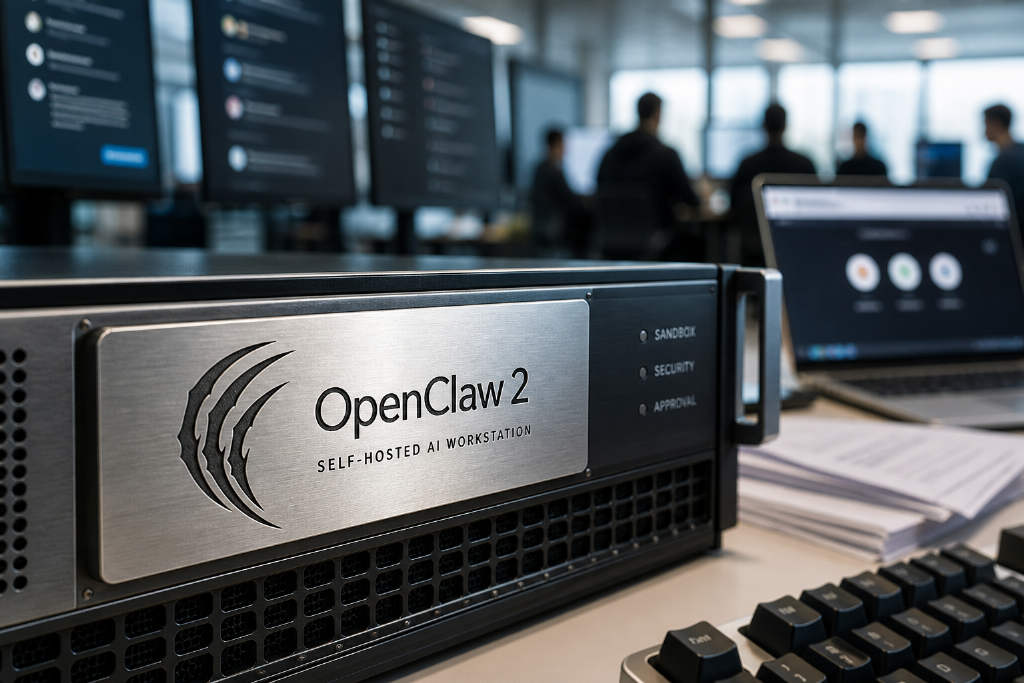
OpenClaw, a self-hosted open-source AI agent framework, has shipped what it calls its biggest update yet: version 2026.8.1, branded OpenClaw 2. The release landed last weekend. And it was a big one. According to the official announcement, 933 contributors took part, with 569 of them joining as first-time participants. The team also merged more than 16,000 pull requests, which works out to roughly half of all merged PRs in the project's history.
At first, the plan was much narrower. The team intended to work only on making installation easier and rebuilding the browser app. But the release kept growing. It spread into memory, model, plugin, messaging, and security modules, which is why the team called it an “accidental major version.”
What changed in OpenClaw 2
The new version centers on a chat-first control interface. It also adds an installation wizard that can automatically detect existing Claude or ChatGPT subscriptions, along with local Ollama models. For teams, there are shared cloud sessions, so users can resume tasks from where coworkers stopped at team.openclaw.ai.
Speed gains
The performance numbers moved sharply. Initial JavaScript requests fell from 140 to 45. Startup time also dropped, going from 1.6 seconds to 575 milliseconds.
Security additions
On the security side, OpenClaw 2 brings request-level approval, parameter-limited command permissions, Docker and Podman sandboxing, role-based execution, and a team-level key vault. But there’s a catch: sandboxing and approvals are turned off by default.