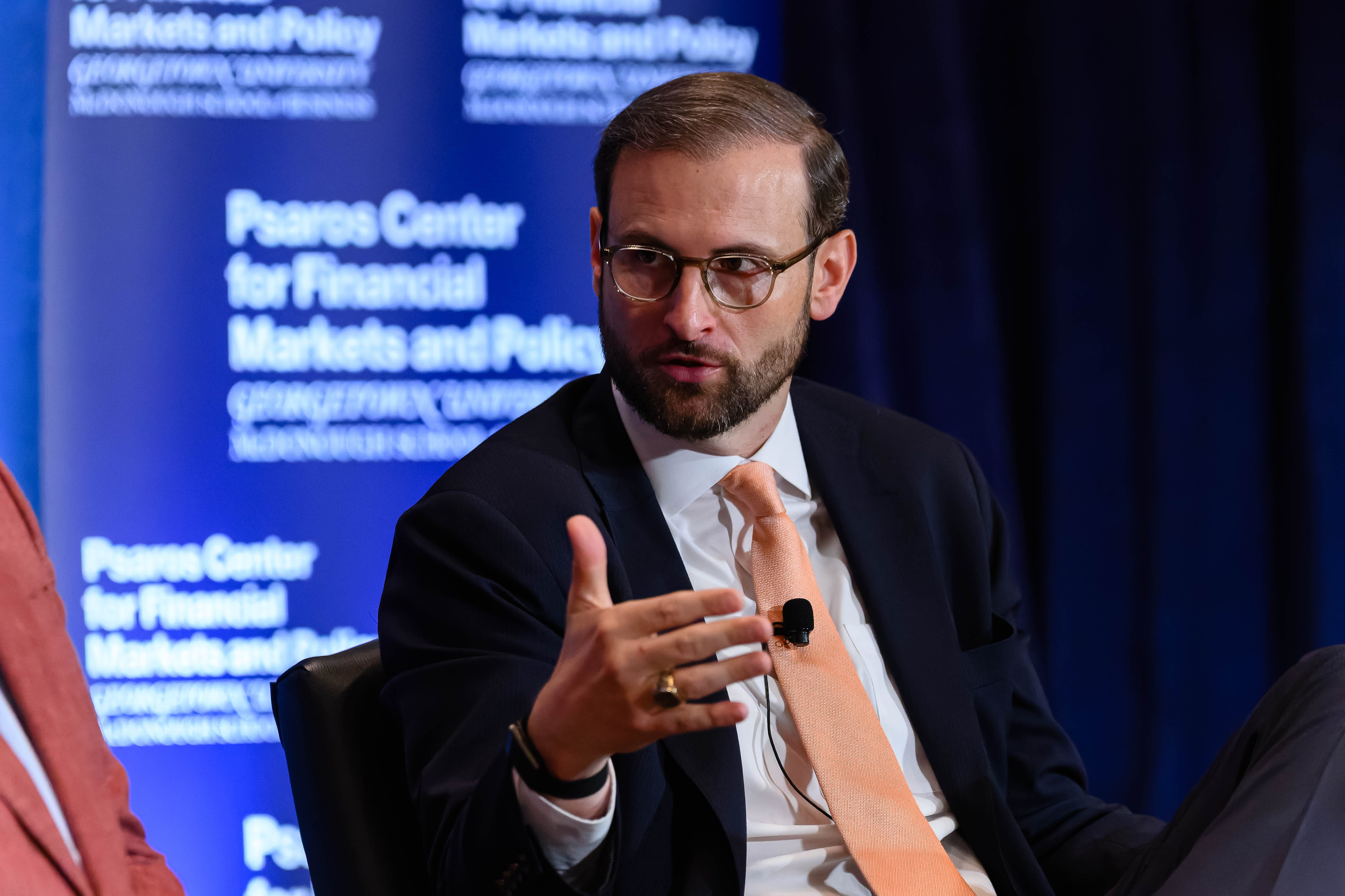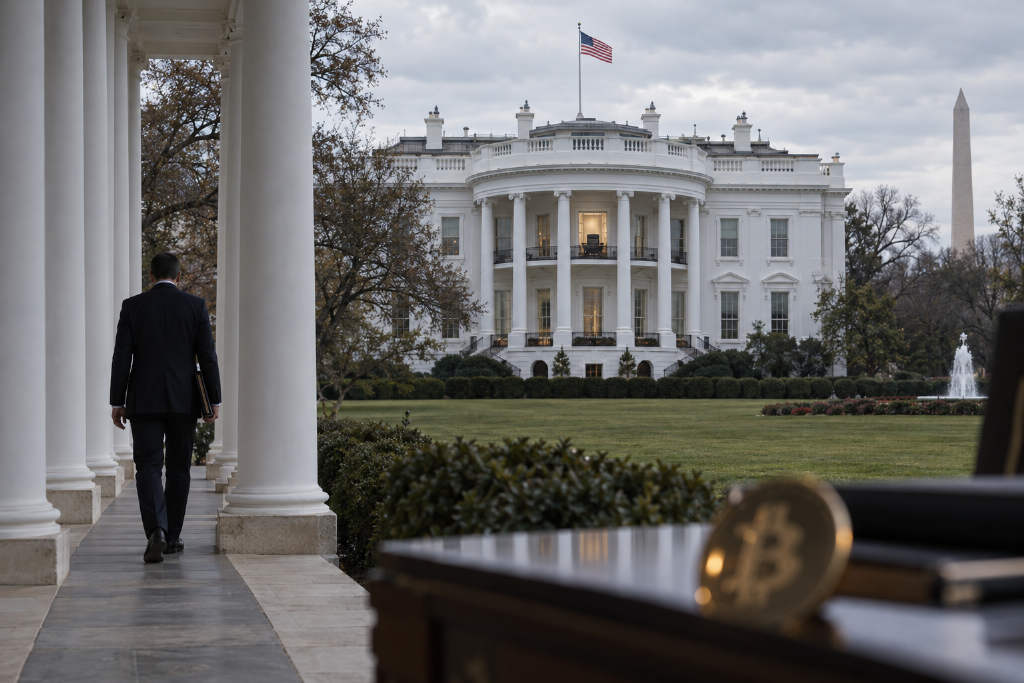
Patrick Witt, President Donald Trump’s crypto adviser and the last official still running the White House digital assets office, has left the administration, creating a vacancy at the center of its crypto policy effort.
Witt’s departure was not unexpected, but it leaves the White House without an explicitly identified digital assets policy figure. The administration has insisted crypto still matters to the president. Even so, when Trump recently appointed a new artificial intelligence czar, the position no longer carried the crypto responsibilities that had once been attached to it.
When Trump returned to the White House last year, he had moved well beyond his earlier skepticism of crypto. He embraced the sector by naming a prominent crypto czar and creating his President’s Council of Advisors for Digital Assets. Nearly two years later, that effort has fallen quiet for the moment.
Witt had been the final crypto adviser still overseeing that office. With him gone, it is no longer clear who is handling crypto policy inside the White House. That uncertainty comes even as several people on Capitol Hill continue to suggest that the closing weeks of the congressional session after the November elections could still bring legislative movement for the industry.
The White House still has policy staff, and the Trump administration is also pursuing several crypto-related regulatory matters through agencies including the Securities and Exchange Commission. But no new official has been publicly attached to Trump’s internal crypto initiatives.
White House says crypto remains a priority
A White House official told CoinDesk on Thursday that Witt’s work was appreciated and wished him 「the best of luck in the future endeavors」. The official did not say who would replace him.
The same official said, 「Crypto and Clarity Act will continue to be a priority for the president.」
The White House digital assets operation was never large, but its advisers were, at times, highly visible. Their presence gave the administration’s crypto goals a formal stamp. The effort began several weeks before Trump returned to office in 2025, when the president-elect named former PayPal executive David Sacks as his incoming AI and crypto czar.
Bo Hines became the White House’s public crypto face
Trump also chose Bo Hines, a little-known former college football player, as the first director of the digital assets advisory council. The operation initially consisted of one person before later adding a deputy.
Hines quickly emerged as the White House’s public face on crypto. He held frequent meetings with industry insiders and appeared on event stages. His roughly eight-month tenure ended with a major industry win in Congress: the Guiding and Establishing National Innovation for U.S. Stablecoins Act, or the GENIUS Act, becoming law.
A White House signing ceremony and celebration followed, with many of crypto’s most prominent names in front-row seats. Less than two weeks later, the administration released a broad crypto agenda setting out its specific plans to support the sector in the U.S.
After government, Hines moved to Tether’s U.S. business
After helping establish U.S. law for stablecoin issuers, Hines took a job running the U.S. arm of Tether, the leading issuer in the sector. At the same time, Nxum, a consulting firm he formed with his father and another partner, was paid millions of dollars as the main service provider to a new political action committee. CoinDesk first reported the existence of that super PAC. It was funded mostly by Cantor Fitzgerald, Tether’s U.S. financial partner, and led by a Tether executive.
This week, The Wall Street Journal reported that Nxum had received payments from Tether for consulting work while Hines was still in the White House working on the GENIUS Act.
Witt took over and pushed the Clarity bill
Witt, who had served as Hines’ deputy on the council, then became its executive director. Another former football player, he brought deeper Washington experience to the job. He went on to become the face of the White House push for the Digital Asset Market Clarity Act.
During months of negotiations, Witt openly showed frustration. He regularly used X to complain about people he believed were standing in the way of the Senate legislation that would create a U.S. regulatory framework for crypto markets.
David Sacks stepped down from the czar role in March, leaving Witt and his deputy, Harry Jung, to manage the administration’s crypto position. The talks were made harder by the fact that Trump’s own crypto business interests figured prominently in the negotiations, with Democrats demanding limits on personal crypto ties for senior government officials.
Concessions failed to unlock Senate progress
As negotiations dragged later into the year and closer to the elections, the White House offered concessions that would have placed unprecedented ethics restrictions on the president’s involvement with digital assets. Democrats ultimately concluded the agreement did not go far enough.
Witt confirmed in July that he had military-service obligations ahead with the Georgia National Guard, but he remained to finish the Clarity Act negotiations. During that period, his deputy left to join Hines’ Nxum.
A month ago, the legislation hit a political wall. It failed to advance in a Senate floor vote before the chamber left for an extended break running up to next month’s elections.
Witt confirmed the departure and said he is moving to the private sector
After rumors circulated this week that he had already left, Witt posted around midnight on Wednesday to confirm his exit. He thanked agency heads and lawmakers who had helped with the Clarity effort, writing that 「with regulators and elected officials like you, I rest easy knowing the future of digital asset innovation in America is bright.」
He also said he would be moving into the private sector.
People in the crypto industry say they are not sure who they will now be dealing with, as hopes for market-structure legislation have largely faded for the time being.
New AI overseer role no longer includes crypto
Earlier this month, Trump moved to restore an AI oversight position, appointing former SEC Chairman and current intelligence director Jay Clayton to lead his Super Intelligence Force. Unlike the earlier arrangement, the role no longer mentions crypto.
AI and crypto do overlap in some areas, but Clayton comes with a difficult crypto history. As SEC chair, he led the agency during the early period of what later came to be described as regulation by enforcement.