
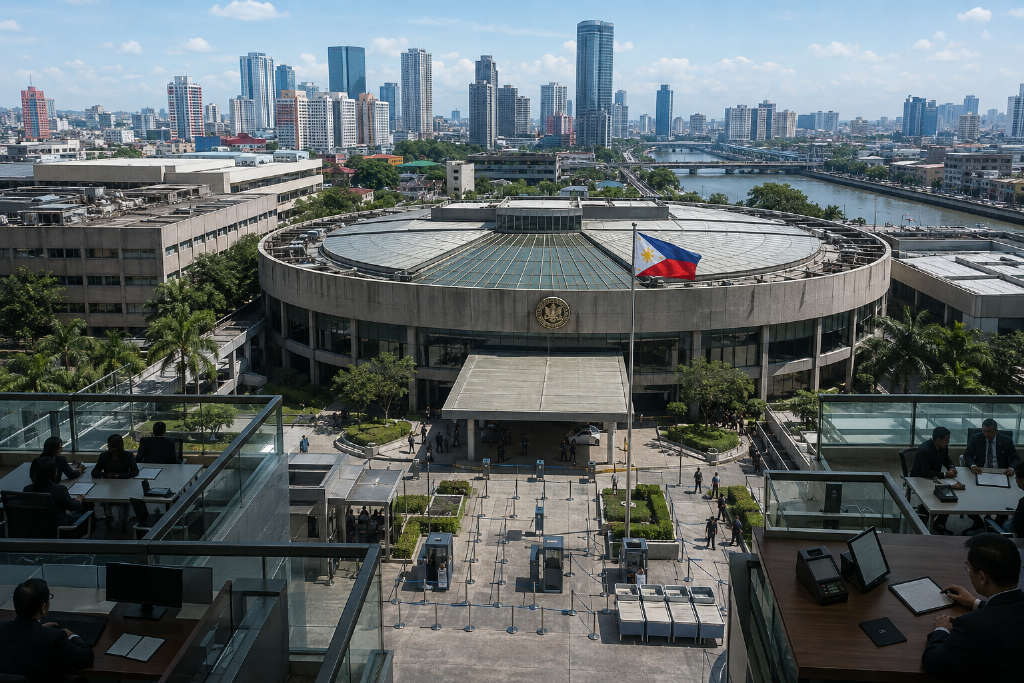
The Bangko Sentral ng Pilipinas (BSP) has proposed a 12-month freeze on new registrations for operators of payment systems, while also setting out tighter rules for payment arrangements involving virtual asset service providers, or VASPs.
In a draft circular, the Philippine central bank said it wants to suspend the acceptance and processing of applications for operators of payment systems (OPS) as it conducts what it called a holistic review of its taxonomy and licensing framework.
BSP would halt new OPS application intake for 12 months
Under the proposal, the BSP would stop taking in and processing new OPS applications for 12 months. Applications submitted before the suspension begins could still move through evaluation, but the central bank would not approve or deny them until the pause ends.
The draft also says entities would not be allowed to start activities that require OPS registration during that period unless the regulator gives separate authorization.
Merchant arrangements involving VASPs would face added controls
The proposal would require BSP-supervised institutions that provide merchant acquisition services to deal with regulated VASPs through direct merchant arrangements. Those relationships would be subject to enhanced due diligence and monitoring, transaction limits, settlement limits and other risk-based controls.
The requirement would apply to virtual asset firms that must be licensed, registered or authorized by the BSP, the Philippine Securities and Exchange Commission, or another authority.
In the draft, VASPs are listed alongside gambling businesses, gaming providers, adult-oriented businesses and money service businesses.
Draft is open for feedback and would take effect after publication
If the circular is finalized, it would take effect 15 days after publication. The BSP is currently accepting feedback on the proposal.
Cointelegraph said it contacted the BSP for additional information but did not receive a response before publication.
A related development noted in the report said the Philippine Securities and Exchange Commission had flagged dYdX and six other crypto platforms as unauthorized.