BSP

BSP
2026-09-07 10:02:58

Philippine Central Bank Proposes 12-Month OPS Registration Moratorium, Tighter VASP Rules

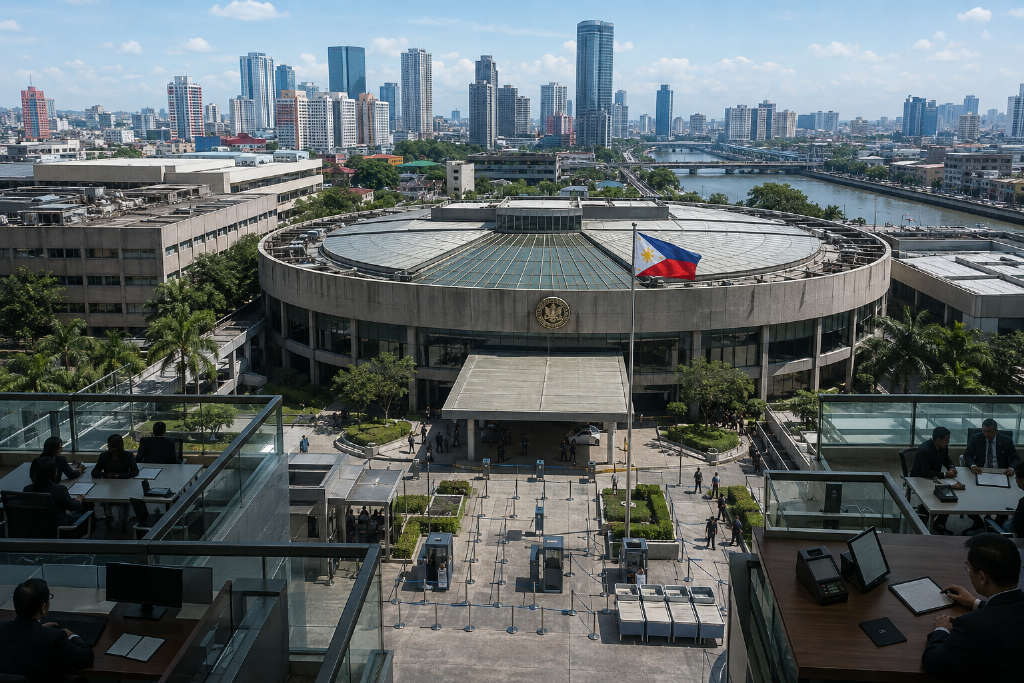
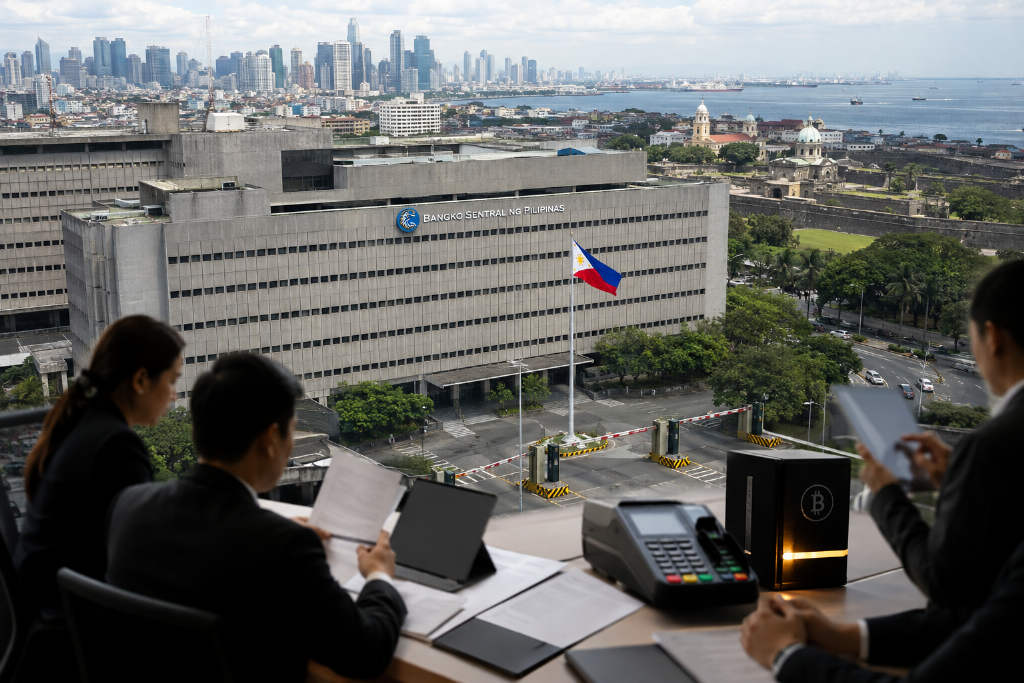
The Bangko Sentral ng Pilipinas (BSP) has issued a draft circular proposing a 12-month suspension of new registrations for Operators of Payment Systems (OPS), aiming to review the classification and licensing framework. During the moratorium, pending applications will be assessed but not approved or denied. The draft also tightens rules for Virtual Asset Service Providers (VASPs), requiring supervised institutions to deal directly with licensed VASPs and apply enhanced due diligence. The measures apply to virtual asset entities authorized by BSP or other regulators. Public comments are open; if approved, the rules take effect 15 days after publication.

90
Philippine Central Bank Proposes 12-Month OPS Registration Moratorium, Tighter VASP Rules
Philippines
2026-09-07 09:51:00

Philippine central bank proposes 12-month freeze on new payment operator registrations and tighter VASP controls

The Bangko Sentral ng Pilipinas (BSP) has proposed a 12-month pause on accepting and processing new applications for operators of payment systems, part of what it described as a broader review of its taxonomy and licensing framework. Under the draft circular, applications filed before the suspension could still be evaluated, but the central bank would withhold approval or denial decisions until the pause ends, and entities would not be allowed to begin activities that require OPS registration unless specifically authorized. The proposal also targets payment arrangements involving virtual asset service providers. BSP-supervised institutions that offer merchant acquisition services would need to handle regulated VASPs through direct merchant arrangements, with those relationships subject to enhanced due diligence, ongoing monitoring, transaction and settlement limits, and other risk-based controls. The requirement would apply to virtual asset firms that must be licensed, registered or authorized by the BSP, the Philippine Securities and Exchange Commission, or another authority. If finalized, the draft would take effect 15 days after publication. The BSP is currently accepting feedback.

130
Philippine central bank proposes 12-month freeze on new payment operator registrations and tighter VASP controls
Philippines
2026-09-07 10:05:14

Philippines Central Bank Proposes 12-Month Freeze on New Payment System Registrations, Tightens Crypto Rules

Bangko Sentral ng Pilipinas (BSP) aims to suspend new registration of Payment System Operators (OPS) for 12 months to review classification and licensing frameworks. Pending applications will be evaluated but not approved. The draft also mandates stricter controls for Merchant Acquirers serving Virtual Asset Service Providers (VASPs), including enhanced due diligence and risk-based measures. If passed, the rule takes effect 15 days after publication; BSP is now soliciting public comments.

80
Philippines Central Bank Proposes 12-Month Freeze on New Payment System Registrations, Tightens Crypto Rules
Binance
2026-08-25 05:01:00

Binance to revise leverage and margin tiers for 11 perpetual contracts

Binance said it will adjust the leverage and margin tiers for 11 USDⓈ-M perpetual contracts at 14:30 UTC+8 on Aug. 28, 2026, according to an official notice cited by Odaily. The contracts affected are FILUSDT, ROBOUSDT, LPTUSDT, ZRXUSDT, SPORTFUNUSDT, NOMUSDT, SAGAUSDT, QNTXUSDT, SHAZUSDT, STRCUSDT, and BSPUSDT. Binance said the update is expected to be completed within one hour. Existing positions will be affected, and the exchange advised users to make adjustments in advance. The notice did not include additional details in the brief.

400
Binance to revise leverage and margin tiers for 11 perpetual contracts
TSMC
2026-08-19 04:53:59

TSMC validates A16 backside power platform as NVIDIA lines up Feynman on the node

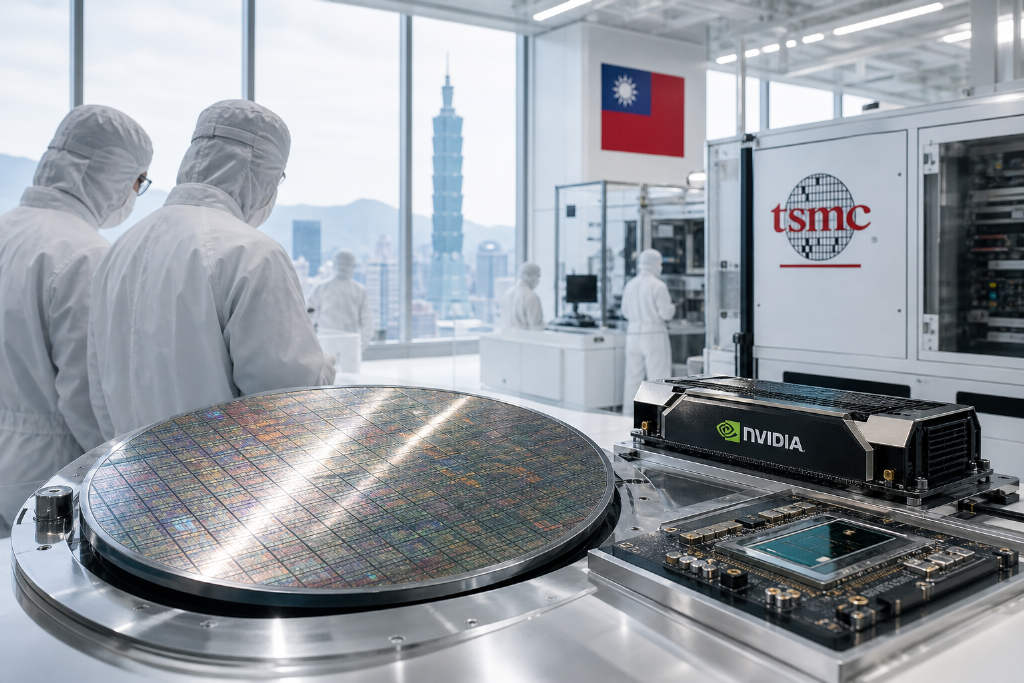
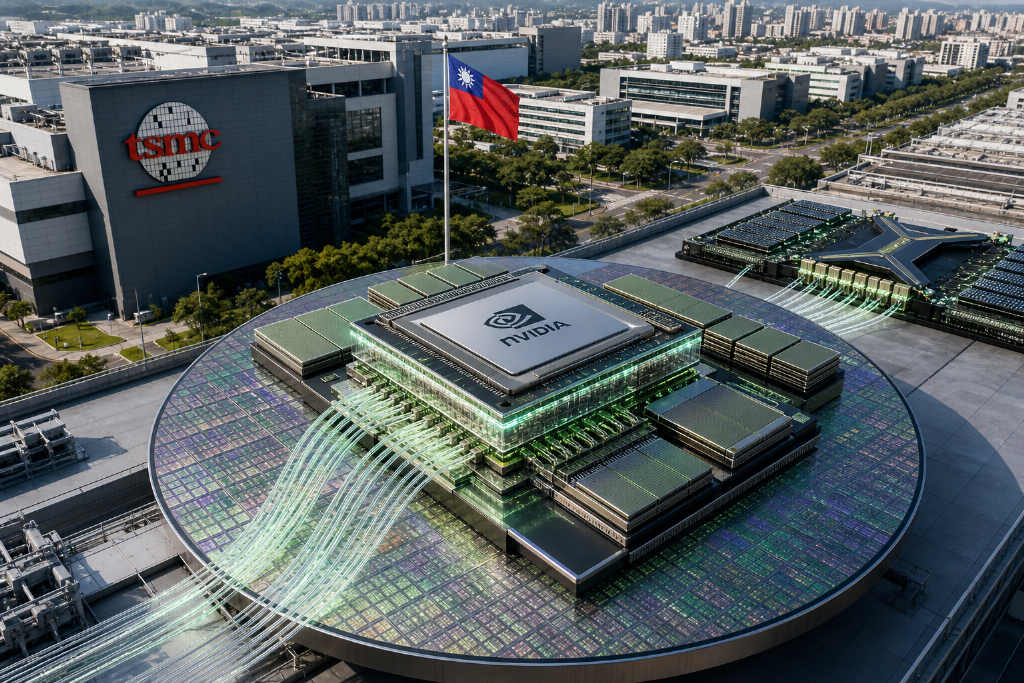
TSMC has completed development and validation of its A16 process platform built with Super Power Rail, or SPR, a backside power delivery network that ETNews said preserves compatibility with existing design ecosystems. The report says TSMC is the first foundry to bring backside power supply technology to the Angstrom-class era while keeping current design infrastructure largely intact, a point that matters for large chip customers already invested in the N2 and N2P ecosystem. According to the report, the move addresses a growing bottleneck in sub-2 nm chip design, where power and signal routing compete for limited front-side space, raising routing congestion and voltage drop risks. TSMC’s SPR architecture shifts power delivery to the back of the chip and uses dedicated backside contacts to feed each transistor’s source and drain, while leaving front-side gate structures, cell size, and layout area nearly unchanged. ETNews said A16 can deliver 8% to 10% higher performance at the same power, or cut power use by 15% to 20% at the same speed, with chip density also rising 8% to 10% versus N2P. The report also said NVIDIA’s next-generation AI accelerator platform, Feynman, will use A16 and aims for mass production in the second half of 2028, alongside large-scale use of CPO and SoIC 3D stacking.

700
TSMC validates A16 backside power platform as NVIDIA lines up Feynman on the node
NVIDIA
2026-08-14 04:15:14

NVIDIA’s Feynman platform is said to target TSMC A16 and large-scale CPO deployment in 2028

NVIDIA has already moved into development and supply-chain planning for Feynman, the AI accelerator platform expected to follow Rubin, according to a Digitimes report cited by ABMedia. The report says Feynman is set to use TSMC’s upgraded A16 process, pair it with custom HBM, and adopt both SoIC 3D stacking and co-packaged optics, or CPO, at scale, with volume production targeted for the second half of 2028. What makes the platform notable is the simultaneous push across three technical layers: process technology, advanced packaging, and optical interconnect. Supply-chain data cited in the report shows NVLink bandwidth rising from about 130 TB/s in Blackwell NVL72 racks to 260 TB/s in Rubin, 520 TB/s in Rubin Ultra, and more than 1,000 TB/s in Feynman. At that level, copper links are approaching practical limits in distance, power, signal loss, and thermal management, making optical interconnect a more direct fit for large AI clusters. The same report says TSMC is expanding advanced packaging capacity from AP5 and AP6 into AP7 and AP8, while repeatedly lifting SoIC monthly capacity targets from 20,000 wafers by the end of 2026 to 50,000 by the end of 2027. It also places Feynman inside NVIDIA’s wider capital and supply strategy, including more than $40 billion invested across the AI ecosystem since 2026 and a financing platform with Apollo, BlackRock, Blackstone, and Goldman Sachs aimed at mobilizing $500 billion in third-party capital.

1280
NVIDIA’s Feynman platform is said to target TSMC A16 and large-scale CPO deployment in 2028
Philippines
2026-07-23 23:15:17

Philippines Central Bank Bans Privacy Coins on Licensed Crypto Exchanges

The Bangko Sentral ng Pilipinas (BSP) has prohibited licensed virtual asset service providers from listing privacy-focused cryptocurrencies, effective June 5, 2026. Exchanges must now conduct enhanced due diligence across six key areas before listing any token, and continuously monitor for compliance.

410
Philippines Central Bank Bans Privacy Coins on Licensed Crypto Exchanges