
Fake Trade Videos: The Case of College Student George Makihara
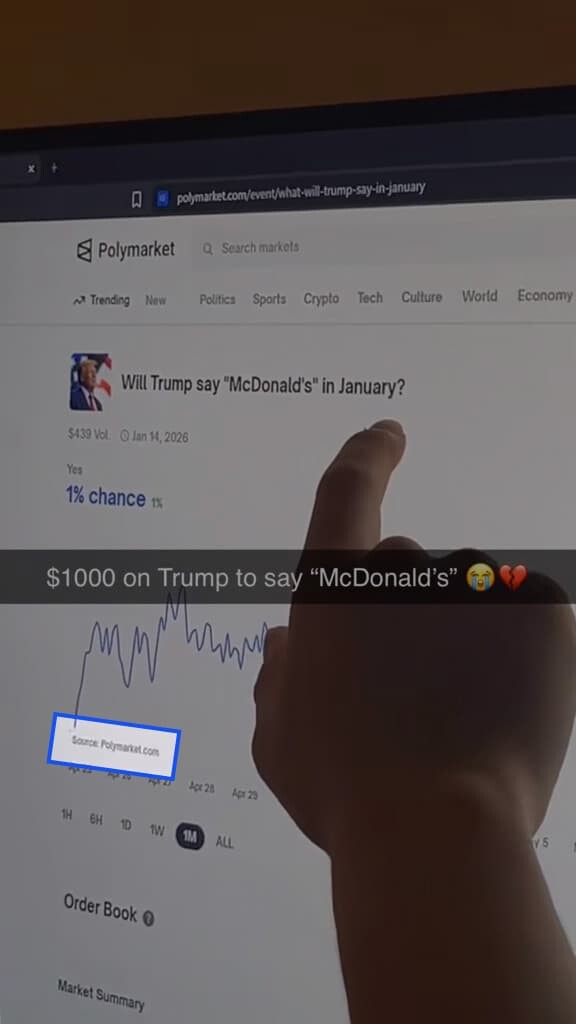
In January, college student George Makihara posted a video claiming he won $100,000 on Polymarket by betting that President Trump would say "McDonald's" that month. From January to mid-May, he appeared to place 145 bets totaling nearly $410,000. However, a Wall Street Journal investigation found none of these trades were real. Trump never publicly said "McDonald's" that month, and the video was actually filmed two months earlier.
Public data shows that over 50 accounts on the real Polymarket site lost money on the same bet. Makihara was one of dozens of creators—mostly college students—paid by Polymarket to simulate trades and fake winnings. Compensation typically ranged from $2,000 to $3,000 per month. Polymarket instructed them not to disclose the paid relationship.
Cloned Websites and Simulated Trades: How the Illusion Was Created
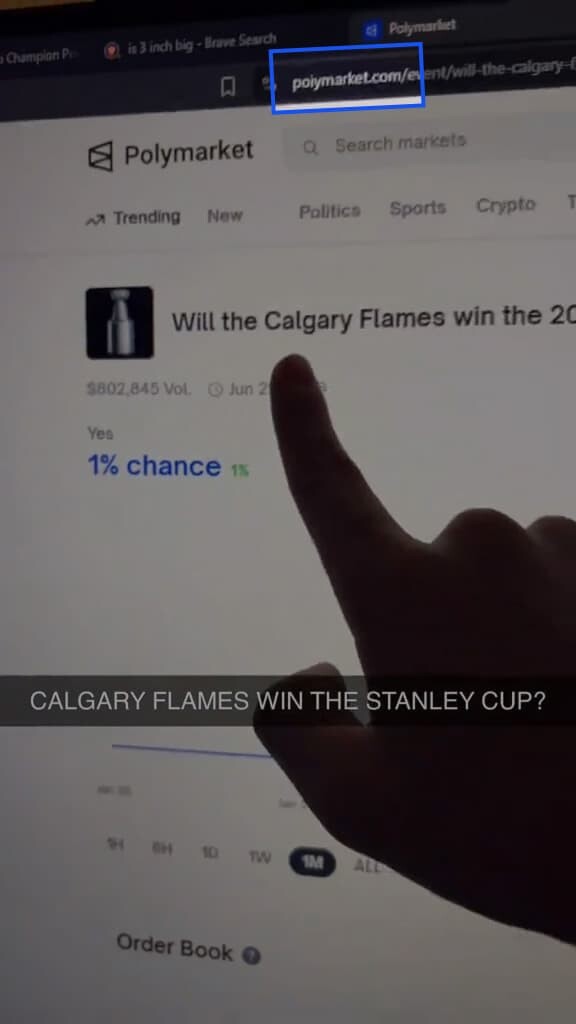
Polymarket built a near-perfect clone of its site at poiymarket.com (the capital "I" makes it indistinguishable from polymarket.com) for creators to simulate trades. The fake site displayed price charts sourced from "Polymarket.com," while the real site shows no source. Buttons mistakenly showed "YES" and "NIR" instead of the real "YES" and "NO." After the Journal contacted Polymarket, the fake domain was taken down.
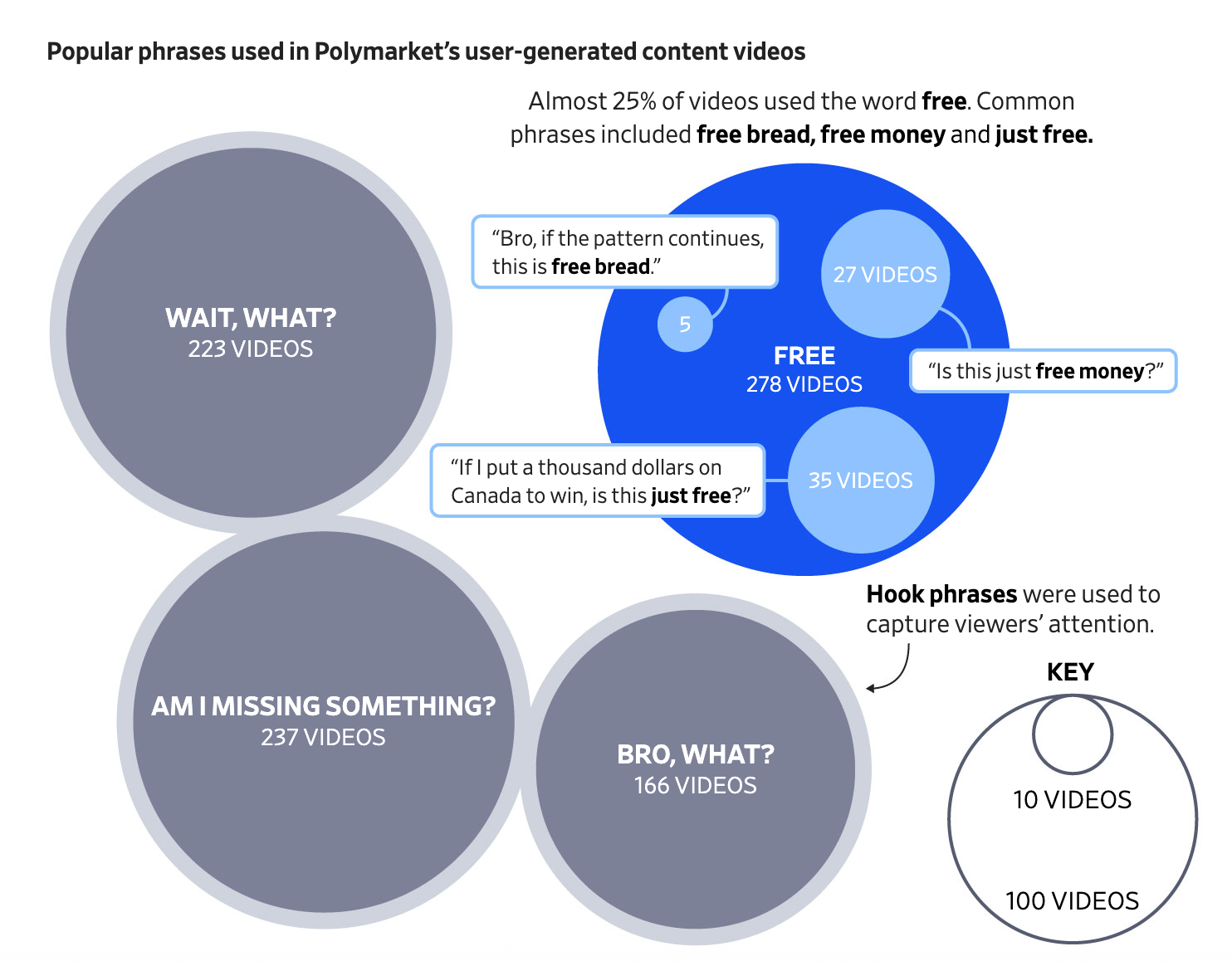
The Journal analyzed 1,105 videos from 10 creators endorsed by Polymarket's contractor, Virality. 70% of the videos showed bets, all of which were fake—totaling $1.9 million. 118 videos portrayed winning reactions claiming nearly $900,000 in profits, but in reality those bets would have lost over $166,000. Virality managed a "slicing" team that reposted content, requiring posts to look "personal and natural" and even telling creators to remove "Polymarket" from their usernames.
Paid Army and Viral Spread: A Traffic Factory with 140 Million Views
Virality organized a social media army to copy and repost creators' content, with payment contingent on at least 60% of the audience being U.S. users. Polymarket's viral campaign garnered more than 140 million views across TikTok, YouTube, and Instagram. Creator Razeen Khan compared the videos to fast-food ads—"The food looks better in the commercial, but you still buy the burger."
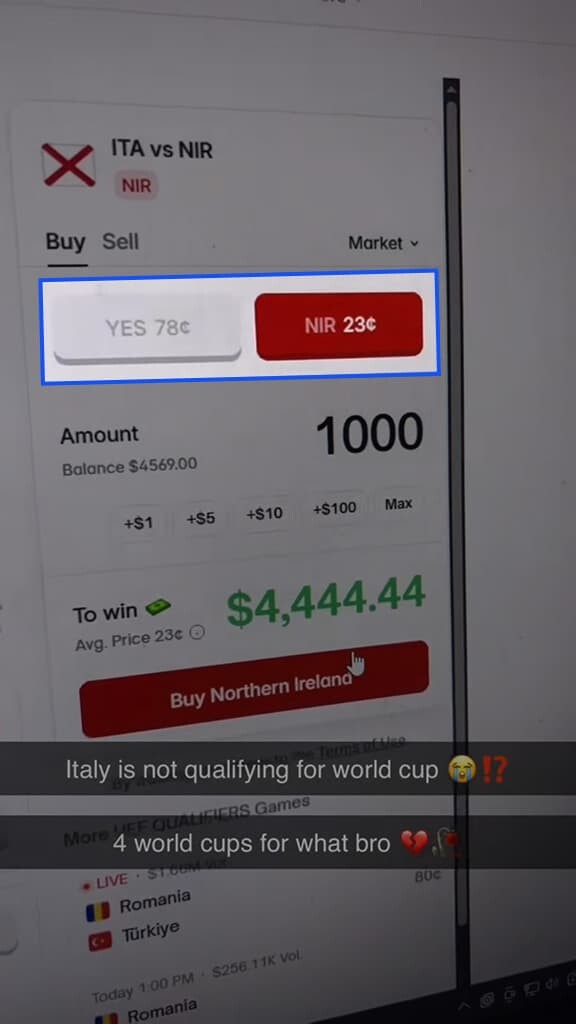
Haian Nguyen, one of the top creators, filmed herself from a bedroom in San Francisco, celebrating a $60,000 win on Instagram and dancing at the Golden Gate Bridge with the caption "Polymarket funds my life." After the Journal contacted her, she deleted all her videos. TikTok, YouTube, and Meta said they may take action against violating accounts.
Regulatory Scrutiny: CFTC and Advertising Laws
Federal advertising law requires truthful endorsement and disclosure of paid relationships. The Commodity Exchange Act governing prediction markets prohibits deceptive and misleading conduct. The CFTC has previously taken enforcement actions against companies using simulated trades to make unrealistic profit promises. The Trump administration has taken a light-touch approach to prediction markets, with the CFTC suing to block state regulation. White House said no conflict of interest exists.
In 2022, Polymarket settled charges of operating an unregistered options exchange, agreeing to stop offering its crypto-based platform to U.S. customers and reincorporating in Panama. It launched a regulated U.S. app in late 2024, but volumes remain a fraction of its offshore exchange. Polymarket is now seeking to overturn the 2022 settlement and bring its crypto platform back to the U.S.
Insider Trading Risks and Competitive Pressure
Polymarket and Virality targeted influencer Adin Ross, who has a multi-million-dollar deal and spends only about 30 minutes per week streaming Polymarket. In at least five videos, Ross showed how he used insider information to trade, such as betting on the release date of Drake's new album. Polymarket promoted at least 19 videos discussing insider trading or market manipulation. Polymarket stated its "Market Integrity Framework" includes trade monitoring, reporting channels, and cooperation with regulators.
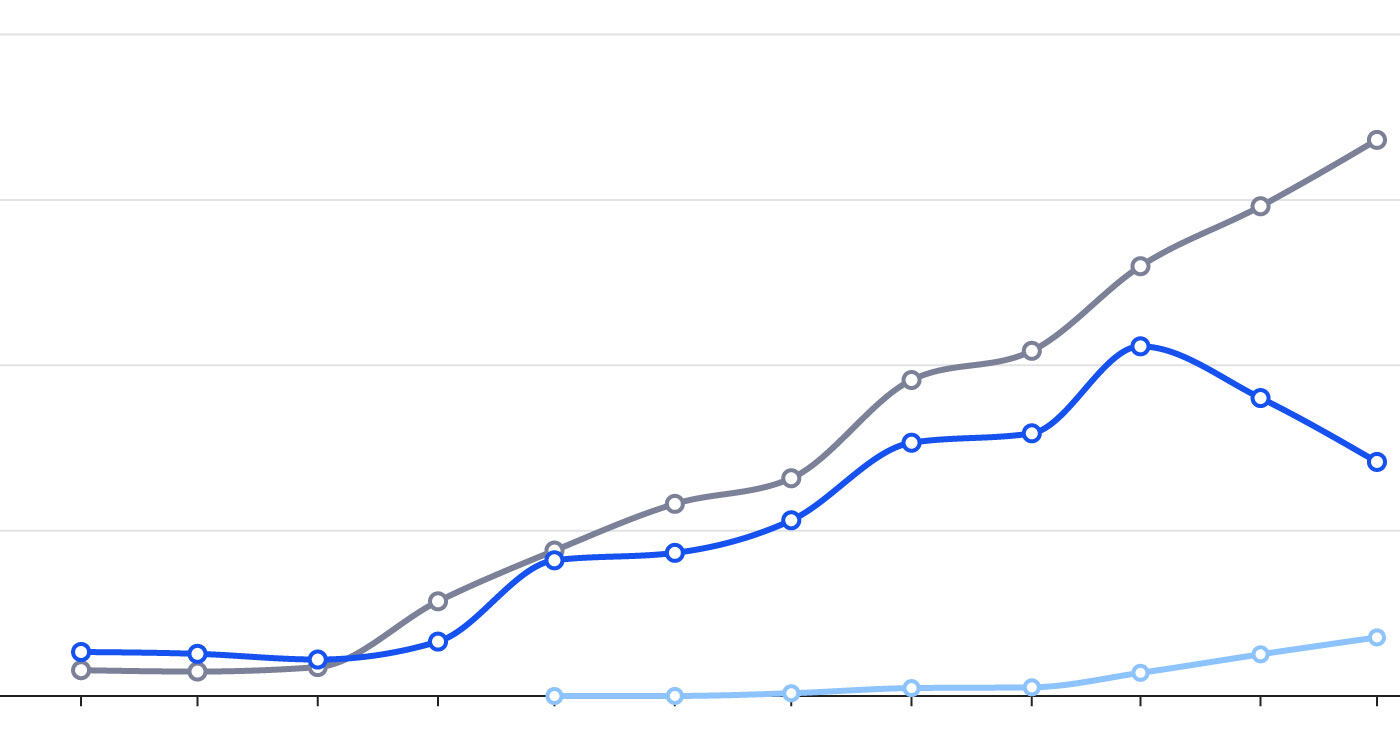
Polymarket faces stiff competition from regulated rival Kalshi. For most of 2025, they grew together, but Kalshi surged ahead in recent months. Last month, Kalshi's trading volume was about double Polymarket's, according to The Block. As the World Cup approaches, some creators posted videos using Polymarket's U.S. app, but subtle differences—like "2026 FIFA 世界杯" vs. the official "26 World Cup"—revealed the fakes.