

The insurance industry has long served as an economic anchor with a monopolistic stance. But the rise of prediction markets is shaking that position. From a bar owner hedging a free-drink promotion during the NBA Finals to billions flowing into World Cup betting, platforms like Kalshi and Polymarket are encroaching on traditional insurers' territory—covering sports insurance, disaster risk, and even small business operational risk.

Real Cases: From a Bar Bet to Sports Insurance Shift
In early June, after the Knicks beat the Spurs 4-1 in the NBA Finals, Andy Freedman, owner of The Jeffrey bar on Manhattan's Upper East Side, launched a promotion: free drinks for all customers if the Knicks won Game 1. To cover the cost, he placed a $5,000 hedge on Kalshi. When the Knicks prevailed, the bar used the prediction market payout to cover the drinks, customers enjoyed free drinks, and everyone won. This case illustrates how prediction markets function as a risk management tool.
In February, sports insurance broker Game Point Capital announced a partnership with Kalshi, which would provide NBA teams with performance bonus hedges (e.g., playoff advancement bonuses). Game Point chose Kalshi not to promote prediction markets but for cost reasons: Kalshi offered pricing significantly lower than traditional over-the-counter markets—e.g., 6% vs. 12-13% for a bonus hedge. Kalshi CEO Tarek Mansour described it as "a better way to hedge and insure" with transparent pricing. The platform is expected to process tens of millions of dollars in hedging funds, a direct example of prediction markets entering traditional insurance and reinsurance.

Real Estate Prediction Markets: Speculate Without Buying a Home
In January, on-chain real estate platform Parcl partnered with Polymarket to bring daily housing price indices into a new real estate prediction market, initially focusing on major U.S. cities like New York, Los Angeles, Miami, and Austin. Users can predict monthly, quarterly, or yearly price movements. The announcement pushed Parcl's token PRCL up over 100% that day. Realtor senior economist Joel Berner noted that beyond speculation, homeowners and potential buyers can use these markets to protect their interests. A homeowner fearing a price drop can buy a "Under" contract, offsetting real losses; a buyer fearing a price increase can buy "Over" to cover future costs.

Kalshi's Ambition: Becoming a Small Business Insurer
In its press release, Kalshi revealed an even larger ambition: becoming a "small business insurance provider." It targets hotels affected by sports seasons, clothing stores impacted by weather, and import-reliant small enterprises. Kalshi offers predictions on sports outcomes, weather, and trade policy changes, functioning as a hedge. Kalshi's head of business, Nicolas Hull, stated that small businesses face real risks from weather, politics, sports, and economy, while traditional insurance is expensive and inefficient. Kalshi provides a liquid, transparent marketplace for any business to respond to risks affecting its operations—a fundamental shift in risk mitigation.

Traditional Precedents and Four Innovations of Prediction Markets
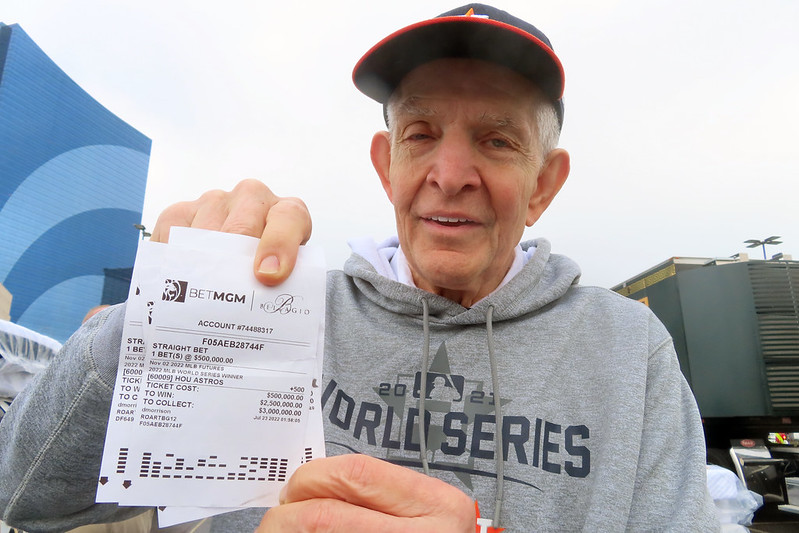
In 2018, Chinese appliance brand Vatti ran a "Full Refund if France Wins World Cup" campaign. In 2017, Houston mattress magnate Jim "Mattress Mack" McIngvale launched a marketing refund tied to the Astros winning, worth $12 million. In 2022, he repeated the tactic, betting $10 million across six sportsbooks on the Astros, eventually winning $72.6 million—a betting record. However, prediction markets offer four key improvements over traditional sports betting: (1) information monetization—broader markets and flexible exit; (2) platform neutrality—no counterparty risk; (3) transaction transparency—odds set by open parameters; and (4) fairer access, rejecting the "ban or bankrupt" model (as protested by the ABV organization).

Market maker SIG CEO Jeff Yass told Forbes: "Prediction markets allow parties to more efficiently share risk based on specific parameters. For example, a Florida homeowner facing hurricane risk can buy a 'contingent' contract based on real-time weather data; if wind speed exceeds a threshold, they get protection—more effective than annual insurance."

Challenges and Outlook
Despite its promise, prediction market insurance still faces hurdles like insufficient liquidity, regulatory scrutiny, and market depth. Yet the first step has been taken. Whether the insurance industry acknowledges it or not, prediction market platforms threaten not only sportsbooks but also many traditional insurance businesses.