QCP said in a new market report that stronger-than-expected U.S. inflation data did not keep Treasury yields elevated, with both the 10-year and 30-year yields reversing lower after touching 5.35% and 5.73%, respectively. The firm said that shift points to rising demand for safety in markets.
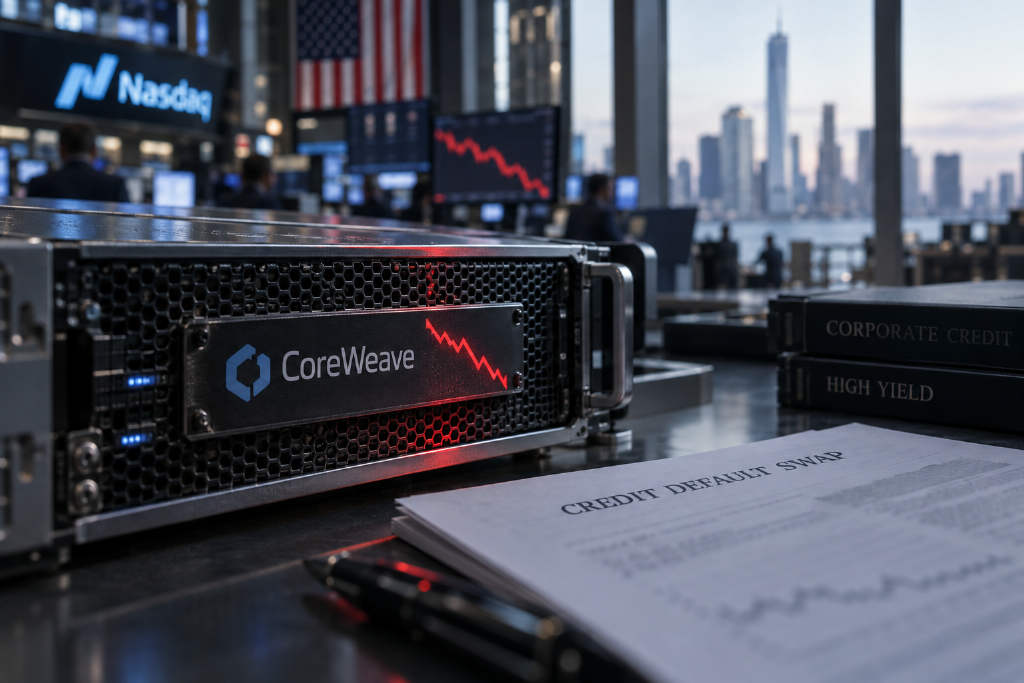
According to QCP, investor focus is now moving away from inflation constraints and toward credit stress in the AI infrastructure sector. The report highlighted a 15.5% drop in CoreWeave shares, while the company’s 5-year credit default swap, or CDS, spread rose to 60%. QCP said the move raised concerns about the debt-servicing capacity of AI compute companies.
The report added that the sell-off weighed on both the Nasdaq and South Korea’s KOSPI index. QCP also flagged MSCI’s new classification method for non-operating companies as a potential source of added structural risk because it could affect whether some firms remain eligible for index inclusion. With tech earnings season approaching over the next two weeks, QCP said these risks could continue to shape investor positioning and expectations for technology IPOs this quarter.
QCP said in a market report that U.S. CPI rose 3.7% year over year in September, above the 3.6% market expectation, and increased 0.6% month over month. Core CPI rose 2.6% year over year, also above expectations.
Even with firmer inflation data, U.S. Treasury yields fell sharply. The 10-year and 30-year Treasury yields reversed lower after touching 5.35% and 5.73%, respectively, pointing to stronger demand for safe-haven assets.
QCP shifts focus to AI infrastructure credit stress
QCP said credit risk in the AI infrastructure sector is becoming a central market concern. CoreWeave shares fell 15.5%, while its 5-year credit default swap, or CDS, quote rose to 60%. QCP said the move triggered concern over the debt-servicing ability of AI computing companies and weighed on both the Nasdaq and South Korea’s KOSPI index.
The report also said MSCI’s new classification method for non-operating companies could affect index eligibility for some firms, adding another layer of structural risk.
QCP said market attention is shifting from inflation constraints to credit risk in the AI sector. With tech earnings season approaching over the next two weeks, the firm said those risks could continue to affect investor positioning and expectations for technology IPOs this quarter.
This article was originally published by Bit.Fan. For more cryptocurrency news and market insights, visit www.bit.fan. Disclaimer:
The market information, project data, and third-party content displayed on this platform are for industry information sharing only and do not constitute any form of investment advice or return commitment.
Cryptocurrency trading carries high risks. Users should fully assess their risk tolerance and make independent decisions. All profits, losses, and legal responsibilities are borne by the users themselves.