
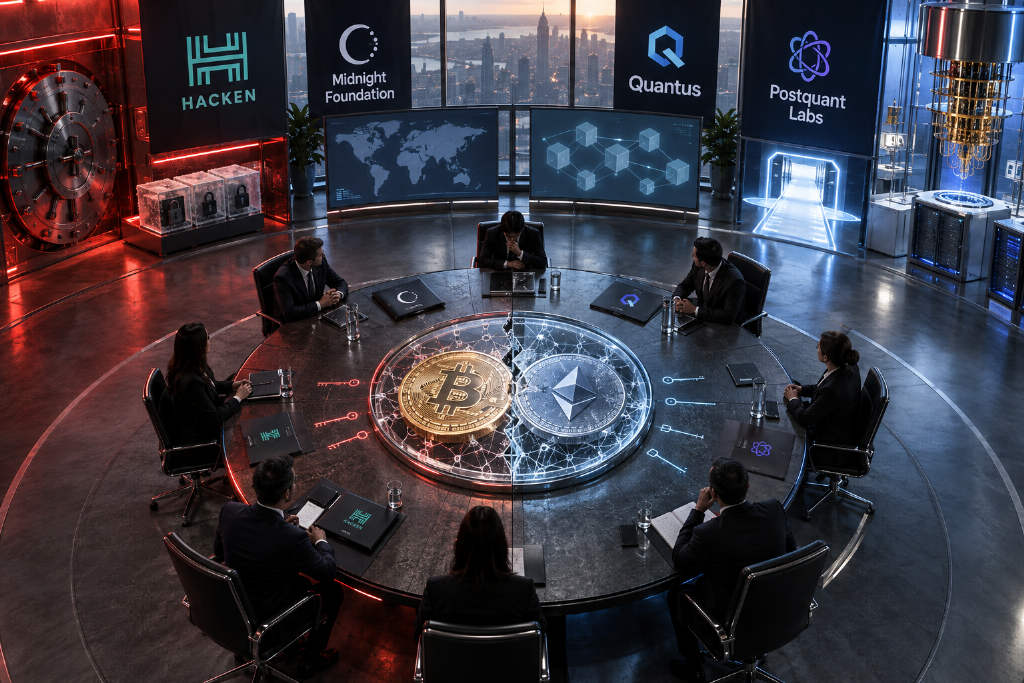
A new Quantum Alliance formed on Oct. 16 with nine crypto companies, opening a coordinated effort to create shared security standards for blockchains such as Bitcoin and Ethereum.
Publicly listed members include security firm Hacken, Charles Hoskinson’s Midnight Foundation, quantum-resistant Layer 1 blockchain Quantus, and Postquant Labs. The remaining members have not been individually disclosed.
The alliance estimates that about 6.4 million BTC have exposed public keys, equal to 30.2% of Bitcoin’s total supply. That number includes roughly 1.1 million BTC associated with Satoshi Nakamoto. The group added that current quantum computers are still not capable of stealing those assets.
Members split over timeline and response
The alliance is not aligned on when the threat becomes practical or how networks should respond. Bryn Bennett, chief revenue officer at The Vault, said nobody knows the exact date, but estimates keep moving closer. Richard Carback, chief technology officer at Postquant Labs, said 2028 is a realistic time frame.
The central dispute is whether vulnerable assets should be frozen. Carback favors moving funds rather than freezing them. Bennett said a freeze would be a governance decision for the Bitcoin network, and that any such move would create a precedent of exchanging property rights and neutrality for protection against quantum risk.
Debate echoes earlier proposals
The issue has surfaced before. CZ previously suggested freezing Satoshi’s bitcoin, and developer Jameson Lopp also proposed restricting vulnerable tokens. Critics argued that such measures would conflict with Bitcoin’s promise that funds cannot be confiscated.
The alliance plans to publish shared security tests and migration guidance in the future.