
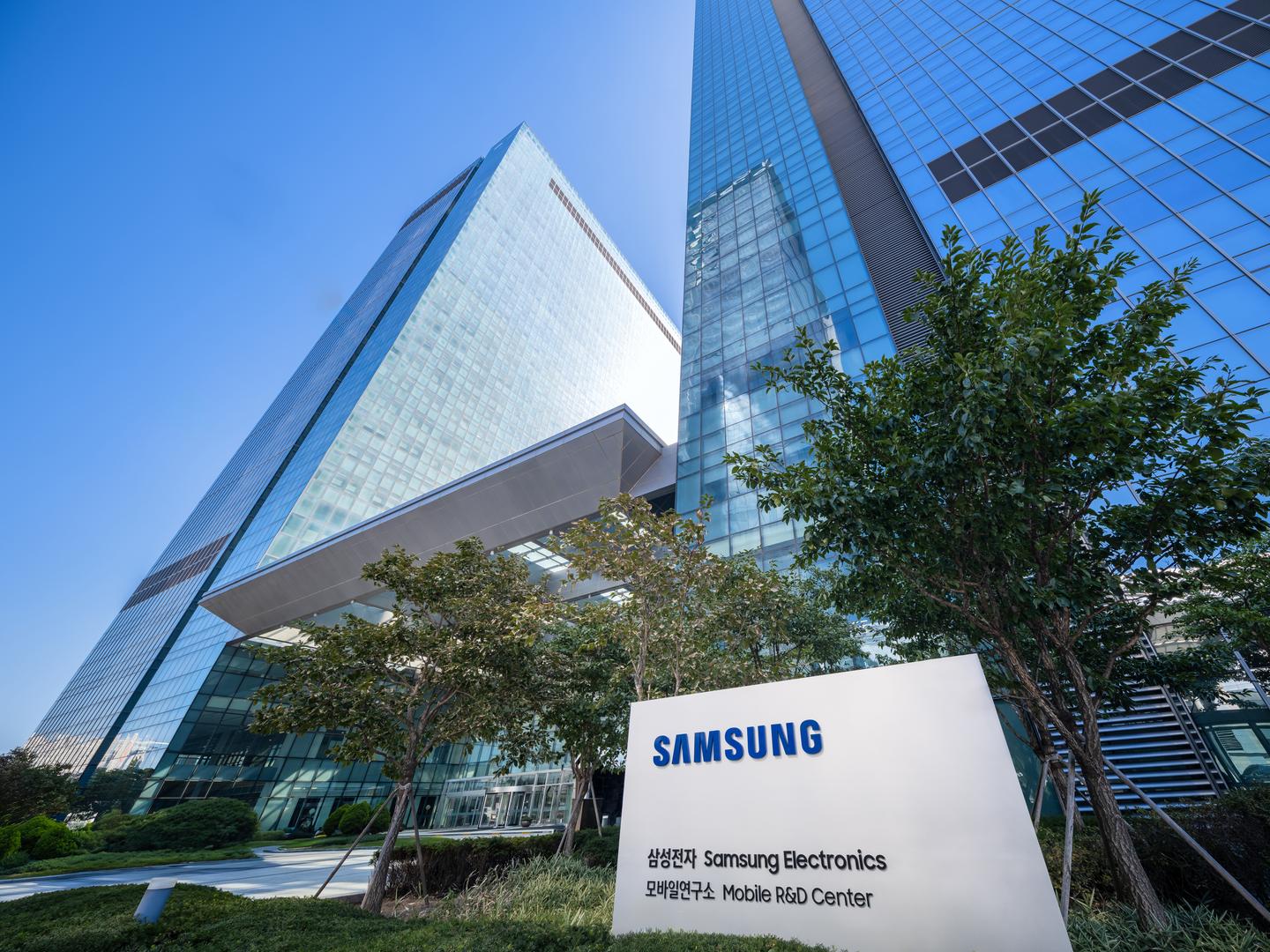
Samsung plans to bring native stablecoin features to 800 million new Galaxy smartphones through Samsung Wallet, a move analysts told CoinDesk could make the company one of the most important distribution channels for tokens such as USDC.
The company said the rollout would include fiat-pegged savings and payments accounts built directly into Samsung Wallet. If Samsung follows through, hundreds of millions of Galaxy users could gain access to stablecoin tools and other crypto features without needing a separate crypto app or an exchange account.
CoinDesk reported that Samsung presented the wallet expansion during its Galaxy Unpacked 2026 event. The company said more than 800 million smartphones would carry stablecoin capabilities by default. Samsung did not provide estimates for user uptake, and it did not disclose how many people are already using its crypto features.
Wallet expansion rests on an existing crypto base
This is not Samsung’s first move into digital assets. The South Korean conglomerate introduced a digital asset wallet in 2019 through Knox, a hardware-isolated vault that can be accessed with a fingerprint or PIN. The wallet lets users store and manage crypto including bitcoin, ether and TRON, and it supports direct connections between Galaxy devices and external hardware wallets such as Ledger’s Nano S and Nano X.
Samsung is now making the case that payments can be made easier by using a form of cryptocurrency built to maintain a steady value. The company’s latest plan would move that idea from a niche feature into a default part of the smartphone experience.
Lee Dinham, a smartphone specialist product manager, said at the event that Samsung would embrace new forms of digital value, including stablecoins. He said Samsung Wallet already has nearly 19 million users in South Korea alone and is available in 61 countries, though he did not break out the number of active crypto users inside the Samsung ecosystem.
“This will make Samsung one of the first major mobile phone brands to offer native stablecoins on smartphones, enabling fast and reliable transfer of digital value,” Dinham said during the event.
He added: “By doing so, Samsung Wallet becomes the foundation for an interconnected financial ecosystem across Galaxy devices and services — where it combines payments, rewards, and digital assets into a single unified experience.”
Samsung also said there are already more than 1 billion active Samsung smartphones worldwide. If the company completes the rollout as described, more than 800 million devices could potentially gain access to Galaxy stablecoin features.
Analysts see distribution as the scarce asset
Joseph Goh, director and head of Asia Pacific at crypto investment banking and advisory firm Areta, told CoinDesk in chat messages that Samsung’s move could put it in a dominant position as a stablecoin distributor.
“Due to this strategic move, Samsung will emerge as a dominant distributor of stablecoins such as USDC,” Goh said.
He argued that one of the biggest obstacles to broader adoption is reaching new users. “Distribution is the scarce asset here, and Samsung owns a great deal of it,” he said.
Ben Nadareski, CEO and co-founder of Solstice, also described the development as positive for crypto adoption and agreed that Samsung now occupies a rare position.
“The broader picture is distribution catching up to liquidity,” Nadareski said in a Telegram conversation. “For years, crypto had deep venues in places like South Korea and weak paths into daily spend. Samsung Wallet points the other way: stablecoins inside a hub people open for cards and checkout.”
Robby Yung, CEO of Investments at Animoca Brands, said wider distribution is good news for crypto adoption. He noted that mobile ecosystems have historically made that difficult.
“As we know, distribution has always been a major challenge for digital assets, given the closed nature of mobile ecosystems,” Yung said. He added that he is not sure this gives Samsung a clear edge over crypto-native platforms, but said, “overall, I think this is great news for the sector.”
Yat Siu, executive chairman of Animoca Brands, said he sees Samsung’s move as an expanded feature set rather than an effort to build a super app. He said the integration could give Samsung an advantage over Apple and Google in serving crypto users, but apps and merchants would still need to make stablecoins useful for everyday spending. CoinDesk noted that Samsung is an investor in Animoca Brands.
The Dunamu investment points to a larger infrastructure play
Samsung’s wallet plan is only one side of what analysts described as a broader strategy. On its second-quarter earnings call last week, Samsung SDS CEO Lee Jun-hee said the company’s stake in Dunamu, the operator of South Korea’s largest crypto exchange Upbit, is a strategic investment meant to enter the digital asset infrastructure business, including stablecoins and AI-powered payments.
In May, three Samsung affiliates agreed to acquire a 4% stake in Dunamu for $408 million. The entities involved are Samsung Securities, Samsung SDS and Samsung Card.
Goh said that deal represents “the other half of the same strategy,” and from a transaction standpoint, he said it may be the more revealing part. In his view, the wallet announcement secures distribution, while Samsung SDS and Dunamu would help secure the infrastructure below it.
He also said he believes Samsung wants to build the infrastructure itself instead of relying on a third-party provider. “Their goal is to be positioned in both dollar and won stablecoins while Korea's framework is still being discussed. The timing is deliberate,” Goh said.
Regulation in South Korea is still taking shape
Samsung’s timing comes as South Korea continues to work through a draft legal framework for digital assets. The country unveiled a draft of the Digital Asset Basic Act in April. The proposal would lay the groundwork for digital assets, including trading, custody, supervision and stablecoin issuance.
There is still no deadline for approval of the act or for the implementation of the new crypto rules. Even so, the combination of wallet distribution and infrastructure investment has led several market participants cited by CoinDesk to frame Samsung’s move as a deliberate effort to prepare for both dollar- and won-denominated stablecoins.
A single consumer entry point for payments, rewards and digital assets
The picture that emerges from Samsung’s latest announcements is not just a new crypto feature inside a phone wallet. The company is trying to place stablecoin savings, payments, rewards and digital assets inside one consumer-facing hub that already sits on Galaxy devices across dozens of markets.
Whether adoption matches the scale of the rollout remains unclear, because Samsung has not released projections or current crypto user figures. What is clear from the information disclosed so far is that the company is pairing device reach with wallet software and exchange-linked infrastructure at a time when South Korea’s stablecoin rules are still being shaped.