
Google, Bing, and DuckDuckGo have removed search results tied to a Claude data exposure, but similar files from Perplexity users were still searchable and accessible on July 27, according to Protos.
The report said Anthropic and the three search engines de-indexed a major leak involving Claude customer information. At the same time, Protos said search results for Perplexity Computer content were still appearing, and that reporters could access dozens of complete files from assorted customers by querying Google, Bing, and DuckDuckGo with the standard URL format used for shareable links.
Protos said those pages were not cached copies held by search engines. They were live pages hosted on the Perplexity.ai domain. The outlet added that it had reported the issue to Perplexity and to Google, Bing, and DuckDuckGo.
Perplexity charges for Computer access, according to the report. Protos also said the company was last valued at $20 billion and has tens of millions of active users.
Claude links were de-indexed after the story spread
Protos said the original exposure affecting Anthropic customers came from Claude share links. The report said Claude’s interface did not warn customers that creating a shareable link could also lead to its contents being indexed by search engines.
Many users did not intend for those links to be indexed, Protos wrote. The article said Claude did not properly hide the pages with no-index tags or other privacy protections, which allowed search engines to index both the links and their related files and artifacts.
After the story went viral, search engines removed Claude’s public-sharing directory from search listings. Protos said current searches now return zero results for Claude, while an equivalent query for Perplexity still produces pages of listings.
Perplexity sharing language is narrower than the exposure described
The report said exposed Perplexity Computer files carried specific titles across a range of topics. It also drew a distinction between the exposed pages and pplx.app, a separate Perplexity domain used by customers who intentionally publish content to the internet. Protos said that domain is unrelated to the leak described in the story.
Google notes that its site operator does not necessarily return every indexed page, the article said. That means more targeted keyword searches could surface additional content beyond the examples already found.

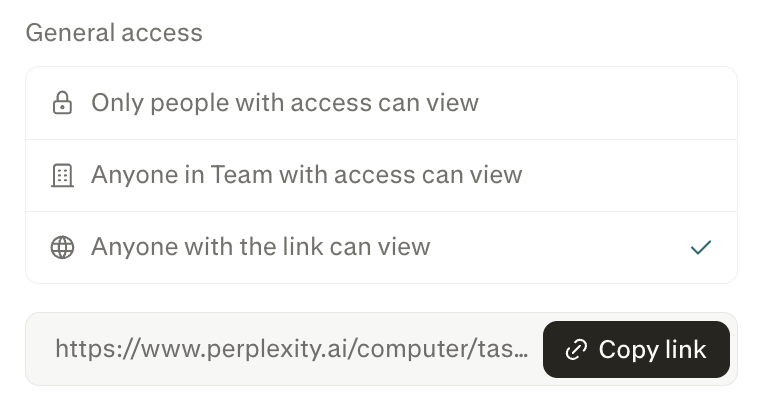
Protos said Perplexity, like Claude, turned obscure public URLs into a route for strangers searching for personal details. It highlighted wording in the Perplexity Share interface that says, “Anyone with the link can view,” rather than warning that anyone on the internet may be able to view the page.
Earlier AI privacy incidents were also cited
The article pointed to a Reddit post from July 25 that flagged the Claude search-indexing issue and alleged that some indexed conversations contained credentials, resumes, internal company information, and personal discussions. Protos said it did not inspect those conversations and could not independently verify the claim.
It also said Anthropic has faced a similar issue before. Forbes reported in September 2025 that hundreds of shared Claude conversations appeared in Google before those results were de-indexed. OpenAI ran into a related issue in July 2025, and its security chief said the company removed an opt-in feature that made shared ChatGPT conversations discoverable through search engines.