
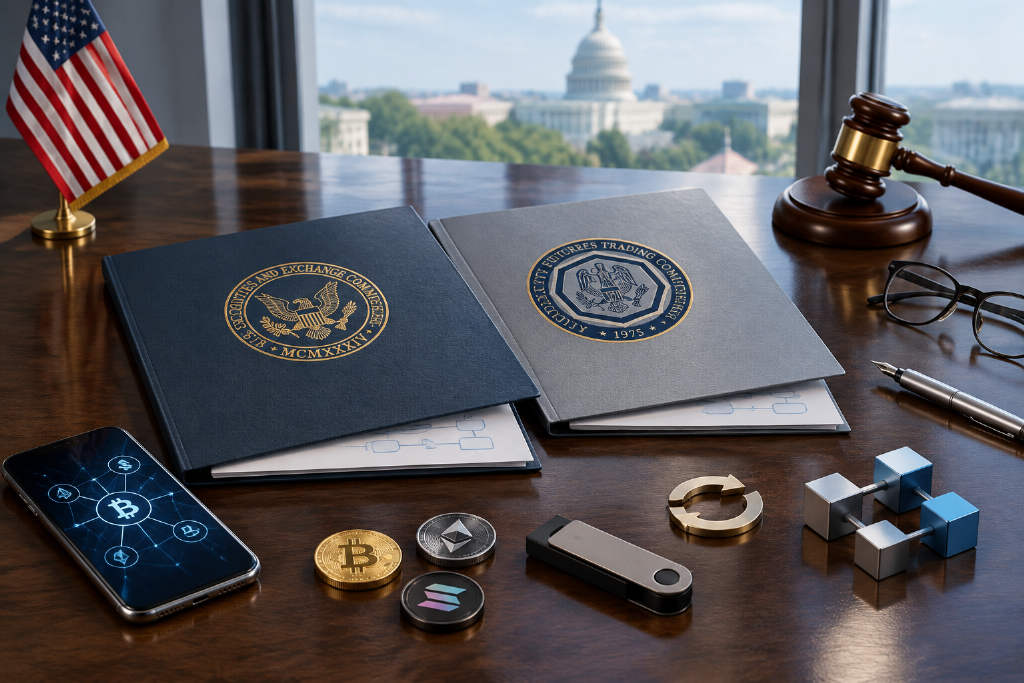
The U.S. Securities and Exchange Commission’s Division of Corporation Finance updated its frequently asked questions on crypto assets on Friday, stating that token buybacks, network upgrades and marketing do not automatically make a crypto asset a security.
The document says that for a crypto network that is already operational, announcing a buyback plan on its own does not make the related token an investment contract. For a network that is not yet operational, though, that conclusion does not necessarily apply if the issuer promotes the buyback as a source of returns for holders.
How the guidance treats ongoing development and marketing
Addressing continued development after a crypto project goes live, the FAQ says that once a crypto system is functioning, services used to protect, maintain, improve or enhance the system and its functionality, or to promote network effects, are not the kind of managerial efforts described under the Howey test.
It also says that marketing a network’s current uses generally does not create an expectation of profits. Statements about future functionality are treated in the same way, provided they do not promote the possibility of profit.
The SEC repeated that any determination remains highly dependent on the facts and circumstances of each case.
Built on the SEC’s March interpretive release
The updated FAQ is based on the SEC’s interpretive guidance issued in March this year on the application of securities law to crypto assets. It was released weeks after the Clarity Act failed to move forward in the Senate, with regulators continuing to work under existing law.
CFTC also revised its crypto FAQ
The document also noted that the U.S. Commodity Futures Trading Commission updated its own crypto FAQ on Thursday. The CFTC said futures firms and clearinghouses may invest customer funds in tokenized versions of assets that had already been permitted, as long as investment and custody requirements are met.
It also said regulated firms may use blockchain for recordkeeping, but they must be able to provide those records if the blockchain or its block explorer is unavailable.