
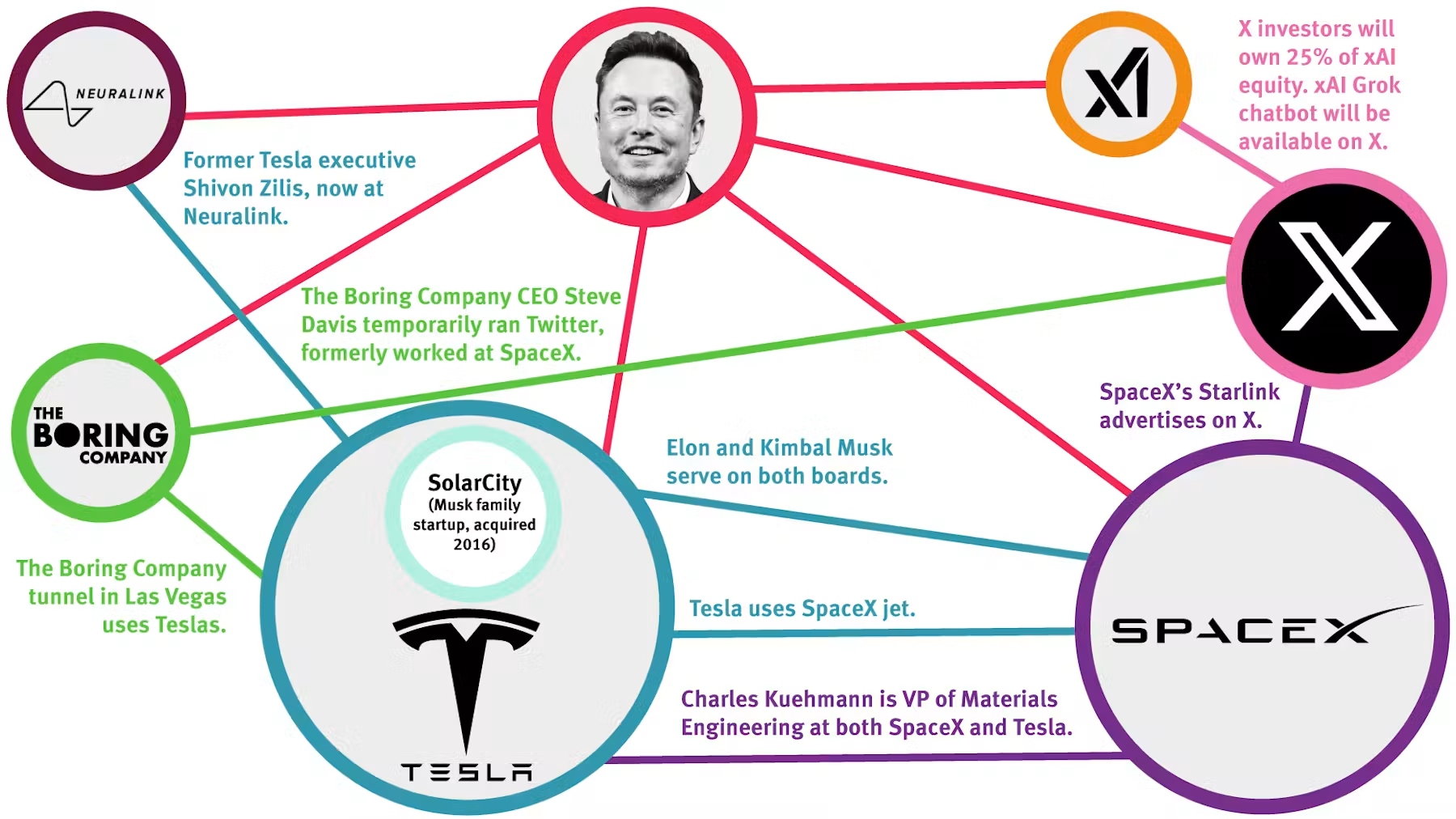
On June 12, 2026, SpaceX listed on Nasdaq (ticker SPCX) at $135, closing at $160.95 — a 19.2% single-day gain that pushed its market cap above $2.1 trillion, the largest IPO in history. Elon Musk's personal net worth surpassed $1.1 trillion, making him the first trillionaire. Behind this capital spectacle lies a pre-designed business logic: Musk has been assembling a self-sustaining, evolving ecosystem covering AI, communications, space transport, manufacturing, and human-machine interaction.
xAI: The Intelligence & Compute Core
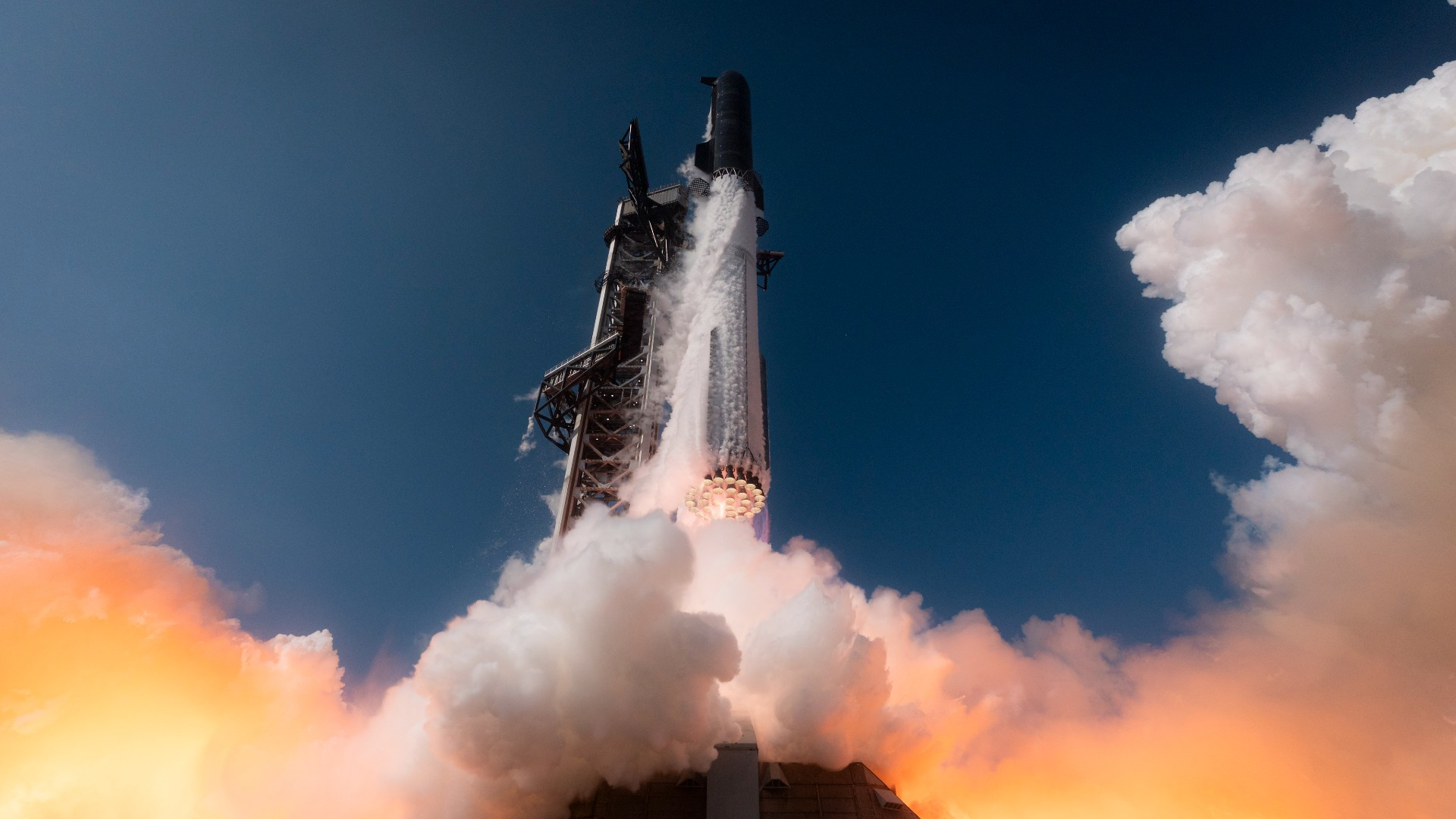
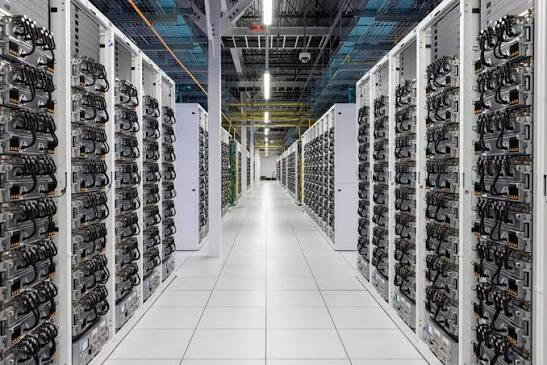
xAI was fully acquired by SpaceX in February 2026 for $250 billion. Beyond the Grok chatbot, xAI operates Colossus — a supercomputing cluster with 200,000 H100 GPUs built in 122 days and doubled in 92 days. It runs billions of virtual simulations for rocket combustion, robot kinematics, and material wear, providing precise AI support across the ecosystem. However, ground-based AI faces physical limits: frontier compute costs and power demand double every 9 months, with Colossus consuming 300 MW. Musk's solution is orbital compute — harnessing solar energy and natural cooling in space. SpaceX plans an orbital AI compute demo by end of 2027 and has approval for up to 1 million space data-center satellites. Meanwhile, xAI acquired X platform for real-time human behavioral data, complementing its physical simulation data to create a unique iteration advantage.
Starlink: Global Real-Time Network
Starlink's low-Earth-orbit satellite internet now serves over 10.3 million users with ~9,600 operational satellites. In 2025 it contributed ~60% of SpaceX's $18.67 billion revenue. Its laser inter-satellite links enable low-latency intercontinental communication and full global coverage, forming the communication backbone for future orbital compute-ground interaction.
Starship: Low-Cost Space Transport
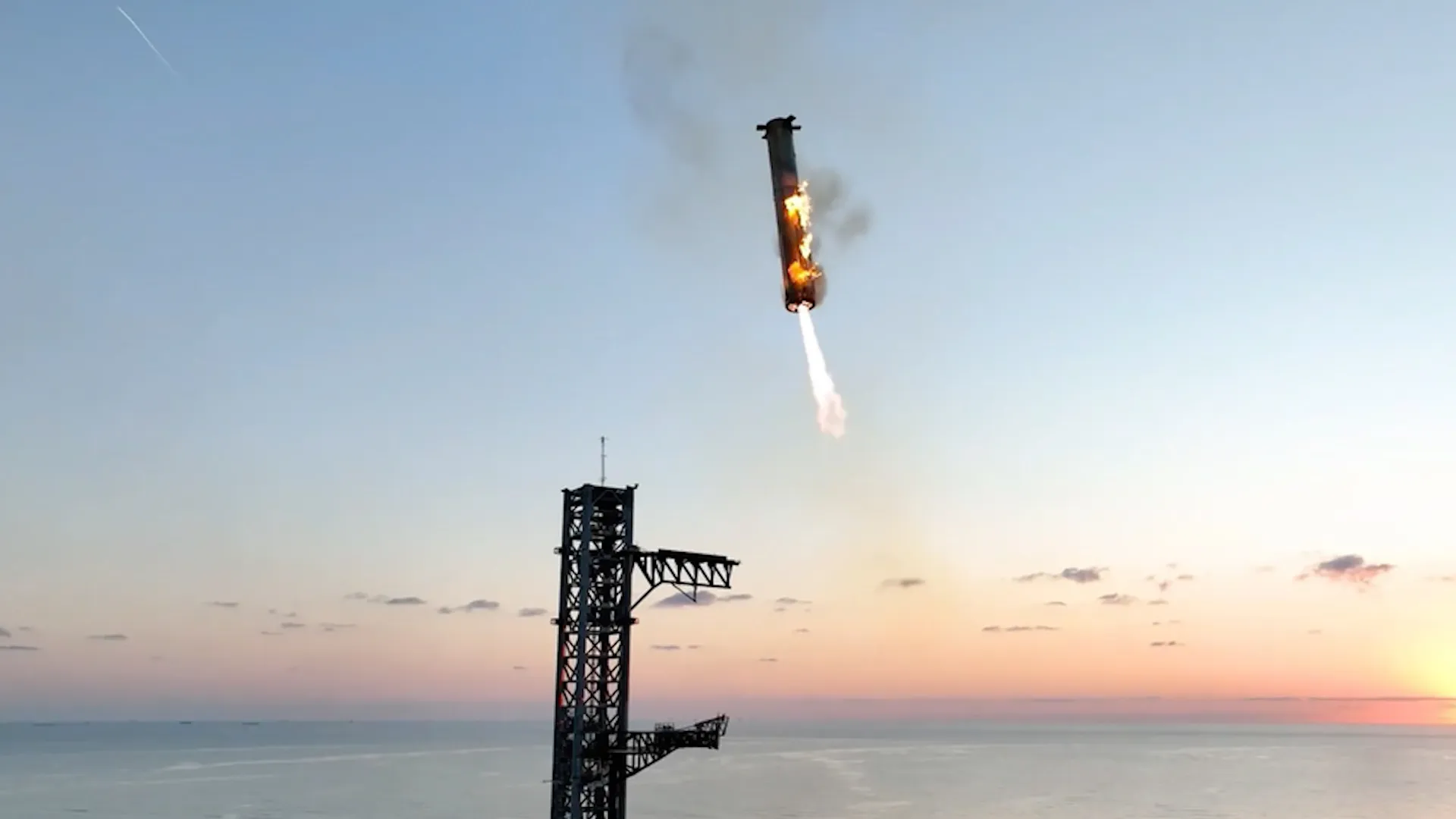
Starship, still under development, aims for a per-launch cost under $10 million (long-term marginal cost near $2 million), compared to Falcon 9's $74 million and NASA SLS's $2-4 billion. With 100+ ton payload capacity and rapid reusability, Starship will dramatically reduce satellite deployment and space infrastructure costs, becoming the only scalable low-cost space transport vehicle.
Tesla & Optimus: From EVs to Physical AI
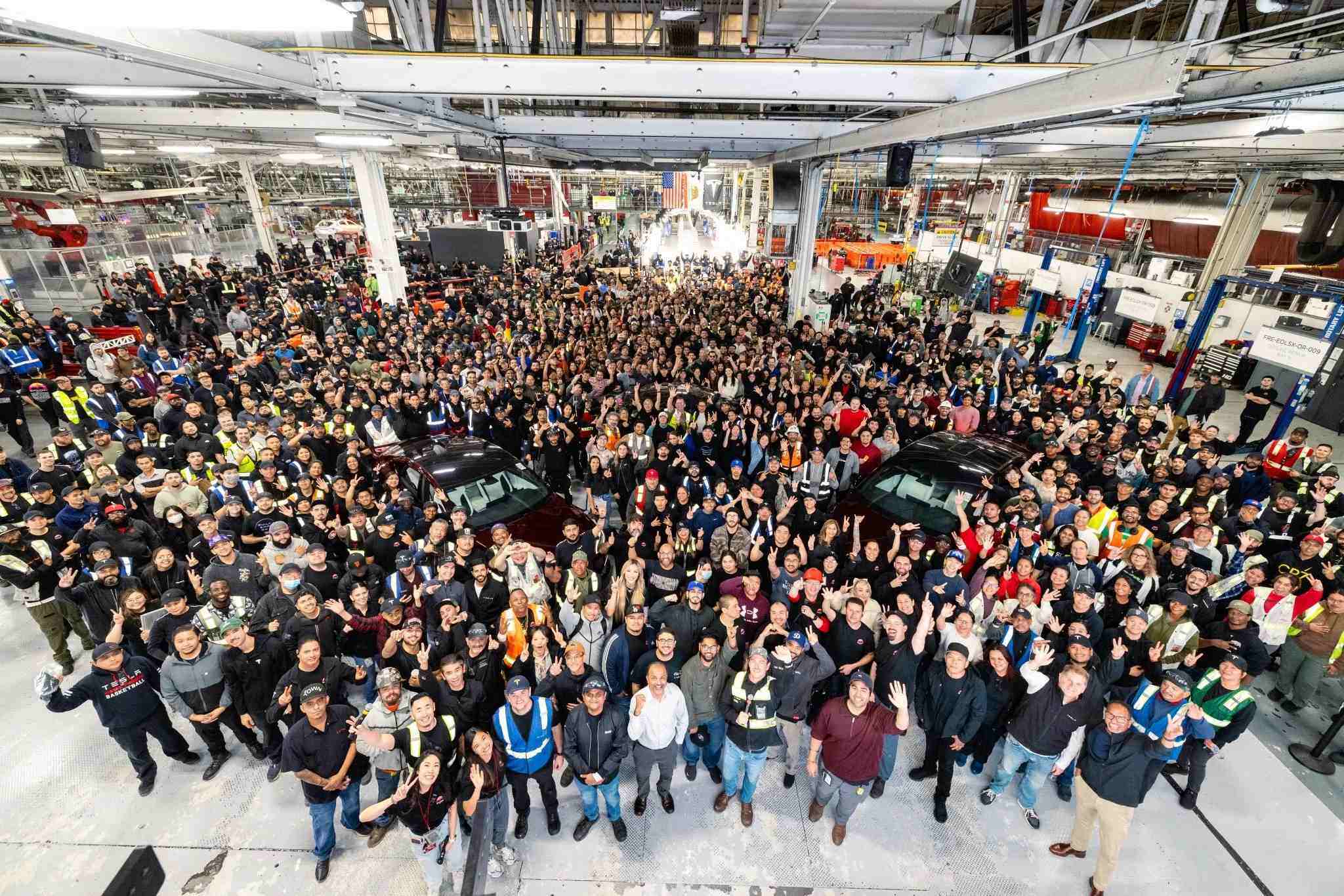
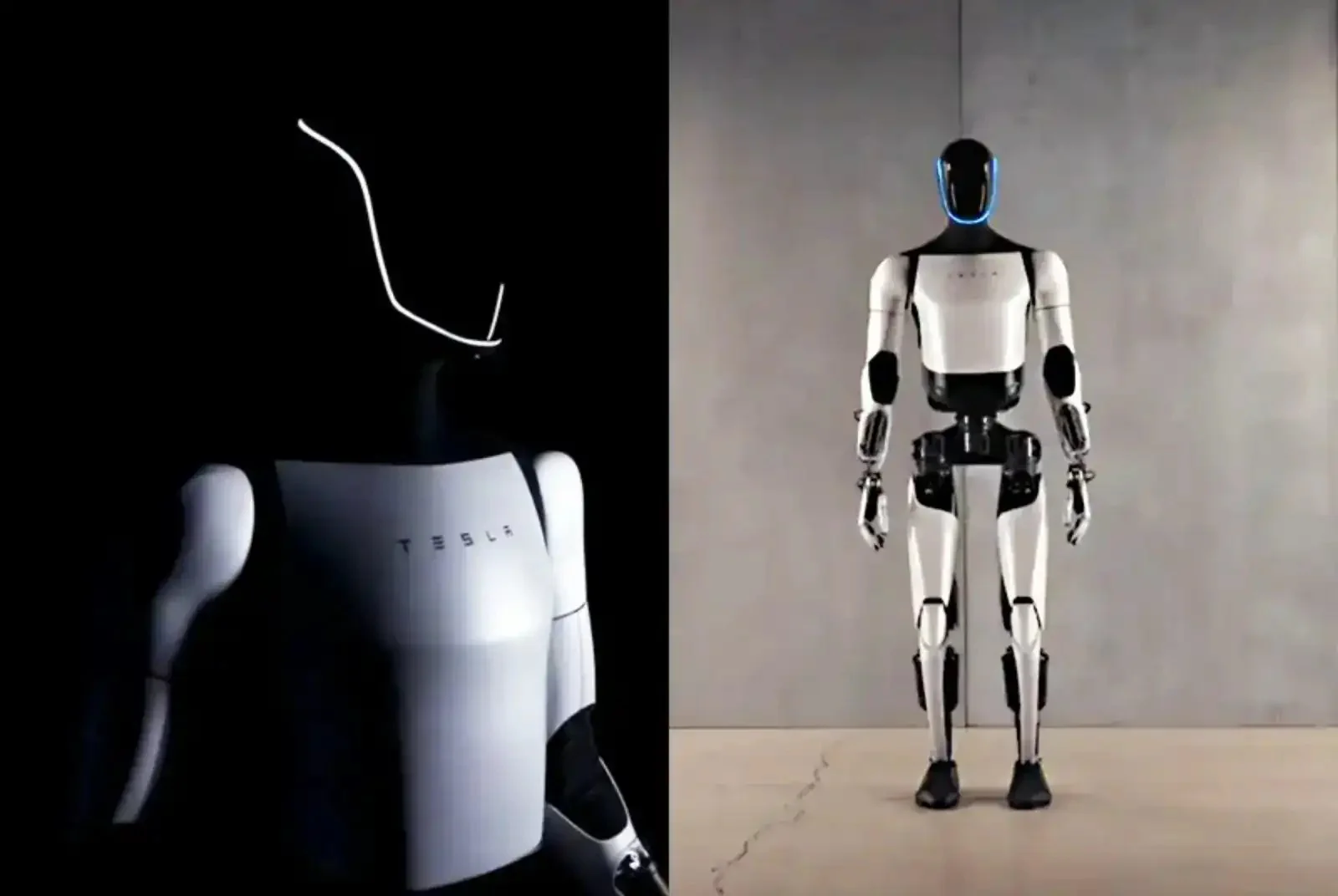
In January 2026, Tesla permanently ended production of Model S and Model X, freeing Fremont factory capacity for the Optimus humanoid robot. Tesla repositioned itself as a "Physical AI company." Optimus shares perception algorithms, supply chains, and mass-production know-how with Tesla's vehicles. It is designed for aerospace assembly, precision manufacturing, and hazardous operations, while its real-world operational data flows back to xAI for continuous improvement — forming a "production-application-data-iteration" loop.
Neuralink & X: Human-Machine Interface
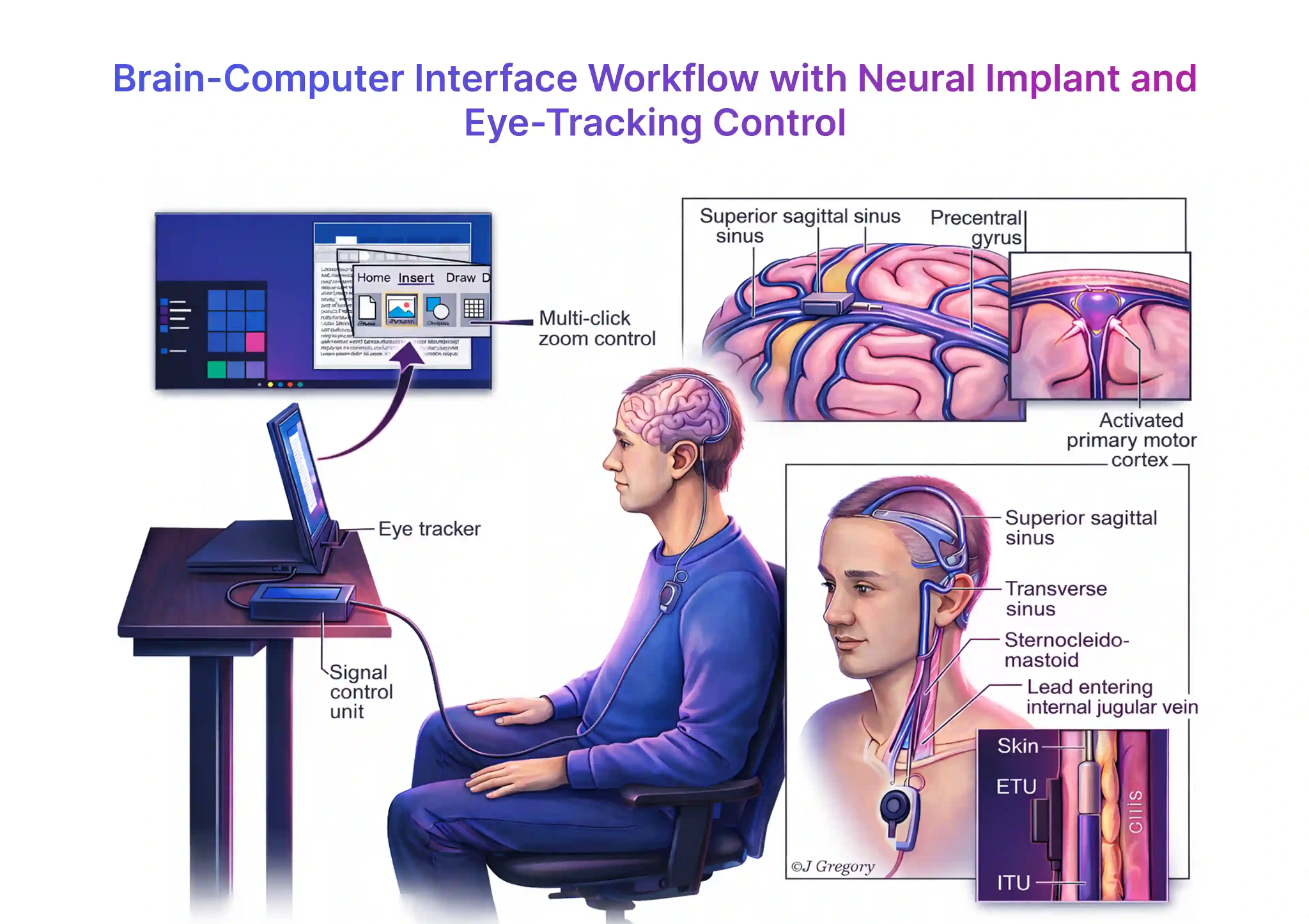
Neuralink performed the first human brain implant in January 2024; by January 2026, seven patients had used the device to control computers with thought. Its long-term goal is to break bandwidth limits of human-machine interaction. X platform aggregates macroscale societal data, helping AI understand real human contexts. Together, they enable a closed loop: human intent → AI computation → machine execution → real-world feedback.
Three Flywheels Driving the Closed Loop
1. Manufacturing-Launch-Deployment Cost Flywheel: Tesla's mass production lowers hardware costs; Starship's reusability cuts launch costs; Starlink's scale generates orders and data to further optimize design. 2. Data-Simulation-Physical Testing Flywheel: xAI's virtual simulations eliminate ineffective designs; real-world data from rockets, robots, and production lines refines models, accelerating iteration. 3. Energy-Compute-Network Synergy Flywheel: Tesla sold $430 million of Megapacks to xAI in 2025; Starlink provides connectivity; Starship deploys nodes; xAI orchestrates compute. These flywheels collectively reduce costs and boost iteration speed.
Risks and Challenges
Technical: Starship reusability, Optimus mass production, orbital compute engineering remain unproven. Governance: Tesla, SpaceX, xAI, and Neuralink have separate shareholders; related-party transactions and data-sharing must be fair. Regulatory: data localization, communication licenses, and national security rules may hinder global operations. Any failure in a critical block could stall the positive flywheels.
Valuation Logic: Infrastructure Hub
SpaceX's extraordinary valuation stems from its role as the central infrastructure node of Musk's ecosystem. Rocket transport, Starlink's global network, future orbital compute, and space commerce all depend on SpaceX. The market prices in launch revenue, Starlink cash flow, Starship capacity, and orbital compute potential. This IPO is a concentrated valuation of the entire system. Whether that valuation holds depends on the execution of these capabilities and the stable operation of the closed loop.