

Strive, BitMine and Strategy disclosed fresh crypto purchases on Monday. The report said that Strive and Strategy alone, both corporate Bitcoin holders, deployed more than $500 million in purchase funding within a week.

In the report’s framing, buying at elevated prices is not an operating mistake for these companies. It is central to the business model. These firms issue new shares to raise capital, then use the proceeds to buy crypto assets, and stock sales tend to work best when coin prices are rising.
What the three companies bought
Strive, led by CEO Matt Cole, bought an additional 1,800 BTC at an average cost of $79,431. After the purchase, its total Bitcoin holdings reached 23,156 BTC, valued at about $1.83 billion on Monday.
A filing laid out the funding mechanics in detail. Strive issued 3,579,147 new Class A shares during the week. Even after the sizable Bitcoin purchase, the company’s cash reserves still increased by $11.6 million, bringing total cash to $183.5 million.
BitMine took a different route. It added 53,501 ETH in the latest purchase and has now bought without interruption for 65 weeks, according to the report. That buying cycle began in June 2025.
Yield is where BitMine stands apart. The company has placed 86% of its Ether holdings, a total of 5,067,309 ETH, into staking through its U.S. validator network MAVAN.
Chairman Tom Lee said the staking business could generate $335 million to $390 million in annual revenue. BitMine currently holds 4.9% of Ether’s total supply and remains 133,888 ETH short of its 5% ownership target.
Strategy was the third buyer. It purchased another 4,603 BTC, ending a 10-week pause in buying. Strategy also disclosed that its current average carrying cost per Bitcoin stands at $75,412.
ETF flows turned before the companies did
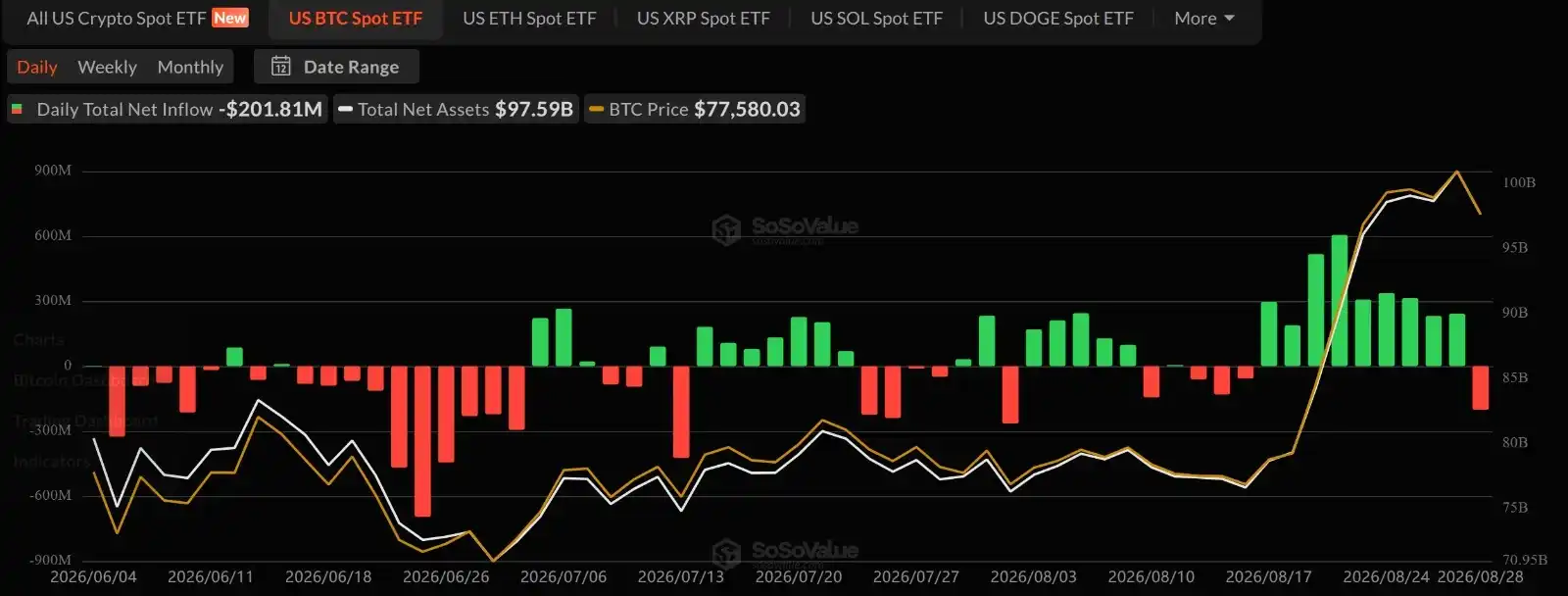
The report linked the latest wave of corporate buying to a shift in fund flows. Data from SoSoValue showed that U.S. spot Bitcoin ETFs absorbed more than $3.3 billion in August, after the sector saw $4.5 billion in outflows in June.
Spot Ether ETF flows reversed as well. After earlier outflows, the group recorded roughly $1.75 billion in net inflows, the strongest showing since last October. Bitcoin and Ether prices rose 33.3% during that stretch, according to the report.
The article described the transmission mechanism in full: fund buying lifts crypto prices, rising crypto prices push up the shares of treasury-style holding companies, and those companies then raise more money through stock issuance and recycle that capital into additional crypto purchases.
What changed in August
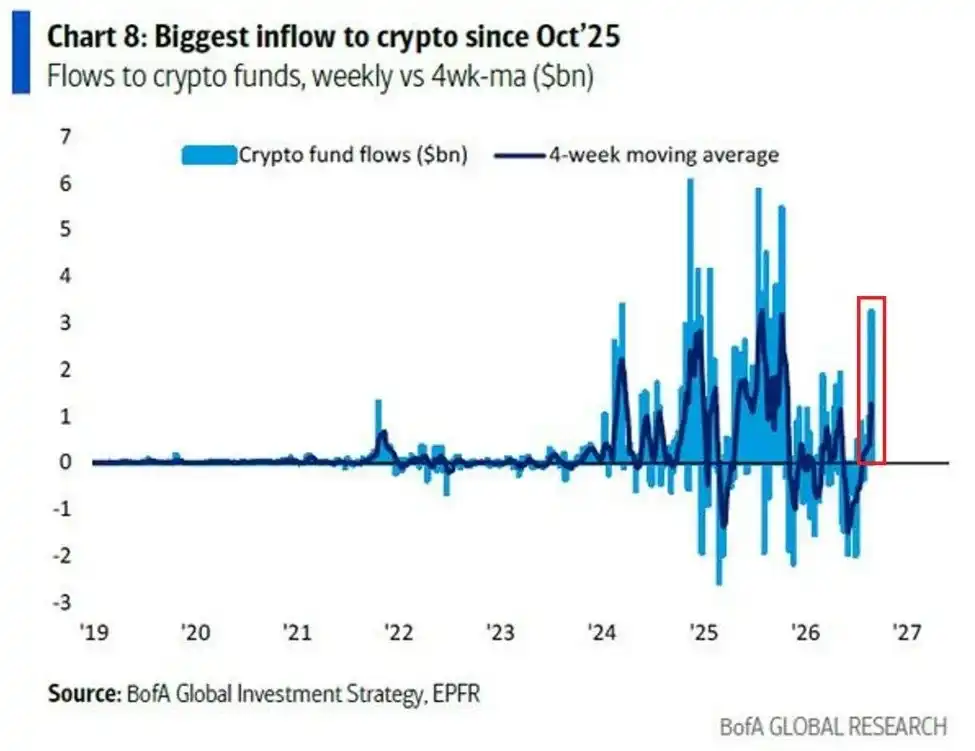
Bank of America data showed that crypto funds as a whole posted $3.2 billion in net inflows last week, the largest weekly inflow since October 2025, a sign that optimism in the market has been building.
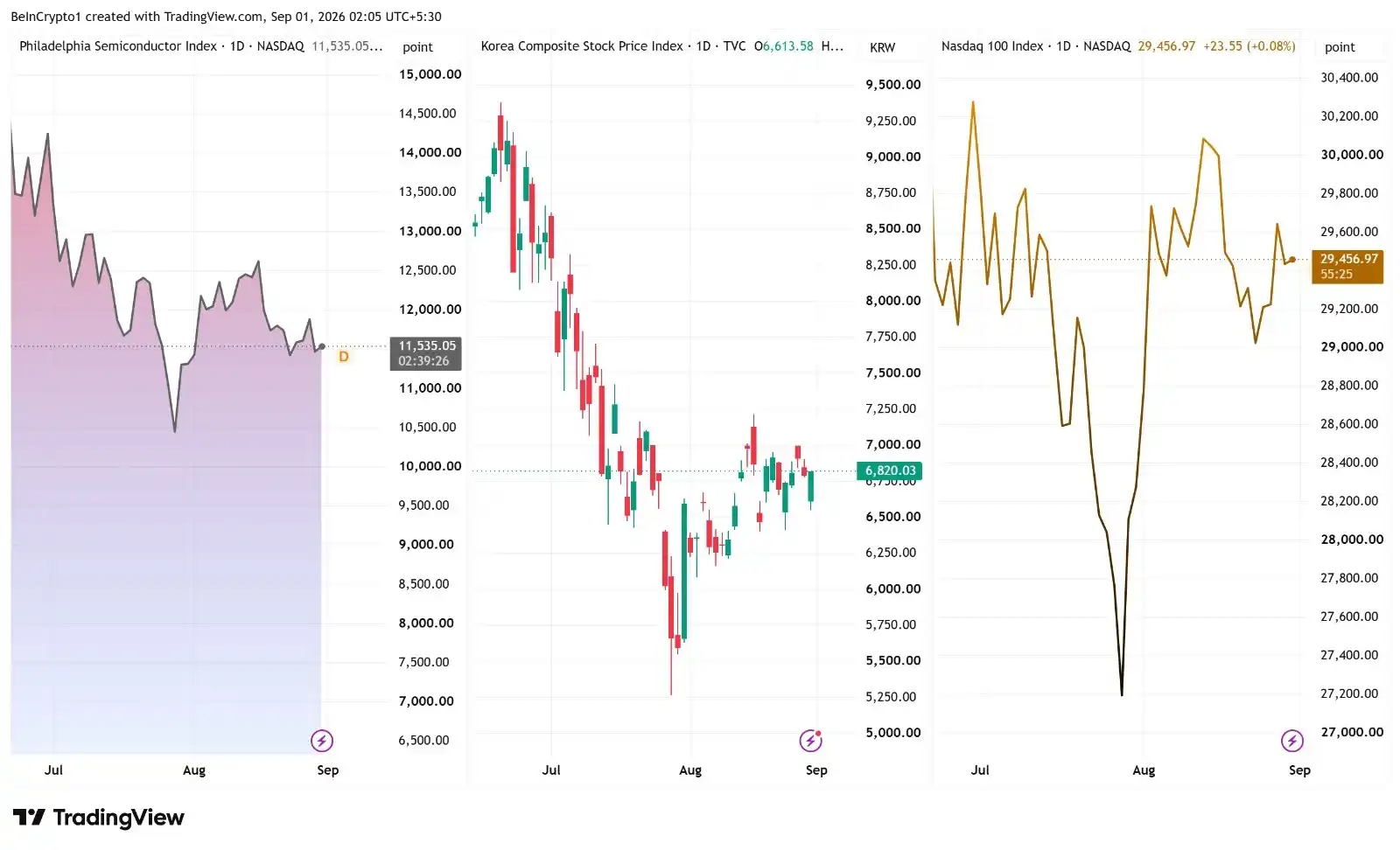
The report also pushed back on a common market narrative that money left the AI sector and moved straight into crypto. It said the timeline does not support that conclusion. The main AI-related selloff hit in July, when the Philadelphia Semiconductor Index fell 20.6% and South Korea’s KOSPI dropped 22%. By August, conditions had improved, with the Nasdaq-100 up 4.2%.
That capital rotation showed up elsewhere as well. In August, foreign investors pulled 10.17 trillion won from South Korean equities, while trading volume on Upbit, South Korea’s largest crypto exchange by the report’s description, surged nearly eightfold.
U.S. policy also added support. On Aug. 19, President Donald Trump urged Congress to advance the CLARITY Act, which is expected to face a vote on Sept. 15.
On the same day, the U.S. Treasury expanded its long-dated bond buyback program, raising the cap for a single operation from $2 billion to at least $4 billion. The report said the easing effect was limited. The 30-year Treasury yield briefly fell to 5.19% before rising back to 5.25%.
Bitcoin traded at about $78,800 on Monday. The report’s final point was blunt: what stops these companies from continuing to buy crypto is not a drop in coin prices, but the closure of funding channels.