

Tether invested $134 million in failing biopharmaceutical firm NovaBay in March, then used the deal to turn the New York Stock Exchange-listed company into a stablecoin holding vehicle, according to Protos.
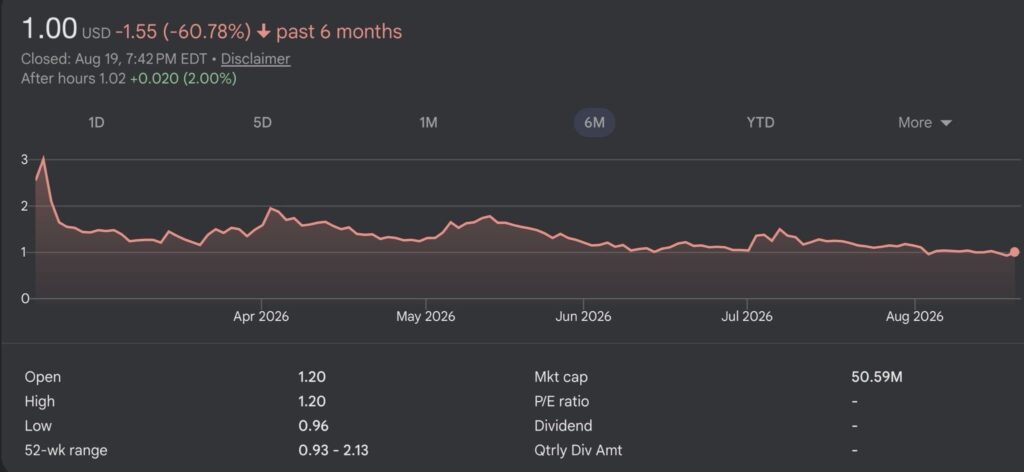
The transaction changed NovaBay’s direction entirely. The company was renamed Stablecoin Development Corporat and used to buy and stake a large amount of rival stablecoin USDS, which Protos says was previously known as MakerDAO.
Protos describes USDS as structurally different from Tether and USDC. USDS is presented as a decentralized stablecoin pegged to the US dollar through overcollateralized vaults and automated liquidations. Tether and USDC, by contrast, are described as centralized stablecoins backed by real-world assets such as Treasury bills, overnight repo agreements, loans, and precious metals.
Tether’s reverse-merger route into USDS exposure
Protos says Tether used a reverse merger with NovaBay to make a meaningful investment in USDS and to keep accumulating and staking the token. The report frames that move as an unusual strategic choice by the c-suite at Digifinex.
Stablecoin Development Corporat’s website says the acquisition gives Tether and USDS “public market access,” entry into new markets, including mortgage and prime brokerage lending markets, and the possibility of unique partnerships.
The same site also lays out aggressive assumptions for the sector. It says stablecoin markets could expand from roughly $300 billion to $1 trillion within a year and a half, and it forecasts 81% year-over-year revenue growth for USDS.
Forecasts versus market reality
Those projected benefits have not shown up so far, Protos argues. After the announcement, the company’s shares briefly climbed from $1.30 to almost $2.00 in early April. By the time Protos published its report, the stock had fallen back to $1.00.
The article repeats that the company website had forecast 81% year-over-year revenue growth for USDS and says plainly that the forecast was wrong.
Protos also flags what it describes as a striking trading pattern. Each time the stock slips below $1.00, someone or some entity appears to buy enough shares to move it back above that level. As one example, the report says the stock dropped to $0.94 three days earlier, then recovered more than 6% within 24 hours to just over $1.00.
That threshold matters. Protos notes that any company whose shares remain below $1.00 for a 30-day period is delisted from the NYSE.
Executive lineup under the spotlight
Protos compares Stablecoin Development Corporat’s leadership mix to the unusual spread of executives and equity holders seen in the early years of Tether and Bitfinex. It says the company now features a notable cast of financiers and influencers.
At the top is CEO Michael Kazley. Protos says he appears to have landed in the role largely by being one of the main investors in the reverse merger between NovaBay and Tether. His investment vehicle, R01 Fund LP, placed a bet of more than $4 million on the new entity and, according to the report, seems to have made few other major investments.
Kazley has said the c-suite sees USDS and the associated SKY Protocol as “undervalued” and that Stablecoin Development Corporat is “wildly bullish” on the asset, with a “greater than a 9% stake.”
The company’s CFO is Tommy Law, who was named interim CFO of NovaBay in 2023. Protos says he has kept the position despite helping preside over the medical company’s decline and despite holding no certifications or licenses tied to the role.
COO Henry Blynn is described as a holdover from NovaBay’s final phase. The report says the 32-year-old joined as a consultant in October 2025.

Board composition raises more questions
Protos directs similar scrutiny at the board. It says Stablecoin Development Corporat’s directors include several people with little visible connection to crypto or stablecoins.
One example is Yenyou Zheng, who chairs the audit committee and the nominating and corporate governance committee, and also sits on the compensation committee. Protos says Zheng was listed in the International Consortium of Investigative Journalists’ Panama Papers because of involvement with China Vitup Healthcare Holdings. The Dalian-based company, now defunct, was once listed on OTCMarkets as China Vitup Hospital, then changed its name to Emergency Pest Services, and most recently to Clean Vision Corporation.
Swan Sit also sits on all three committees. Protos describes her as a Hong Kong native who moved to Boston at age six. She calls herself a “thought leader and business disrupter” and has held marketing roles for a number of brands during her career. The report says it is unclear what qualifies her to sit on the audit or compensation committees.
Another director, Paul E. Freiman, is also singled out. Protos cites a personal biography from a cancer research company saying Freiman has worked exclusively for pharmaceutical companies for more than four decades. The report says it is unclear why he is involved with a stablecoin holding company after the dismantling of the biopharmaceutical business.
Stock remains under pressure
Protos concludes that, regardless of the executive team, the board, the company’s growth claims, or its strong optimism toward the stablecoin market, Stablecoin Development Corporat is still struggling in what the outlet calls a depressed crypto market.
The publication says it will keep watching whether the newly formed company can meet its own expectations or end up on the Pink Sheets.