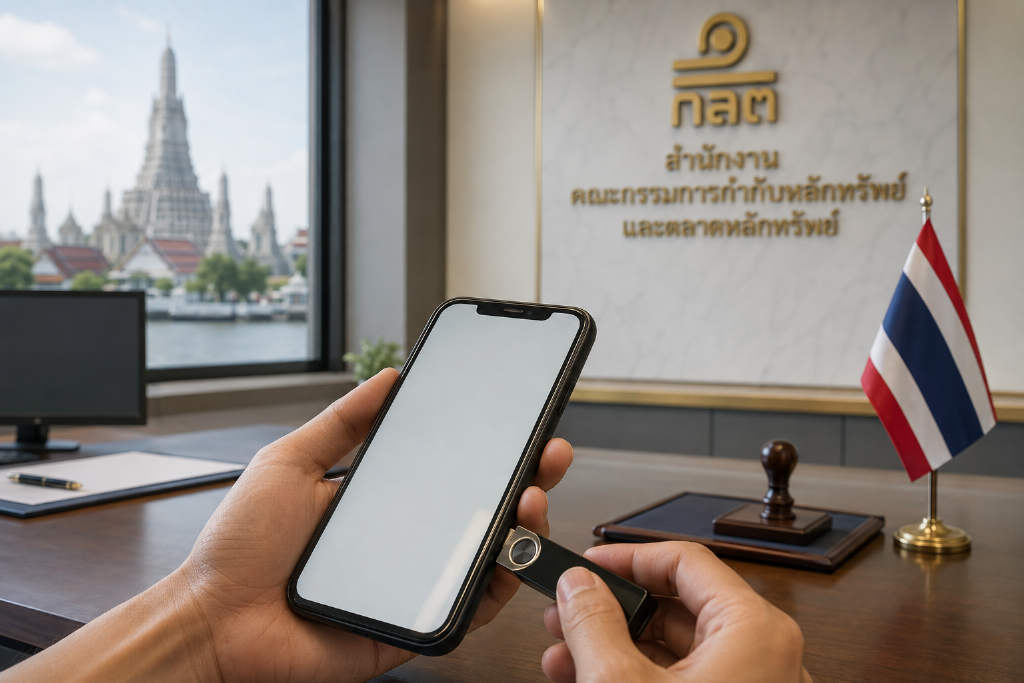
Thailand's Securities and Exchange Commission (SEC) has issued a digital asset Travel Rule requiring licensed operators to verify self-custodial wallet ownership and collect counterparty data, effective February 27, 2027. The rule aims to enhance transparency in peer-to-peer transactions and aligns Thailand with FATF travel rule standards.
Thailand’s Securities and Exchange Commission (SEC) has rolled out a new digital asset Travel Rule. Licensed digital asset operators must verify who owns self-custodial wallets and gather counterparty transaction data. The rule kicks in on February 27, 2027. It applies to all licensed digital asset operators.
The aim? More daylight for peer-to-peer transfers. Operators will have to do due diligence on self-custodial wallet transactions. And Thailand is now joining the group of countries using the Financial Action Task Force (FATF) Travel Rule, keeping in step with international anti-money laundering standards.
According to CoinDesk, the Thai SEC’s new rule will force institutions to collect and share transaction details tied to self-custodial wallets. The target is simple: better compliance in the digital asset market.
This article was originally published by Bit.Fan. For more cryptocurrency news and market insights, visit www.bit.fan. Disclaimer:
The market information, project data, and third-party content displayed on this platform are for industry information sharing only and do not constitute any form of investment advice or return commitment.
Cryptocurrency trading carries high risks. Users should fully assess their risk tolerance and make independent decisions. All profits, losses, and legal responsibilities are borne by the users themselves.