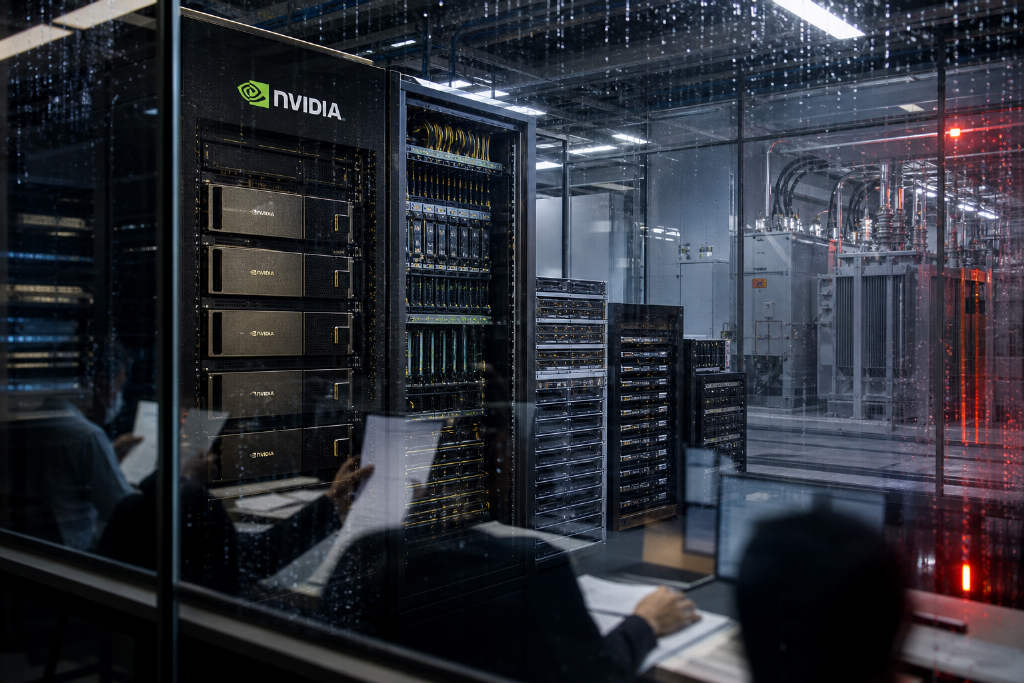
Venture capitalist Tomasz Tunguz said the AI infrastructure buildout is unfolding like a slow relay race, with bottlenecks passing from one layer of the hardware stack to the next. In his view, pressure first hit GPUs, then moved into memory, CPUs and storage, while each constrained link locked up downstream supply for years and reset cost baselines at higher levels. Tunguz pointed to several markers along that path: H100 rental prices rose above $9 an hour in early 2023, server shipments fell 22%, and later capacity shifts toward high-bandwidth memory, or HBM, pushed enterprise SSD prices up 80% in a single quarter while DRAM climbed more than 60%. He also said agent workloads could push the CPU-to-GPU ratio to about 1:1 by the end of 2025, lifting average server CPU prices 27% year over year, with nearline HDD capacity for 2026 already sold out. On the data center side, civil construction costs have reached about $20 billion per gigawatt, and orders for long-lead equipment such as transformers and turbines have been booked out to 2029 through 2031.
ChainCatcher reported that venture capitalist Tomasz Tunguz said the AI infrastructure story looks more like a slow relay race, with bottlenecks passing from GPUs to memory, CPUs and storage. Each constrained link, he wrote, can freeze the next part of the supply chain for years and lock in a higher cost baseline.
Pressure spread from GPUs into memory and storage
Tunguz said the GPU shock in early 2023 pushed H100 rental rates above $9 per hour, while server shipments fell 22%. After that, manufacturers shifted capacity toward HBM, or high-bandwidth memory. Enterprise SSD prices rose 80% in a single quarter, and DRAM increased more than 60%.
CPU demand, HDD capacity and build costs are now in focus
By the end of 2025, Tunguz said, agent workloads will push the CPU-to-GPU ratio to about 1:1, and average server CPU prices will rise 27% year over year. By 2026, nearline HDD capacity for the full year will be sold out.
He also said civil construction costs for data centers have climbed to about $20 billion per gigawatt. Orders for long-lead equipment, including transformers and turbines, have already been booked out to 2029 through 2031.
Tunguz warns of a hardware bullwhip effect
Tunguz described the pattern as a hardware bullwhip effect. In his framing, long manufacturing delays amplify downstream demand shocks at the upstream end of the supply chain. Once pressure eases at one bottleneck, the strain moves later to the next link. He said transformer capacity expansions, NAND fabs and turbine lines scheduled for delivery in 2027 and 2028 could face overcapacity risk.
This article was originally published by Bit.Fan. For more cryptocurrency news and market insights, visit www.bit.fan. Disclaimer:
The market information, project data, and third-party content displayed on this platform are for industry information sharing only and do not constitute any form of investment advice or return commitment.
Cryptocurrency trading carries high risks. Users should fully assess their risk tolerance and make independent decisions. All profits, losses, and legal responsibilities are borne by the users themselves.