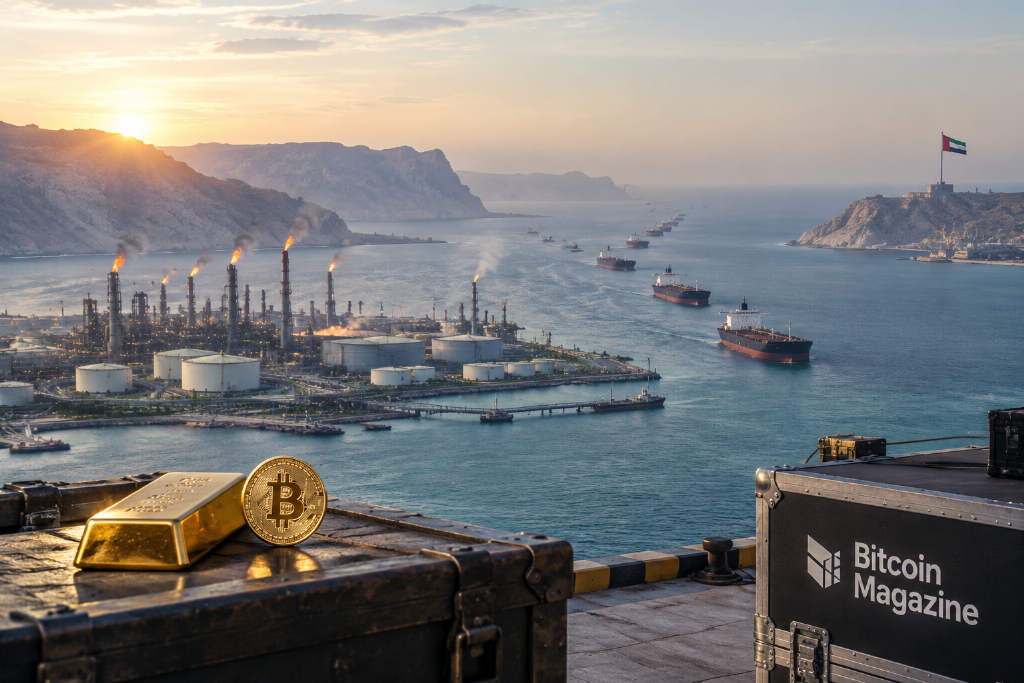
Tracy Shuchart Says BTC Sits in a Commodities Supercycle as Oil and Refining Pressures Build

Tracy Shuchart Says BTC Sits in a Commodities Supercycle as Oil and Refining Pressures Build

N
News Editor
2026-09-29 20:49:46
Bitcoin Magazine has published a video feature titled "Tracy Shuchart: BTC the Commodities Supercycle," written by Patrick Green, centered on a wide-ranging macro discussion led by NinjaTrader Live senior economist Tracy Shuchart. In the segment, Shuchart says 6 million barrels of oil per day still are not moving through the Strait of Hormuz and argues that energy markets remain tight. She also lays out why lost Gulf Cooperation Council production is unlikely to return quickly, why crack spreads are flashing signs of strain, and why the global refining shortage may worsen as winter approaches. The program is structured around a series of topics that extend beyond crude alone. These include Russian refineries, autumn refinery maintenance, the risk that a US diesel export ban could backfire, and the relative resilience of hard assets such as gold and Bitcoin. Later chapters turn to Venezuela’s oil discount and its implications for US refiners, Venezuela’s geopolitical and critical minerals relevance, debt tied to AI data centers, stress in the bond market, and an expected copper shortage linked to AI demand. The episode closes by asking whether the US can grow its way through a supply shock. Bitcoin Magazine notes that the views expressed are those of the participants and do not necessarily reflect the position of BTC Inc. or affiliated entities.

Bitcoin Magazine has published a video feature titled Tracy Shuchart: BTC the Commodities Supercycle. In the program, NinjaTrader Live senior economist Tracy Shuchart says 6 million barrels of oil per day still are not getting through the Strait of Hormuz, with markets continuing to tighten.

Main topics covered in the program

According to the episode description, Shuchart explains why lost Gulf Cooperation Council, or GCC, production will not return quickly. She also says crack spreads are signaling stress and that the global refining shortage could worsen as the market heads into winter.

Chapter breakdown

  • 0:00 — Tracy Shuchart on the Strait of Hormuz and tightening oil markets
  • 1:07 — Crack spreads, Russian refineries, and the global refining shortage
  • 2:50 — Fall refinery maintenance and a dire winter setup
  • 3:22 — Why a US diesel export ban would backfire
  • 4:45 — Gold vs. Bitcoin: why hard assets are holding up
  • 7:15 — Venezuela’s oil discount and what it means for US refiners
  • 8:31 — Venezuela as a geopolitical and critical minerals play
  • 9:28 — AI data center debt and stress in the bond market
  • 11:02 — The coming copper shortage and AI’s supply problem
  • 12:41 — Can the US grow its way through a supply shock?

Disclaimer and attribution

The program states that the views and opinions expressed are those of the participants and do not necessarily reflect the official policy or position of BTC Inc., Bitcoin Magazine, or any affiliated entities. It also says the content is provided for informational and educational purposes only and should not be taken as investment, legal, tax, or accounting advice. Nothing in the show constitutes a solicitation, recommendation, endorsement, or an offer to buy or sell any securities or financial instruments. Viewers are advised to consult their own advisers before making financial or business decisions.

Bitcoin Magazine says the post first appeared on its platform and was written by Patrick Green.

This article was originally published by Bit.Fan. For more cryptocurrency news and market insights, visit www.bit.fan.
2700

Disclaimer:

The market information, project data, and third-party content displayed on this platform are for industry information sharing only and do not constitute any form of investment advice or return commitment.

Cryptocurrency trading carries high risks. Users should fully assess their risk tolerance and make independent decisions. All profits, losses, and legal responsibilities are borne by the users themselves.