
U.S. Treasury yields are rising again, and CoinDesk said that matters for crypto far more than many market die-hards like to admit. In its Aug. 11 Daybook excerpt, the publication argued that when the risk-free rate moves sharply higher, it starts competing with stocks and other assets for capital, and history suggests the adjustment can be painful.
Timmer points back to the 1960s through the mid-1990s
CoinDesk cited an X post from Jurrien Timmer, director of global macro at Fidelity Investments, who said rising Treasury yields from the 1960s through the mid-1990s made government bonds competitive with equities. The point, as framed in the article, is that higher yields raise the opportunity cost of capital and force investors to compare risky assets against a safer source of return.
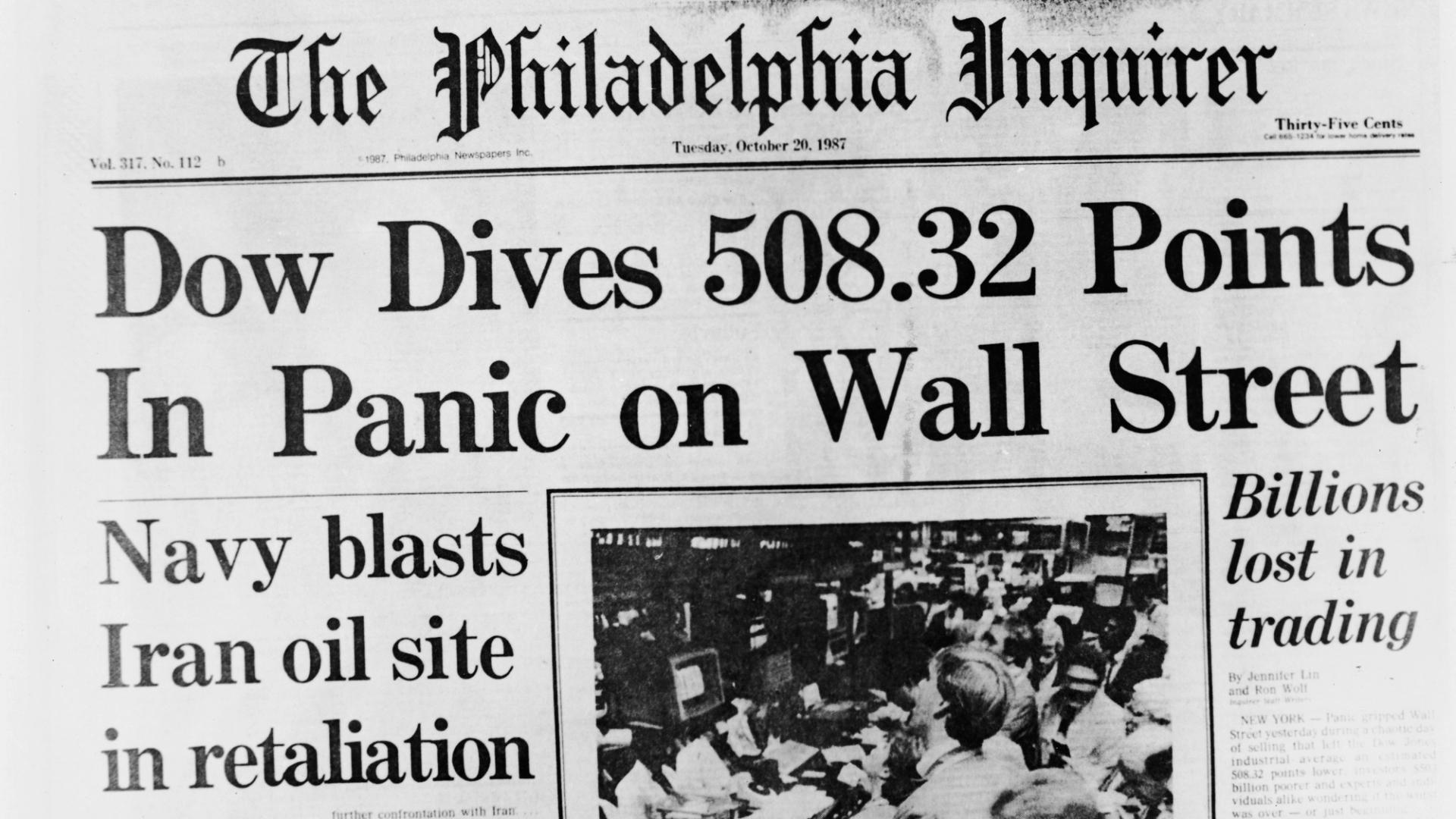
The piece tied that warning to the 1987 Black Monday crash. On Oct. 19, 1987, the Dow Jones Industrial Average fell 508.32 points, or 22.6%, in one day, still the largest one-day percentage drop on record. CoinDesk presented the episode as a hard lesson for investors who ignored the impact of higher capital costs.
Why the comparison is resurfacing now
CoinDesk said Timmer’s reminder is timely because Treasury yields have generally been trending upward since the Covid market crash in 2020, echoing the start of the multi-decade upswing that began in the late 1950s.
According to the article, the 30-year Treasury yield is now hovering around its highest level since 2007. It could move higher again if Wednesday’s U.S. CPI reading beats estimates and strengthens the case for a Federal Reserve that keeps rates higher for longer.
What higher yields mean for stocks and bitcoin
If yields keep rising, CoinDesk wrote, every other asset class, including stocks and bitcoin, will have to justify its price through stronger earnings or cash flows. That test is straightforward for equities. It is less so for bitcoin, which produces neither earnings nor cash flow.
The article said bitcoin’s value rests entirely on its appeal as perceived digital gold and as a hedge against fiat-currency depreciation. In an environment where safer returns are improving, that narrative has to compete more directly for capital.
CoinDesk did not say a repeat of history is inevitable or that both stocks and bitcoin are headed for a crash. Its point was narrower: capital that once had few alternatives and chased narrative and momentum now has a safer option.
CoinDesk says six-figure projections look stretched
Against that backdrop, the publication said forecasts calling for bitcoin to reach $500,000 or $1 million in the coming years appear “a bit stretched.” It ended with a simple warning to stay alert.
What else was trending in the Daybook
The same newsletter excerpt listed several market items:
- CoinDesk reported that the U.S. Securities and Exchange Commission will hold an Aug. 24 meeting to propose Reg Crypto, described as the agency’s first formal rule aimed at creating more durable regulations for crypto businesses and a regimented path for legal digital-asset issuance.
- Reuters reported that oil rose Tuesday after U.S.-Iran negotiations over a peace deal and the reopening of the Strait of Hormuz reached an impasse, while uncertainty over global inflation weighed on stocks worldwide.
- CoinDesk also said on-chain data show that the number of wallets holding at least 10,000 BTC has climbed back to 90, a six-month high. Over the past eight weeks, the count of those whale wallets has risen 7.1%.
BVIV rebounds from support near 36%
The article also referenced a chart of bitcoin’s 30-day implied volatility index, BVIV, which tracks daily fluctuations derived from options prices. CoinDesk said the index reflects market expectations for future volatility and the demand for hedging.
BVIV has rebounded from long-standing support near 36%, the piece said, at the same time bitcoin’s spot price has shown renewed weakness. Because the two have historically tended to move inversely, CoinDesk said the index is worth watching for signs of additional market stress.
Other headlines and a Zcash preview
The Daybook excerpt also carried a list of current and recently updated stories, including whether Ravencoin could roll back four days of transactions after a critical block flaw, Coinbase’s choice of Abu Dhabi for its global tokenized-asset push, Two Prime’s view that bitcoin-backed lending is entering an institutional phase, and bitcoin remaining stuck below $65,000 while XRP moved close to dropping below $1.
Other listed items included live updates on bitcoin slipping as corporate BTC enthusiasm shifted to AI, FlightAware suing Kalshi over bets on flight cancellations, a rare divergence between software stocks and bitcoin, Luke Dashjr being removed as a Bitcoin BIP editor after the controversial BIP-110 fork stalled, Nvidia’s $500 billion AI infrastructure push leaving crypto compute further behind, and U.K. lawmakers questioning lenders over the lack of banking access for the country’s crypto firms.
The newsletter closed by previewing a separate story titled Building the Zcash Machine: Tachyon and Quantum Readiness. CoinDesk said the Tachyon upgrade is meant to scale shielded payments, improve quantum readiness, and test whether Zcash’s funding, security, and governance can hold up.